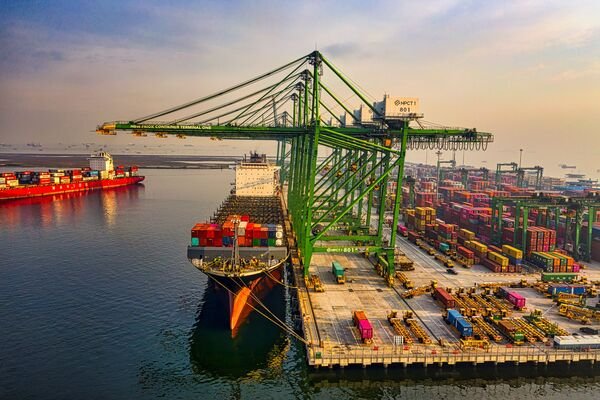


When importing products from China, many overseas buyers prefer a shipping arrangement that delivers goods directly to their warehouse, store or business address.
Instead of coordinating international freight, customs clearance and local delivery separately, they want one provider to manage the process.
DDP shipping is often considered for this reason.
But a quotation described as “DDP door-to-door” does not automatically eliminate every responsibility or risk for the importer.
Before accepting the offer, buyers should understand who will clear the goods through customs, who will pay duties and taxes, which company will act as the importer of record and what happens if unexpected costs or clearance problems arise.
1. What Does DDP Shipping from China Mean?
DDP stands for Delivered Duty Paid, one of the trade terms defined under the International Chamber of Commerce’s Incoterms rules.
Under DDP, the seller generally undertakes the transportation and delivery obligations to the agreed destination, including import clearance and applicable import duties and taxes.
The seller carries the risk until the goods are delivered at the agreed destination, ready for unloading, subject to the rule and sales contract.
However, the named destination and local customs requirements are essential.
For example, “DDP buyer’s warehouse, Hamburg, Germany, Incoterms 2020” is more specific than simply stating “DDP Germany.”
The International Chamber of Commerce provides the official framework in its Incoterms 2020 guidance.
2. DDP vs. DAP vs. FOB: What Is the Difference?
These terms allocate different responsibilities between seller and buyer.
| Item | FOB | DAP | DDP |
|---|---|---|---|
| Main international freight | Buyer | Seller | Seller |
| Export clearance | Seller | Seller | Seller |
| Import clearance | Buyer | Buyer | Seller |
| Import duties and taxes | Buyer | Buyer | Seller |
| Delivery to named inland destination | Not generally required of seller | Seller | Seller |
| Unloading at destination | Depends on contract | Generally buyer | Generally buyer |
FOB applies to sea and inland waterway transport, while DAP and DDP may be used across transport modes.
These comparisons summarize the rules and do not replace the full terms, particularly where contracts include additional obligations.
For importers, the most important distinction between DAP and DDP is normally the responsibility for import customs clearance and applicable duties and taxes.
3. What Should Be Included in a DDP Quote?
A properly scoped DDP quotation should be assessed against the agreed delivery place and the seller’s contractual obligations.
Relevant cost items may include:
- Factory pickup or origin transportation.
- Export customs formalities.
- International freight.
- Freight surcharges and handling.
- Destination customs clearance.
- Applicable import duties and taxes.
- Destination handling and inland delivery.
- Delivery to the named place.
The buyer should ask for written confirmation of the delivery address, goods covered and any commercial exclusions.
A quotation that says “DDP” but excludes mandatory import duties or leaves import clearance to the buyer requires clarification. Such an arrangement may not be consistent with the standard DDP rule unless the parties have expressly agreed to and documented a different allocation of obligations.
Also clarify whether unloading, special delivery equipment or appointment fees are included.
4. Who Is the Importer of Record?
The importer of record is a particularly important issue in DDP shipping.
The commercial rule that allocates costs to the seller does not, by itself, override the destination country’s customs legislation.
Depending on the country, there may be restrictions on which entities can act as importers, register for tax purposes or complete import declarations.
Example: Shipping to the United States
U.S. customs rules require appropriate importer identification and entry procedures.
The identity of the importer of record and the supporting customs information should be established before cargo departure.
U.S. Customs and Border Protection explains the identification requirements in its Importer Numbers guidance.
Importers and sellers should not assume that every overseas seller can automatically act as importer of record without checking the necessary legal and operational arrangements.
Example: Shipping to the European Union
DDP arrangements involving the EU may require careful consideration of customs representation, import VAT and local registration obligations.
The International Chamber of Commerce has documented that certain national regulatory requirements can make DDP difficult for nonresident sellers to execute.
Its guidance on national regulatory barriers to Incoterms 2020 highlights country-specific complications.
The correct arrangement should be checked for the actual EU member state and type of transaction.
The important principle: Paying for import clearance and being legally permitted to make an import declaration are not necessarily the same thing.
5. Common DDP Shipping Risks for Overseas Buyers
Unclear Customs Arrangements
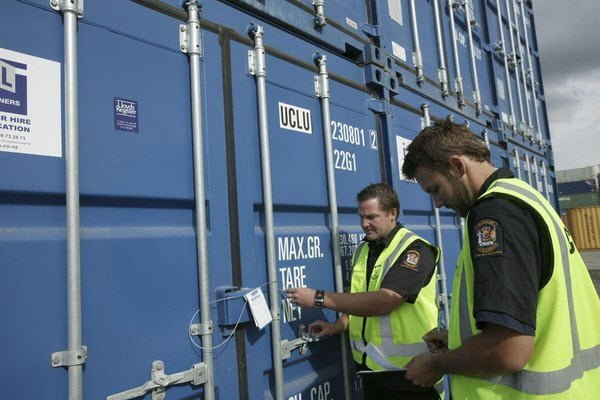
A buyer may receive a single shipping price without understanding which entity will file the import declaration.
Before booking, confirm the importer’s legal identity, customs broker and intended clearance procedure.
Incomplete Tax Arrangements
Confirm how the provider will calculate and pay import duties and applicable taxes.
Also determine who will hold the import documentation and whether the buyer needs those records for accounting, compliance or input-tax recovery purposes.
The treatment of import VAT or GST varies across jurisdictions.
Incorrect Product Classification
Duty rates and import restrictions may depend on the correct HS classification, origin and product description.
Inaccurate cargo information can lead to clearance problems, reassessment or other consequences.
Provide accurate product specifications and confirm that the responsible customs professional has reviewed the applicable classification requirements.
Unclear Delivery Scope
The word “door-to-door” can create unrealistic expectations.
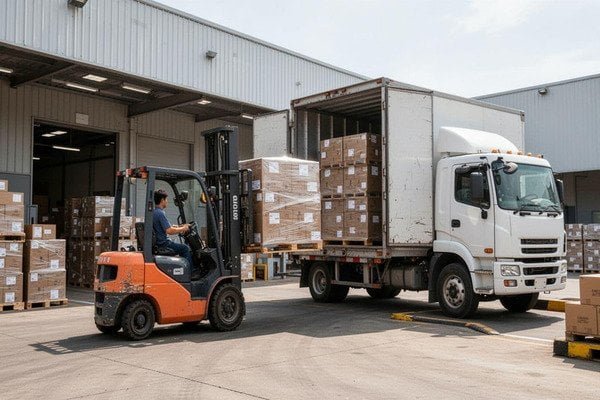
For commercial cargo, the buyer may need to arrange loading-dock access, a receiving appointment or unloading equipment.
Confirm what happens when the delivery truck arrives.
Limited Shipment Visibility
Ask for available tracking milestones, the expected arrival process and the contact responsible for handling exceptions.
A convenient quotation is less useful if the importer cannot obtain timely information about customs holds or delivery changes.
6. When DDP May Not Be the Best Option
DDP can be convenient, but it is not appropriate for every transaction.
When the Buyer Already Has a Customs Team
A large importer may have established customs brokers, duty management procedures and tax arrangements.
Using DAP or another suitable term may allow the buyer to retain direct control over import clearance while the seller arranges transportation.
When the Seller Cannot Meet Import Requirements
If the seller cannot legally or practically complete import clearance in the destination country, a standard DDP arrangement may be unsuitable.
The parties may need a different Incoterms rule and a clearly documented division of responsibilities.
When the Quote Is Not Transparent
A single price is not necessarily a problem. However, the buyer should still understand the delivery scope and how regulatory requirements will be satisfied.
Before selecting DDP, compare it with alternative arrangements using the same delivery address and cargo information.
When Special Cargo Requires Additional Coordination
Machinery, batteries, dangerous goods and regulated products can involve import permits, technical documentation or specialized unloading arrangements.
DDP does not remove the need to verify whether the goods can legally enter the destination market.
7. What Importers Should Check Before Accepting a DDP Quote
Use this checklist before confirming a shipment from China:
- Named place: Is the complete delivery address specified?
- Incoterms version: Does the contract refer to DDP under Incoterms 2020?
- Cargo information: Are product details, weight, dimensions and shipment value accurate?
- Importer of record: Which legally eligible entity will act as importer?
- Customs clearance: Who will submit the declaration and provide supporting documents?
- Duties and taxes: Who will calculate and pay the applicable amounts?
- Special requirements: Are permits, certificates or regulatory approvals needed?
- Delivery services: Are unloading and special receiving requirements included or excluded?
- Schedule: What transit-time assumptions and delivery arrangements apply?
- Exceptional costs: How will the parties handle changes, delays or costs outside the original quotation?
For shipments involving multiple Chinese suppliers, also confirm who will consolidate cargo and whether all suppliers can provide the required commercial documents.
8. How to Request a More Accurate DDP Quote from China
A useful quotation starts with complete information.
Provide the logistics provider with:
- Cargo origin and pickup address.
- Final delivery address, including postal code.
- Product description and HS code, if confirmed.
- Shipment value and country of origin.
- Number of packages.
- Weight, dimensions and total volume.
- Commercial invoice and packing list, where available.
- Cargo-ready date.
- Import permits or compliance documents, if applicable.
- Any special unloading or delivery requirements.
Accurate information makes it easier to evaluate transportation options, customs feasibility and possible additional charges.
Do not select a service solely because it offers the lowest price before confirming its customs and delivery arrangements.
Frequently Asked Questions
Does DDP mean the buyer pays no import duties?
Under the standard DDP rule, the seller is responsible for applicable import duties and taxes. However, buyers should confirm that the contract follows this rule and that import clearance can legally be completed as planned.
Is DDP shipping always door-to-door?
DDP requires delivery to the agreed named place, ready for unloading. A DDP contract should specify the destination clearly, but unloading or other special delivery services may require separate arrangements.
Can every Chinese supplier offer DDP shipping to any country?
No. The seller must be able to meet the destination country’s import clearance and tax requirements. Some countries impose restrictions or registration obligations that may make DDP impractical or unsuitable.
Conclusion
DDP shipping from China can simplify the purchasing and delivery process when the seller is able to manage the required transportation, import clearance and delivery obligations.
However, convenience should not replace proper due diligence.
Before accepting a DDP quotation, importers should confirm the legal importer, customs responsibilities, tax treatment, delivery scope and relevant documentation.
A clear shipping arrangement protects both sides of the transaction and helps prevent unexpected delays or disputes.
Looking for a Shipping Solution from China?
Deeplinker helps international buyers evaluate freight arrangements based on their cargo, destination and delivery requirements.
Share your shipment information and destination with our team to discuss suitable transport options and the customs-related questions that should be resolved before booking.