
Purchasing industrial machinery from China involves more than selecting a manufacturer and arranging an ocean freight booking.
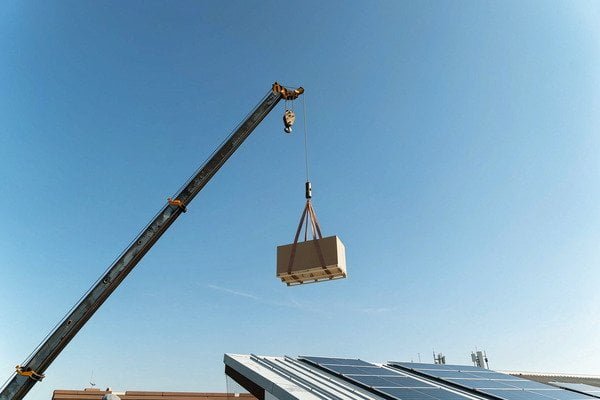
Unlike standard boxed products, machinery may require lifting equipment, specialized trailers, reinforced packaging, customized cargo securing or special handling at the destination.
A machine might fit inside a shipping container but still be difficult to load through the container doors. Another piece of equipment may be suitable for ocean transportation but require a crane or heavy-duty forklift at the delivery site.
These are not problems that should be discovered after a truck arrives at the factory.
For international buyers, successful machinery shipping begins with understanding the equipment’s physical characteristics and planning the entire journey from the Chinese factory to the final delivery location.
1. Why Machinery Shipping Needs an End-to-End Plan
Industrial machinery shipments often involve multiple parties:
- The Chinese manufacturer.
- The pickup trucking company.
- The factory loading team.
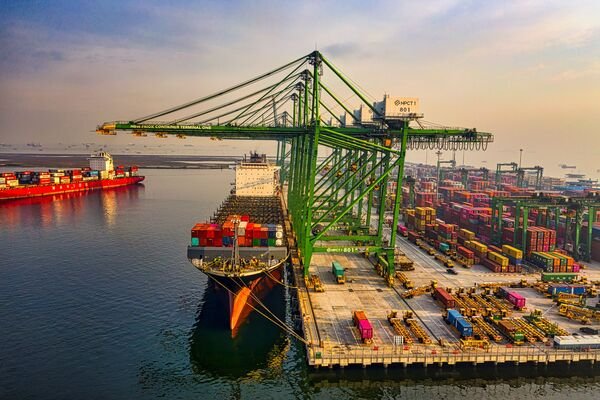
- The freight forwarder and ocean carrier.
- Terminal and customs service providers.
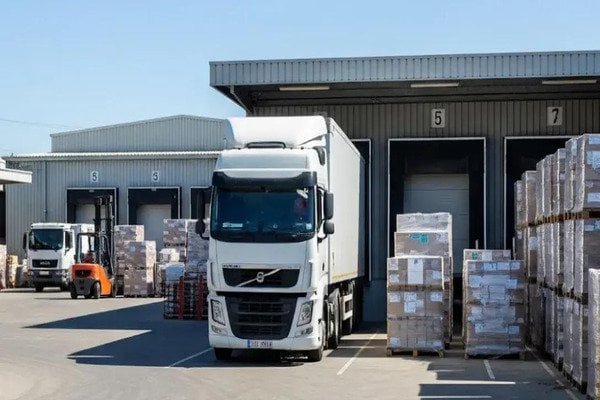
- The destination trucking and unloading teams.
Each party needs accurate information about the machine.
For example, a shipping company may confirm that a piece of machinery meets a container’s weight limit. But this alone does not establish that the machine can be loaded safely, secured correctly or delivered to the customer’s facility.
The loading method, weight distribution, transportation route and unloading arrangements must be considered together.
A successful machinery shipment is not simply one that fits on a vessel. It is one that can be safely collected, transported and delivered.
2. What to Confirm with the Chinese Manufacturer
Before requesting a freight quote, obtain the following details from the manufacturer.
Machine Dimensions and Weight
Ask for:
- Overall length, width and height.
- Gross shipping weight, including packaging.
- Weight and dimensions of detachable parts.
- Center-of-gravity information where required.
- Lifting points and lifting instructions.
- Packing drawings or technical sketches, where available.
Do not rely entirely on a product brochure. The shipping dimensions may differ from the equipment’s operating dimensions.
Factory Pickup Conditions
Confirm whether the factory has:
- Suitable loading space for trucks or containers.
- Overhead cranes, forklifts or other lifting equipment.
- Trained loading personnel.
- A loading platform or designated loading area.
- Sufficient access for the proposed vehicle.
Ask whether the factory will load the machine and who will be responsible for the loading operation.
If lifting equipment is unavailable, it may need to be arranged separately.
Packaging and Transport Preparation
The manufacturer should clarify whether the machine will be shipped assembled or partially dismantled.
Important questions include whether moving components are secured, sensitive parts are protected and exposed surfaces require corrosion protection.
For equipment shipped in wooden cases or on heavy-duty skids, the strength and suitability of the packaging should be confirmed before pickup.
3. Choosing the Right Transportation Equipment
Machinery can be shipped by different transport methods depending on dimensions, weight, handling requirements and route availability.
| Transport option | Suitable circumstances | Main considerations |
|---|---|---|
| Standard container | Machinery fitting within internal dimensions and payload limits | Door opening, floor loading, weight distribution and securing |
| Open-top container | Cargo requiring top loading or permitted overheight movement | Crane access, lifting plan, special handling and approvals |
| Flat rack | Oversized or unusually shaped cargo unsuitable for enclosed containers | Out-of-gauge dimensions, lashing, route restrictions and lifting |
| Breakbulk | Certain large or heavy units handled individually | Lifting arrangements, vessel availability and terminal capabilities |
| RoRo | Suitable wheeled or self-propelled equipment | Cargo acceptance, operational condition and route availability |
The lowest quoted ocean rate is not always the lowest-cost transportation solution.
A standard container may be economical if the machinery can be loaded and secured safely. But forcing unsuitable equipment into a standard container can create operational risks and costly rework.
Why Door Dimensions Matter
A machine may be narrower than the internal width of a container but still be too wide to pass through the door opening.
The height of the entrance, loading angle and available handling equipment also matter.
Before deciding on a standard container, confirm the actual loading envelope—not only the internal dimensions.
4. Planning Factory Pickup and Loading
Factory pickup is one of the most important stages of machinery transportation.
Select a Suitable Vehicle
The inland transport vehicle must be selected according to cargo dimensions, weight, loading method and road regulations.
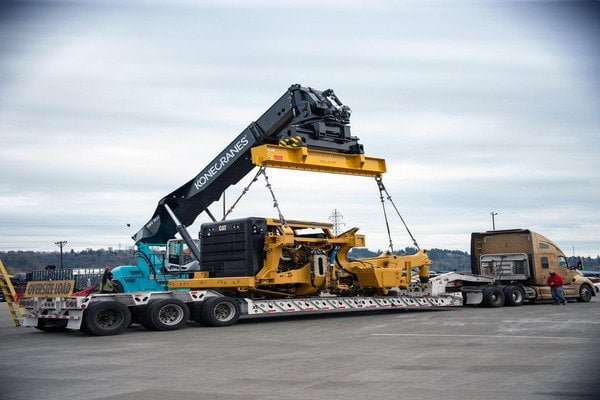
A standard flatbed truck may be sufficient for some equipment. Oversized or unusually heavy machines may require a low-bed trailer, multi-axle transport or specialized permits.
Confirm Loading Responsibilities
The pickup plan should specify:
- Who prepares the machine.
- Who supplies the crane or forklift.
- Who performs the lifting operation.
- Who provides and installs the securing materials.
- Who checks the loaded condition before departure.
Written agreement reduces confusion between the factory, trucking provider and freight forwarder.
Prepare a Loading Plan
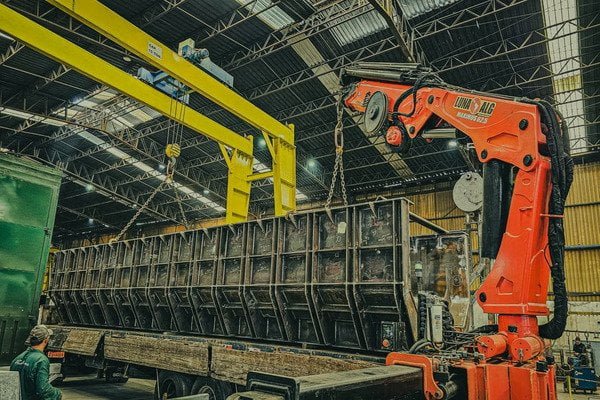
Heavy or irregularly shaped machinery should have an appropriate handling and securing plan.
Depending on the cargo, this may include lifting drawings, floor-load assessment, weight-distribution calculations, blocking arrangements and lashing details.
The International Maritime Organization’s CTU Code provides internationally recognized guidance on packing and securing cargo transport units.
5. Packaging, Cargo Securing and Protection
Machinery may experience vibration, movement, moisture exposure and repeated handling during international transportation.
Packaging should be designed around the actual equipment and route.
Protect Sensitive Components
Electrical cabinets, control panels, hydraulic systems, glass components and precision parts may need additional protection.
Where appropriate, manufacturers should consider moisture barriers, corrosion protection, cushioning and secure fastening of moving parts.
Prevent Cargo Movement
Cargo securing must account for the machine’s weight, center of gravity, shape and transport conditions.
Possible securing arrangements include blocking, bracing, lashing and purpose-built support structures.
These must be properly designed and rated for the cargo; improvised or inadequate securing can lead to major damage.
The IMO also explains the safety risks associated with improper stowage and securing in its cargo securing guidance.
Check Wooden Packaging Requirements
Wooden pallets, cases and supports used in international transport may be subject to phytosanitary requirements, including ISPM 15 where applicable.
Confirm destination requirements and whether the packaging manufacturer can provide compliant materials and markings.
6. Export Documentation and Customs Preparation
Industrial machinery shipments commonly require a commercial invoice, packing list and the applicable transport document.
Depending on the equipment and destination, further information or documentation may be needed.
Confirm:
- Accurate commercial description.
- HS classification.
- Country of origin.
- Machine model and serial number, where relevant.
- Net and gross weights.
- Packing method and package count.
- Any applicable export or import licensing requirements.
- Documents required by the destination buyer or customs broker.
Used machinery, equipment containing batteries and certain regulated products may need additional checks.
Do not assume that all machines in the same broad product category share identical customs requirements.
7. Planning Overseas Delivery Before Departure
It is easy to focus on shipping the machine out of China and overlook the challenges at the destination.
However, a successful ocean shipment can still face significant costs if the receiving site cannot unload the equipment.
Destination Trucking
Before shipment, confirm:
- Final delivery address.
- Road access and vehicle restrictions.
- Height, width and weight limitations.
- Whether permits or escorts may be required.
- Site opening hours and receiving arrangements.
Unloading Equipment
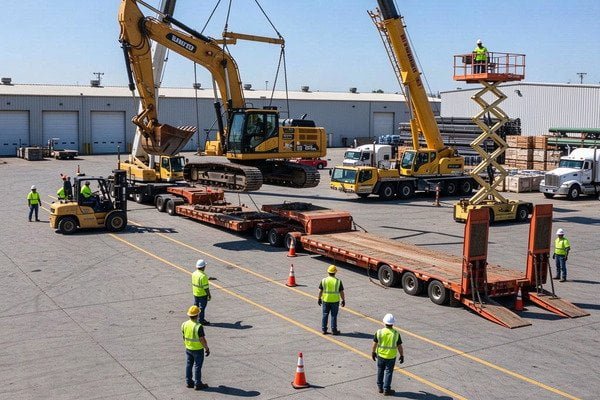
Ask whether the consignee has a suitable forklift, mobile crane or other equipment.
The unloading method should be agreed upon before the cargo arrives.
Delivery to the Final Installation Site
A machine may need to travel through a factory gate, warehouse entrance or indoor production area after arriving by truck.
Make sure internal access dimensions, floor capacity and installation requirements are considered.
Port delivery is not the same as successful delivery to the final operating location.
8. Common Mistakes That Cause Extra Costs
The most frequent planning mistakes include:
- Using machine operating dimensions instead of packed dimensions.
- Failing to confirm the container door opening.
- Assuming the factory can provide loading equipment.
- Not checking the center of gravity.
- Underestimating the space required for safe lifting.
- Failing to arrange proper securing.
- Booking destination trucking without confirming road access.
- Leaving destination unloading arrangements until the cargo arrives.
These mistakes can result in additional handling, truck waiting time, equipment changes, schedule delays or cargo damage.
9. Machinery Shipping Checklist Before Requesting a Quote
To obtain a practical quotation, prepare:
- Pickup address and factory contact.
- Destination port and final delivery address.
- Machine name, model and intended use.
- Packed and unpacked dimensions.
- Gross weight and center of gravity, where needed.
- Photos or technical drawings.
- Lifting points and available loading equipment.
- Packaging requirements.
- Cargo-ready date.
- Required delivery schedule.
- Any special restrictions or applicable permits.
This information helps a freight forwarder determine whether the shipment is suitable for a standard container, specialized equipment or another transportation arrangement.
Frequently Asked Questions
Can heavy machinery be shipped in a standard container?
Yes, if it fits within the container’s dimensional, payload, structural and handling limits and can be safely secured. Weight and external dimensions alone are not sufficient to confirm suitability.
Who arranges the crane at the Chinese factory?
It depends on the commercial agreement and service scope. The manufacturer, buyer or logistics provider may coordinate the lifting arrangement. Confirm responsibility before scheduling pickup.
Is flat rack shipping always required for oversized machinery?
No. Open-top containers, breakbulk transport or other suitable equipment may be available depending on the cargo and route. The correct choice requires a technical assessment.
Conclusion
Shipping machinery from China requires coordination between the manufacturer, inland transport providers, lifting teams, freight forwarders and destination operators.
The most effective approach is to confirm the cargo dimensions, weight, loading method, securing requirements and delivery conditions before booking transportation.
Planning these details early can reduce avoidable handling problems, delays and unexpected costs.
Planning an Industrial Equipment Shipment from China?
Whether you are shipping manufacturing equipment, construction machinery or industrial components, Deeplinker can help evaluate transportation requirements and available freight arrangements.
Send us your equipment dimensions, weight, pickup location and destination to discuss a suitable shipping plan.