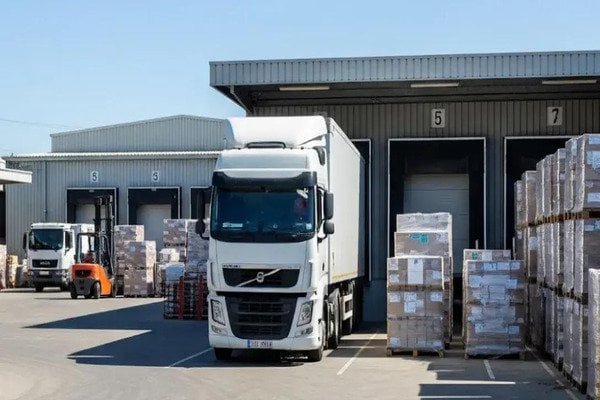

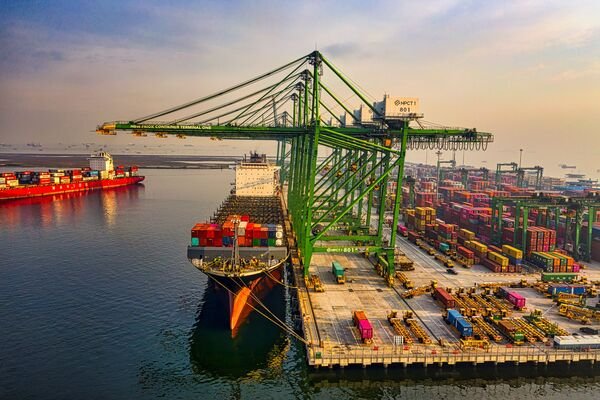
A shipment leaves a Singapore warehouse and arrives at a European port. Its invoice names a Singapore trading company as the seller. Meanwhile, the bill of lading lists Singapore as the loading port.
Does this make the goods Singapore-origin? Not necessarily.
A factory in China may have made the goods. They may then pass through Singapore without further manufacturing.
For importers, country of origin and country of shipment mean different things. Confusing them can cause customs errors, unexpected duties, and clearance delays.
This guide explains the difference and shows you what to check before shipping.
1. Country of Origin vs. Country of Shipment
The country of origin identifies where goods originate under the relevant customs rules. These rules may consider where producers obtain materials or carry out qualifying manufacturing.
By contrast, the country of shipment generally identifies where the goods start their journey to the destination. Customs authorities may also use terms such as country of dispatch, exportation, or consignment.
However, these terms do not always mean the same thing. Always follow the destination authority’s definitions.
| Factor | Country of origin | Country of shipment |
|---|---|---|
| Main purpose | Identifies the goods’ economic origin | Identifies the dispatch location |
| Basis | Origin rules and production history | Shipping and dispatch arrangements |
| Effect of simple transit | Usually does not change origin | May change the shipment country |
| Role in customs duties | Often affects tariff treatment | May matter for specific measures |
| Supporting records | Production records and origin evidence | Transport and dispatch records |
The World Customs Organization distinguishes origin from the country that exports the goods.
Example: Chinese Goods Shipped from Singapore
Consider this example:
- A Chinese factory makes industrial components.
- A logistics company moves them to a Singapore warehouse.
- A Singapore trader sells them to a German importer.
- Finally, the components travel to Germany without further manufacturing.
Singapore may appear as the dispatch country. However, China may remain the non-preferential origin if the applicable rules support that conclusion.
The seller’s Singapore address does not establish the goods’ origin.
2. Why Origin Matters for Customs Duties
Product classification and shipment value help determine customs duties. However, origin can also affect the measures that apply.
Depending on the destination and product, origin may influence:
- Standard or preferential duty treatment.
- Anti-dumping and countervailing duties.
- Safeguard measures and import quotas.
- Trade restrictions and certain sanctions.
- Origin marking requirements.
The European Commission’s non-preferential origin guidance explains several of these uses.
Can a Different Shipping Route Reduce Duties?
Routing goods through another country does not automatically change their origin.
For example, a trader may ship goods from Country A through Country B. That route alone does not make them products of Country B.
Instead, importers must apply the relevant origin rules. A new shipping route does not, by itself, create a new origin.
3. How Customs Rules Determine Origin
Countries do not apply one universal origin rule to every product. Therefore, importers must identify the rules that apply to their goods.
First, distinguish non-preferential origin from preferential origin.
Non-Preferential Origin
Non-preferential origin supports trade measures, marking rules, and other customs requirements. Two common concepts help explain it:
- Wholly obtained goods: Goods that originate entirely in one country under the relevant rules.
- Substantial transformation: Qualifying production that determines origin when manufacturing involves several countries.
However, the destination’s laws and product rules determine the exact test.
For example, EU rules consider the last substantial, economically justified processing or working. Simple repacking, labeling, and sorting normally do not establish a new origin under that framework.
Preferential Origin
Preferential origin determines eligibility for reduced or zero duties under a specific trade arrangement.
A product may meet non-preferential origin rules yet fail a trade agreement’s preferential rules. As a result, one origin statement may not cover every customs purpose.
Preferential rules may include:
- A change in tariff classification.
- A minimum regional value content.
- Specific manufacturing operations.
- Limits on non-originating materials.
- Transport and non-alteration conditions.
See the European Commission’s preferential origin guidance for more detail.
Before claiming a benefit, check the agreement and the product’s specific rule.
4. Does Transshipment Change Origin?
International cargo often passes through logistics hubs before reaching its destination. For example, goods may travel through Singapore, Malaysia, the UAE, or the Netherlands.
Transshipment usually involves transferring cargo between vessels, terminals, warehouses, or transport services. It does not necessarily involve manufacturing.
Example: China to Europe Through a Logistics Hub
An importer buys equipment from a Chinese factory. The shipment follows this route:
China → Third-country logistics hub → European Union
At the hub, workers unload the equipment and place it in storage. Later, they load it onto another vessel.
Without qualifying production, this handling normally does not create a new non-preferential origin. However, the importer should keep records that identify the goods and show their route.
Check Conditions for Preferential Tariffs
Some trade arrangements impose direct transport, direct consignment, or non-alteration conditions. Therefore, importers must check what happens during transit through another country.
The exact requirements vary by agreement. Keep transport documents, warehouse records, and evidence of customs supervision where necessary.
The EU’s preferential origin guidance provides further information.
Goods can retain their origin but fail an agreement’s transport conditions. In that case, they may not qualify for the preferential tariff.
5. Five Common Origin Documentation Mistakes
Many customs problems start with inconsistent information in trade documents. Check for these five mistakes before shipping.
Using the Seller’s Country as the Origin
A Hong Kong trader may sell goods that a factory makes elsewhere. Therefore, check the production history separately from the seller’s address.
Treating the Loading Port as the Origin
A bill of lading may list Singapore as the loading port for Chinese goods. That detail describes transport; it does not establish origin on its own.
Assuming Repacking Changes Origin
A supplier may move goods abroad for repacking or relabeling. Before declaring a new origin, check whether those operations meet the applicable rules.
Otherwise, the declaration may lack sufficient support.
Claiming Preferential Duties Without Valid Proof
A supplier’s claim that goods qualify under an FTA may not be enough. Importers must obtain the proof that the agreement requires.
Different agreements accept different forms of evidence. The European Commission’s proof of origin guidance explains several options.
Overlooking Manufacturing Records
Several factories may supply materials or components for one product. As a result, importers may need production details, material origins, and supplier declarations.
A certificate or invoice statement alone may not provide enough evidence in every case.
6. How to Verify Origin Before Shipping
Resolve origin questions before goods leave the supplier. Use these five steps to guide your review.
Step 1: Confirm the Product Classification
Identify the correct HS classification for the destination market. Product-specific origin rules may depend on that classification.
Step 2: Review the Manufacturing Process
Ask where the manufacturer makes the goods. Also, identify the significant production operations in each country.
Step 3: Identify the Applicable Rules
Check whether you need non-preferential origin, preferential origin, or both. Then review the relevant product rules.
Step 4: Check Supporting Documents
Collect the evidence that the transaction requires. This may include invoices, production records, supplier declarations, origin proofs, and transport documents.
Step 5: Review the Customs Information
Give your customs broker accurate information. Explain any differences between the origin country, seller’s location, and dispatch country.
For complex or high-value transactions, consult a qualified customs specialist. Alternatively, seek a formal origin determination where the customs authority offers one.
7. What to Tell Your Freight Forwarder
Freight forwarders coordinate transport and documentation. However, a pickup address alone does not give them enough information to determine legal origin.
To help them prepare the shipment, provide:
- Accurate product descriptions and confirmed HS codes.
- Manufacturer and production-country details.
- Seller and buyer information.
- Dispatch country and planned shipping route.
- The commercial invoice and packing list.
- Supporting origin documents where necessary.
- Details of third-country storage or consolidation.
- Information about any preferential tariff claim.
This information matters especially when several suppliers or trading companies handle the goods. Clear records help logistics and customs teams spot inconsistencies before clearance.
Frequently Asked Questions
Is Origin Always the Same as the Shipment Country?
No. A factory may make goods in one country and ship them from another. Origin follows the applicable origin rules. In contrast, shipment information describes dispatch under the relevant customs definition.
Can Repacking or Relabeling Change Origin?
Generally, simple repacking or relabeling does not establish a new origin under many customs frameworks. However, the importing country’s rules determine the result.
Does Transshipment Affect Preferential Tariffs?
It can. Some arrangements impose transport or non-alteration conditions. Goods may retain their origin but fail those conditions, which can prevent a preferential duty claim.
Does Every Shipment Need a Certificate of Origin?
No. Requirements depend on the destination, product, trade measure, and any preferential claim. Some cases require an origin statement or other evidence instead.
Conclusion: Verify Origin Before Dispatch
Country of origin and country of shipment may identify different countries in the same transaction. This often happens when goods pass through trading companies, warehouses, or logistics hubs.
Before importing, check the production history and the relevant customs rules. Then confirm that your commercial and shipping documents support the declaration.
Accurate origin information helps reduce customs disputes, unexpected duties, and avoidable clearance delays.
Shipping Goods Across Several Countries?
Multiple suppliers and transit hubs can make shipment planning more complex. Accurate cargo information and coordinated documents help keep the process clear.
Deeplinker helps international businesses evaluate freight routes and coordinate shipment requirements across global supply chains.
Contact Deeplinker to discuss your shipment.
References
- World Customs Organization — Rules of Origin
- World Trade Organization — Agreement on Rules of Origin
- European Commission — Non-Preferential Rules of Origin
- European Commission — Preferential Rules of Origin
- European Commission — Proof of Origin
- Singapore Customs — Rules of Origin Overview
This article provides general trade and logistics information. Check origin determinations and customs requirements against the importing country’s applicable rules.