
Shipping dangerous goods from China feels like a minefield. A single error can get your cargo stuck, costing you time and money. But understanding the process is key.
To ship dangerous goods from China, you need more than just global rules. You must also follow China's specific requirements, like providing a Chinese MSDS and correctly classifying your cargo. These extra steps are crucial for avoiding port delays and fines.
I remember my first time dealing with a DG shipment that got flagged. It was a nightmare of paperwork and phone calls. It taught me that knowing the basics isn't enough; you have to know the local basics. The global rules are the foundation, but China builds its own house on top. Let's start with that foundation.
IMDG 42-24 rules: the global baseline?
You've followed the IMDG Code, so you think you're safe. But this is only the starting point for shipping from China, not the finish line.
Yes, the IMDG Code is the global baseline. It standardizes the classification, packaging, and handling of dangerous goods for sea transport worldwide1. Every country, including China, uses it as the foundation for their own regulations, making it essential but not always sufficient.
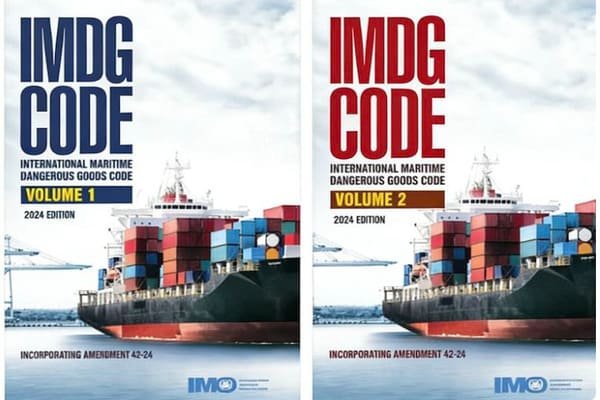
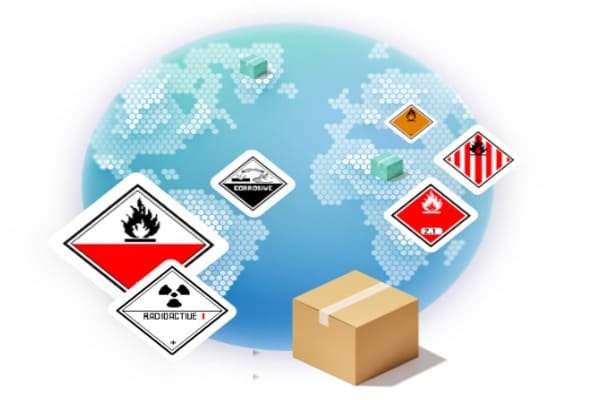
The International Maritime Dangerous Goods (IMDG) Code is the rulebook for shipping hazardous materials by sea.2 Think of it as a universal language that everyone in shipping must speak. It's updated every two years, and the current version is 42-243. Its main job is to keep people, property, and the environment safe. The code breaks down dangerous goods into nine hazard classes.4 It also tells you exactly how to package them and what labels and placards to use. For example, a simple mistake in labeling can cause a huge problem. I once saw a shipment of flammable liquids get rejected because the label was placed on the wrong side of the box. It seems small, but the port authorities are very strict. The IMDG code provides the minimum requirements that everyone must follow.
| IMDG Component | Purpose | Example |
|---|---|---|
| Classification | Divides DG into 9 classes based on risk. | Class 3: Flammable Liquids (e.g., paint) |
| Packing Groups | Indicates the degree of danger (I, II, III). | PG I: High Danger, PG III: Low Danger |
| Labeling/Placarding | Communicates the hazard visually. | A red diamond label for flammability. |
China’s extra requirements: 2026 Hazardous Chemicals Safety Law?
You feel confident with your IMDG knowledge. But China's local laws, especially the upcoming 2026 changes, add new hurdles that can stop your shipment cold.
China requires more than just IMDG compliance. The upcoming 2026 Hazardous Chemicals Safety Law will tighten rules further. You already need a Chinese-language MSDS and must navigate specific port declarations5. These local rules are the most common source of delays for foreign shippers.
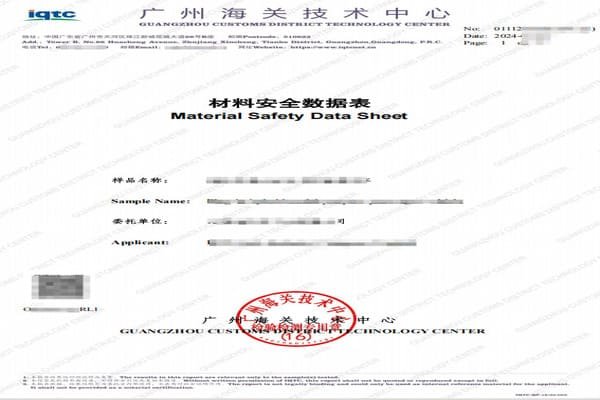
This is where things get tricky. While the IMDG code is the global standard, many countries add their own rules. China is a prime example. For years, we've had to provide specific documents that aren't required elsewhere. The most important one is the Material Safety Data Sheet (MSDS), which must be in Chinese.6 An English-only MSDS will be rejected immediately. I had a client from Germany who was certain their paperwork was perfect. But their cargo was held for two weeks because the MSDS was only in English and German. We had to rush to get a compliant Chinese version made. The new 2026 Hazardous Chemicals Safety Law7 is expected to make things even stricter. It will likely expand the list of controlled chemicals and increase penalties for non-compliance. This means staying up-to-date isn't just good practice; it's essential for avoiding serious financial and logistical problems.
Top 3 mistakes: wrong UN, missing docs, outdated MSDS?
You're preparing your DG shipment and everything seems fine. But a few common, simple mistakes can cause your cargo to be rejected, returned, or heavily fined.
Yes, the top three mistakes are using the wrong UN number, missing key documents like the Chinese MSDS, and using an outdated MSDS. These errors are the leading causes of DG shipment rejections at Chinese ports and can lead to significant delays and costs.
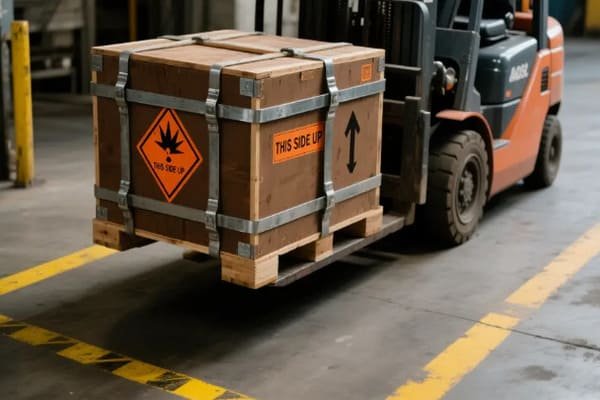
I've seen these same mistakes happen over and over again. They seem small, but the consequences are huge. The most common is using the wrong UN number. The UN number is a four-digit code that identifies a specific hazardous substance.8 Some products, like batteries, have multiple UN numbers depending on their type and how they are packed. Using the wrong one is like giving the wrong address for your cargo's identity. Another big one is missing documentation. In China, you absolutely need a valid Chinese MSDS. You also need a dangerous goods packing certificate9. Without these, your container won't even be allowed into the port. Finally, people often use an outdated MSDS. Regulations change, and your product's formula might change too. Your MSDS must reflect the current state of both. An MSDS from three years ago is often a red flag for customs.
| Common Mistake | Why It's a Problem | Consequence |
|---|---|---|
| Wrong UN Number | Misidentifies the hazard. | Cargo rejection, fines, re-declaration. |
| Missing Documents | Fails to meet local requirements. | Port entry denied, shipment held. |
| Outdated MSDS | Information is not current or accurate. | Fails inspection, forced return of cargo. |
Conclusion
China's DG rules are complex. Instead of risking delays and fines, partner with an expert who handles them daily. We ensure your cargo gets on board, compliant and safe.
IMDG Code — Classification (IMO) of Dangerous Goods — overview of the international framework for maritime DG transport — *Across Logistics*: https://acrosslogistics.com/blog/en/code-imdg-classification-imo-of-dangerous-goods ↩
IMDG Code — the International Maritime Dangerous Goods Code, the IMO standard for transporting hazardous materials by sea — *Wikipedia*: https://en.wikipedia.org/wiki/IMDG_Code ↩
IMDG Code Amendment 42-24 (2-Volume Set) — the current edition of the maritime dangerous goods regulations — *Labelmaster*: https://www.labelmaster.com/shop/regulatory-publications/maritime-transport/imdg-code-amendment-42-24-2-volume-set-english-imo0066 ↩
Dangerous goods — the international system of nine hazard classes used to categorize hazardous materials — *Wikipedia*: https://en.wikipedia.org/wiki/Dangerous_goods ↩
China: New Regulations on Dangerous Goods — summary of China's port declaration and DG handling rules — *Safety4Sea*: https://safety4sea.com/china-new-regulations-on-dangerous-goods-starting-march/ ↩
Safety data sheet (SDS/MSDS) — a document listing the properties, hazards, and safe handling of a chemical substance — *Wikipedia*: https://en.wikipedia.org/wiki/Safety_data_sheet ↩
Hazardous Chemicals Safety Law of the People's Republic of China — official analysis of key regulatory changes — *CIRS Group*: http://www.cirs-group.com/en/chemicals/hazardous-chemicals-safety-law-of-the-peoples-republic-of-china-officially-released-key-changes-to-watch ↩
UN number — a four-digit code assigned by the United Nations to identify hazardous substances in international transport — *Wikipedia*: https://en.wikipedia.org/wiki/UN_number ↩
Dangerous Goods Packing Certificate Requirements — regulatory database entry on DG documentation — *ChemRadar*: https://www.chemradar.com/rsdb/news/dk62v68qpxj4 ↩