
Shipping dangerous goods feels like walking a tightrope. One wrong step can lead to disaster, costing you money and your reputation. But with the right procedures, you can ship safely.
To ensure tank container safety for dangerous goods, you must follow strict procedures at every step1. This includes thorough pre-loading inspections, precise control over filling ratios and weight, compliant documentation, and perfectly coordinated multimodal transport. Each stage is critical for reducing risk and ensuring compliance.

I've been in this business for over 20 years, and I've seen how easily things can go wrong with dangerous goods.2 But I've also seen how a methodical, safety-first approach turns a high-risk shipment into a routine operation. It’s all about having a clear, step-by-step process that leaves no room for error. Let's break down exactly what that process looks like, so you can feel confident in your next DG shipment.
What Must Be Inspected Before Loading Dangerous Goods into a Tank Container?
Loading your valuable chemical cargo into an unchecked tank is a huge gamble. A tiny, unseen flaw could cause a leak, leading to environmental damage, huge fines, and a damaged reputation.
Before loading, the tank container must pass a comprehensive inspection3. This includes checking the tank's structural integrity for damage, ensuring all valves and gaskets are functional, confirming cleanliness from previous cargo, and verifying that all safety markings and placards are correct and visible.
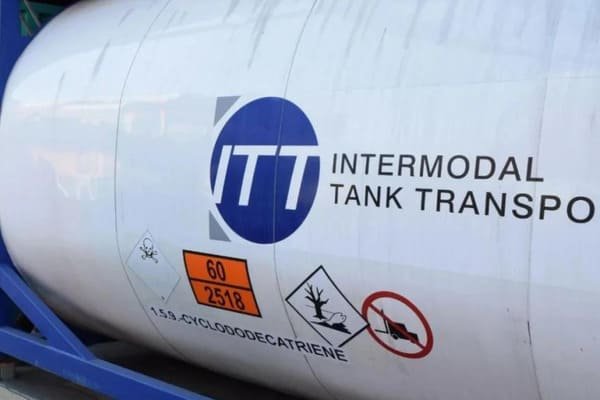
When we handle a dangerous goods shipment, the pre-loading inspection is a non-negotiable step. I once had a client whose previous forwarder skipped a detailed check, only for a faulty bottom valve to cause a slow leak during transit. The cleanup and fines were enormous. That's why our team follows a strict checklist to prevent such incidents. It’s about being proactive, not reactive. The inspection confirms the tank isn't just a container, but a secure vessel fit for its specific, hazardous contents.
Key Inspection Points
We break the inspection down into several critical areas. Each one addresses a different potential risk.
| Inspection Area | Key Checks | Why It's Critical |
|---|---|---|
| Structural Integrity | Check for dents, corrosion, cracks, or damage to the frame and shell. | A compromised structure can fail under pressure or during transport, leading to a catastrophic spill. |
| Valves & Gaskets | Test top, bottom, and airline valves for smooth operation and tight seals. Inspect all gaskets for wear or damage. | Faulty valves are a primary cause of leaks. Worn gaskets will not provide a secure seal, especially under pressure changes. |
| Interior Cleanliness | Verify the tank is clean, dry, and completely free from any residue of previous cargo. | Cross-contamination can cause a dangerous chemical reaction, degrade the product, or create hazardous byproducts. |
| Safety Equipment | Confirm the pressure relief valve and rupture disc are correctly set and certified. Check grounding connections. | These are the tank's last line of defense against over-pressurization. Proper grounding prevents static discharge, a major ignition risk. |
| Markings & Placards | Ensure correct UN numbers, DG class placards, and other required markings are present and clearly visible. | Correct markings are legally required and inform everyone in the supply chain—from port workers to emergency responders—about the hazards. |
This detailed process ensures the tank is 100% ready for its job.
What Are the Filling Ratio, Weight Limits, and Transport Restrictions for ISO Tank DG Cargo?
Overfilling a tank seems like a simple mistake, but it's one with severe consequences. The liquid needs room to expand with temperature changes, and ignoring that can lead to a rupture.
The filling ratio, or ullage, for dangerous goods in an ISO tank is typically between 80% and 95%4. This leaves enough empty space to prevent over-pressurization from thermal expansion. Additionally, the total weight must comply with both the tank's payload capacity and the road/rail limits of all transit countries.
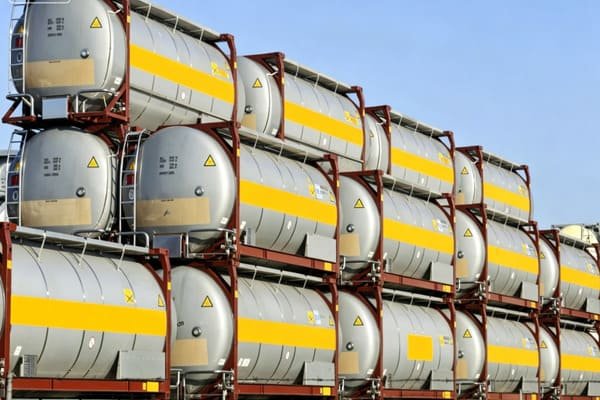
Understanding these limits is fundamental to safety and compliance. We always calculate the maximum filling level based on the specific chemical's properties and the expected transit conditions. It’s not just about avoiding a spill; it's also about avoiding hefty fines for being overweight on a highway in Germany or a railway in the US. Each country has its own rules, and you have to plan for the entire journey.
Understanding Ullage and Weight
These two factors, ullage and weight, are governed by international regulations like the IMDG Code but also by local infrastructure laws.5 Managing them requires careful planning.
The Importance of Ullage
Ullage is the empty space left at the top of the tank after filling.6 Liquids expand when they get hot, and this space gives them room to do so without building up dangerous pressure.
| Filling Ratio | Risk Level | Consequence |
|---|---|---|
| < 80% | Low | Inefficient use of space and potential for excessive liquid movement (sloshing), but generally safe from over-pressure. |
| 80% - 95% | Optimal | The safe, compliant range. It provides adequate ullage for most DG cargo under normal transit conditions. |
| > 95% | High | Not enough room for expansion. This can cause a pressure build-up leading to leaks or even tank rupture. |
The exact percentage depends on the coefficient of expansion7 of the specific liquid being transported.
Navigating Weight Restrictions
Weight is just as critical. Every tank has a Maximum Gross Weight (MGW) printed on its data plate, which you can never exceed. But that's only half the story. You also have to consider the weight limits for roads, bridges, and railways in every country your shipment will pass through. A shipment that is legal in China might be overweight for a truck in the United States or a specific region in Europe. At DeepLinker, we maintain a database of these restrictions to plan the entire multimodal route compliantly from the start, avoiding costly delays and re-routing.
How Does Integrated Booking, Documentation, and Transport Coordination Work for Tank DG Shipments?
Juggling separate bookings, endless paperwork, and multiple transport providers for a DG shipment is a logistical nightmare. One missed connection or a single incorrect document can halt your cargo indefinitely.
Integrated coordination means a single, expert partner like DeepLinker manages the entire process. We handle booking the correct ISO tank, preparing all required DG documentation, and synchronizing the sea, road, and rail transport legs to ensure a seamless and compliant journey from origin to destination.
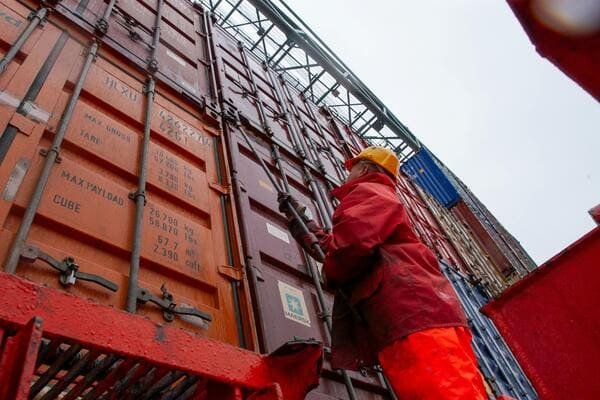
I believe a fragmented approach is the biggest source of risk in DG shipping. When the factory, trucking company, and ocean carrier don't communicate well, crucial information gets lost. We solve this by acting as the central command center for the entire shipment. From the moment you place an order, we map out every step. This involves securing the right equipment, preparing flawless paperwork, and making sure every handover between truck, port, and vessel is perfectly timed. This unified management turns a complex, high-risk process into a smooth, predictable operation for our clients.
The Documentation and Transport Symphony
A successful DG shipment is like a well-conducted symphony, with documents and transport modes playing in perfect harmony.
The Critical Documentation Trail
Incorrect or incomplete paperwork is the number one reason for DG shipment delays. We ensure every document is prepared perfectly and submitted on time.
- Material Safety Data Sheet (MSDS): This is the foundation. It provides all the chemical's properties and handling information.8
- Dangerous Goods Declaration (DGD): A formal declaration to the carrier and authorities that the shipment contains dangerous goods, specifying the UN number, class, and packing group.
- Container Packing Certificate: A signed certificate confirming the container was packed correctly according to IMDG regulations.
- Bill of Lading (B/L): Must accurately reflect the DG information listed on the DGD.9
Synchronizing Multimodal Transport
Coordinating the physical movement is the other half of the challenge. Dangerous goods often have restrictions on how long they can stay at a port terminal10, so timing is everything. Our process involves pre-booking truck capacity for pickup and final delivery to align perfectly with the vessel's arrival and departure. We track the shipment in real-time, anticipating potential delays at sea or in customs and adjusting the land-side logistics accordingly. This proactive coordination prevents demurrage costs and ensures the cargo keeps moving, minimizing risk and maximizing efficiency for our customers.
Conclusion
Safe DG tank transport is built on strict inspections, precise filling, and integrated coordination. Following these steps ensures compliance and protects your cargo, your people, and your brand's reputation.
How to Package Hazardous Materials for Shipping — official guidance on safe packaging of dangerous goods — *U.S. Federal Aviation Administration (FAA)*: https://www.faa.gov/hazmat/safecargo/how_to_ship/package_for_shipping ↩
Dangerous goods — solids, liquids, or gases that can harm people, property, or the environment during transport — *Wikipedia*: https://en.wikipedia.org/wiki/Dangerous_goods ↩
49 CFR Part 180 Subpart G — Qualification and Maintenance of Tank Cars / continuing inspection requirements for tanks — *Electronic Code of Federal Regulations (eCFR)*: https://www.ecfr.gov/current/title-49/subtitle-B/chapter-I/subchapter-C/part-180/subpart-G ↩
49 CFR §173.32 — Requirements for the use of portable tanks, including filling limits — *Electronic Code of Federal Regulations (eCFR)*: https://www.ecfr.gov/current/title-49/subtitle-B/chapter-I/subchapter-C/part-173/subpart-B/section-173.32 ↩
IMDG Code — the International Maritime Dangerous Goods Code governing sea transport of hazardous cargo — *Wikipedia*: https://en.wikipedia.org/wiki/IMDG_Code ↩
Ullage — the unfilled space in a container holding a liquid, allowing for thermal expansion — *Wikipedia*: https://en.wikipedia.org/wiki/Ullage ↩
49 CFR Part 178 Subpart H — Specifications for portable tanks and coefficient of expansion standards — *Electronic Code of Federal Regulations (eCFR)*: https://www.ecfr.gov/current/title-49/subtitle-B/chapter-I/subchapter-C/part-178/subpart-H ↩
Safety data sheet (SDS/MSDS) — a document listing a chemical's properties, hazards, and safe handling procedures — *Wikipedia*: https://en.wikipedia.org/wiki/Safety_data_sheet ↩
Bill of lading — a legal document issued by a carrier acknowledging receipt of cargo for shipment — *Wikipedia*: https://en.wikipedia.org/wiki/Bill_of_lading ↩
Port Authority Marine Terminal Tariff — Rules and Regulations governing cargo handling and dwell times at terminals — *Port Authority of New York and New Jersey*: https://www.panynj.gov/content/dam/corporate/PAMTT%20-%20PANYNJ%20-%20Rules%20and%20Regs%208.1.2022.pdf ↩