
New air transport regulations are coming, and non-compliance can ground your shipments. Are you prepared for the changes affecting hazardous chemicals? We make sure you are always compliant.
Effective May 2026, five chemicals—3-Chloropropyne, 2-Iodoxybenzoic acid, 2-Diazoacetoacetate p-nitrobenzyl ester, Methanesulfonyl azide, and 2-Nitro-3-methylbenzoic acid—face strict new air transport rules. Proper handling by a specialist is now essential to avoid delays, rejections, and fines1, ensuring your supply chain remains secure and efficient.
These changes can seem overwhelming, especially when you're focused on running your business. You might not even realize that a component in your product is on this new list. But ignoring these regulations isn't an option, as the risks are too high. That's why I want to break down exactly what you need to know and how we can help you navigate this complex landscape without missing a beat. Let’s dive into the details together.
Which Five Hazardous Chemicals Are Now Officially Classified for Air Transport?
Keeping track of regulatory updates is a huge task. You could be shipping newly classified hazardous materials without even realizing it, putting your entire supply chain at risk.
The five chemicals now officially classified for air transport are 3-Chloropropyne, 2-Iodoxybenzoic acid, 2-Diazoacetoacetate p-nitrobenzyl ester, Methanesulfonyl azide, and 2-Nitro-3-methylbenzoic acid. Each substance presents a unique combination of risks and requires specific, expert-led handling protocols to be shipped safely and legally.

Understanding these new classifications is the first step toward compliance. These five substances aren't just names on a list; they represent a wide spectrum of dangers, including flammability, toxicity, and explosive potential2. If your products contain any of these chemicals, your old shipping methods are no longer valid. The key is to correctly identify the substance and its associated risks. For some of these, like the highly unstable diazo compounds3, a standard classification isn't enough; they require an expert assessment to determine if they can even be transported by air. This is where a deep understanding of chemical properties becomes critical.
Here is a simple breakdown to help you see the risks more clearly:
| Chemical Name | Primary Hazard Class & Risk | What It Means for Shipping |
|---|---|---|
| 3-Chloropropyne | Class 3 (Flammable Liquid), 6.1 (Toxic) | It's a fire hazard and poisonous if inhaled or touched. Requires specific containment. |
| 2-Iodoxybenzoic acid | Class 5.1 (Oxidizer), 8 (Corrosive) | Can cause or contribute to fires and will corrode metals and skin. |
| 2-Diazoacetoacetate p-nitrobenzyl ester | Class 1 (Explosive) or 4.1 (Self-Reactive) | Extremely unstable and may explode. Requires expert assessment before any transport. |
| Methanesulfonyl azide | Class 1 (Explosive) or Forbidden | Highly sensitive and potentially forbidden for air transport unless properly stabilized. |
| 2-Nitro-3-methylbenzoic acid | Class 4.1 (Flammable Solid) or 8 (Corrosive) | May be flammable or corrosive. Its exact classification depends on its specific form. |
Packaging & Forwarder Solutions: Managing Flammable, Oxidizing, Explosive & Corrosive Risks?
Knowing the rules is one thing. Actually packaging these volatile chemicals for safe air transport is a completely different, high-stakes challenge where one mistake can lead to disaster.
Managing these risks involves more than just a strong box. It requires selecting specific UN-approved packaging, using the correct inner materials like absorbents, and applying precise labels.4 A specialized forwarder like us manages this entire process, ensuring every package is safe, compliant, and ready for flight.

As a forwarder specializing in dangerous goods, our role goes far beyond simply booking a flight. We provide end-to-end solutions built on safety and compliance. I remember a client who needed to ship a highly reactive chemical. The standard packaging just wouldn't do. We had to work with packaging engineers to design a custom solution with three layers of containment and special absorbent materials to prevent any reaction during transit. This is the level of detail required.
The Right Container for the Job
It all starts with UN-specification packaging5. These containers are tested to withstand drops, pressure, and stacking.6 Depending on the level of danger, a chemical is assigned to Packing Group I (high danger), II (medium danger), or III (low danger)7, and the packaging must match. We source and provide the exact certified packaging required for your specific chemical.
Beyond the Box: Inner Packing and Safety
The inside of the package is just as important as the outside. We use cushioning and bracing to prevent movement and breakage. For liquids, we add absorbent materials like vermiculite to soak up any potential leaks. We also ensure that incompatible chemicals are never packed together, preventing dangerous reactions.
Operations & Documentation: Five Core Control Points Mandatory from May 2026?
Even with perfect packaging, your shipment can be rejected because of simple paperwork errors. The documentation for dangerous goods is unforgiving, and one mistake can ground your cargo.
From May 2026, five control points are mandatory: 1. Accurate UN classification, 2. Compliant packaging and labeling, 3. A flawless Shipper's Declaration (DGD), 4. Airline pre-checks, and 5. Photo documentation. We manage these to ensure smooth acceptance and transit.
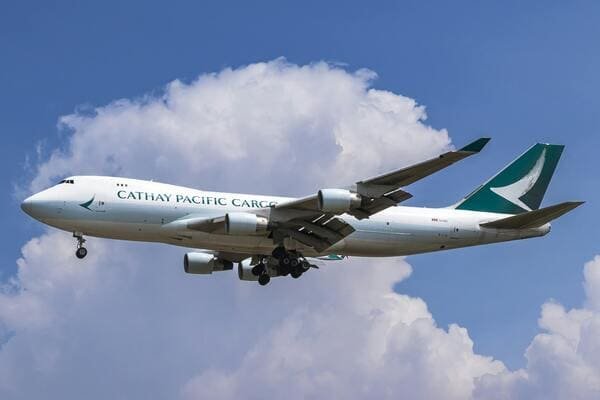
You don’t need to become a regulations expert; that's our job. Our operational process is designed to catch any potential issues long before your cargo reaches the airport. We treat every DG shipment with a strict, multi-step verification process because there is simply no room for error. We ensure every single detail is correct, because airlines and regulators will check them all. This diligent, systematic approach is how we guarantee that your shipments take off without a hitch. Here are the five core points we control for you:
- Accurate Classification: We start by reviewing your product’s Material Safety Data Sheet (MSDS)8 to confirm its UN number, class, and packing group. This is the foundation for everything that follows.
- Packaging & Labeling Dual-Check: Once packed, two different team members independently inspect all markings, labels, and package integrity. This dual-check system eliminates human error.
- Perfect Dangerous Goods Declaration (DGD): We prepare the DGD9, the single most important document. We cross-verify every detail, from the shipper's address to the net quantity of the chemical, ensuring it is 100% accurate.
- Airline Pre-Liaison: Before trucking the cargo, we send all documents and photos to the airline's DG desk for pre-approval. This proactive step resolves any questions upfront and prevents rejections at the terminal.
- Complete Photo Record: We document every stage with photos—the empty packaging, the inner packing, the sealed box, and the final labels. This creates a full compliance record for you and for regulators.
Conclusion
Navigating the new DG rules for these five chemicals is complex. Just hand your shipment over to our compliance team. We handle the classification, packaging, and documentation for you.
FAA Proposes $89,500 Fine Against SnackMagic for Alleged Hazardous Materials Violations — official enforcement example showing penalties for non-compliant hazmat air shipments — *U.S. Federal Aviation Administration (FAA)*: https://www.faa.gov/newsroom/faa-proposes-89500-fine-against-snackmagic-new-york-alleged-hazardous-materials-violations ↩
Propargyl chloride (3-Chloropropyne) — chemical profile detailing its flammability and toxicity as a hazardous substance — *Wikipedia*: https://en.wikipedia.org/wiki/Propargyl_chloride ↩
Diazo compounds — overview of this class of highly reactive, often unstable organic compounds and their explosive potential — *Wikipedia*: https://en.wikipedia.org/wiki/Diazo ↩
Packaging, Marking and Labelling of Dangerous Goods — official aviation briefing on UN-approved packaging, inner materials, and labeling requirements — *International Civil Aviation Organization (ICAO)*: https://www.icao.int/sites/default/files/APAC/Meetings/2025/2025%20COSCAPSEA%20%20EASA%20DGI/5-Presentations/05-Packaging-marking-and-labelling.pdf ↩
UN Recommendations on the Transport of Dangerous Goods — the "Orange Book" that establishes UN-specification packaging standards and the model regulations — *Wikipedia*: https://en.wikipedia.org/wiki/UN_recommendations_on_the_Transport_of_Dangerous_Goods ↩
Performance Packaging Validation Testing Program — Policies and Procedures — official document on drop, pressure, and stacking tests for UN-certified packaging — *U.S. Pipeline and Hazardous Materials Safety Administration (PHMSA)*: https://www.phmsa.dot.gov/sites/phmsa.dot.gov/files/docs/Performance%20Packaging%20Validation%20Testing%20Program%20Policies%20and%20Procedures.pdf ↩
How to Ship — Package for Shipping (Packing Groups I, II, III) — FAA guidance on matching packaging to a substance's assigned packing group — *U.S. Federal Aviation Administration (FAA)*: https://www.faa.gov/hazmat/safecargo/how_to_ship/package_for_shipping ↩
Safety data sheet (SDS/MSDS) — the standardized document detailing a substance's hazards, handling, and UN classification data — *Wikipedia*: https://en.wikipedia.org/wiki/Safety_data_sheet ↩
IATA Dangerous Goods Regulations (DGR) — the international standard defining the Shipper's Declaration for Dangerous Goods (DGD) and air transport requirements — *Wikipedia*: https://en.wikipedia.org/wiki/IATA_Dangerous_Goods_Regulations ↩