
Shipping Class 6.1 toxic substances feels complicated. A small paperwork mistake can cause customs delays, huge fees, or returned shipments, creating a massive headache for your business.
To ship Class 6.1 toxic substances, you must first classify them by their specific hazard level and packing group. The most critical document is a complete and accurate Safety Data Sheet (SDS), which dictates the proper labeling, packaging, and handling procedures required for safe and compliant transport.
I've seen firsthand how a simple error can derail an entire shipment. Getting the basics right is not just about following rules; it's about protecting your cargo, your reputation, and everyone involved in the shipping process. It's the foundation of successful logistics.
Let's break down exactly what you need to know, step by step. This guide will walk you through the essential classifications and documentation to make sure your shipments move smoothly from start to finish.
What is a Class 6.1 Toxic Substance?
Ever wondered what makes something "toxic" for shipping? The term sounds serious, and getting it wrong can lead to severe legal and safety problems for your business.
Class 6.1 toxic substances are materials, other than gases, that can cause death, serious injury, or harm to human health if swallowed, inhaled, or touched.1 This category covers a wide range of chemicals that pose a significant risk during transport if not handled correctly.
When we talk about Class 6.1, we are referring to substances defined by international transport regulations like the IMDG Code2 for sea freight. The classification isn't arbitrary; it's based on scientific data, specifically the LD50 (Lethal Dose 50) and LC50 (Lethal Concentration 50) values3. In simple terms, these values measure how toxic a substance is. The lower the value, the more dangerous the substance. This class includes things you'd expect, like cyanides and arsenic, but also many industrial chemicals, pesticides, and compounds used in manufacturing. The key is understanding that toxicity can occur through different routes:
- Oral Ingestion: Swallowing the substance.
- Dermal Contact: Absorption through the skin.
- Inhalation: Breathing in dust, mists, or vapors.
Here are some common examples:
| Substance Type | Examples |
|---|---|
| Pesticides | Aldicarb, Parathion |
| Industrial Chemicals | Aniline, Phenol, Methylene chloride |
| Heavy Metal Compounds | Mercury compounds, Lead compounds |
| Cyanides | Potassium cyanide, Sodium cyanide |
Correctly identifying your product as a Class 6.1 substance is the absolute first step.
How are Class 6.1 Toxic Substances Classified?
You know a substance is toxic, but did you know there are different types? Treating all toxic goods the same can lead to over-packaging or, worse, creating huge safety risks.
Class 6.1 substances are sub-divided based on any additional dangers they might have, known as subsidiary risks.4 This classification is crucial because it determines the specific labels, packaging, and segregation rules needed for safe transport5, preventing dangerous reactions during shipment.
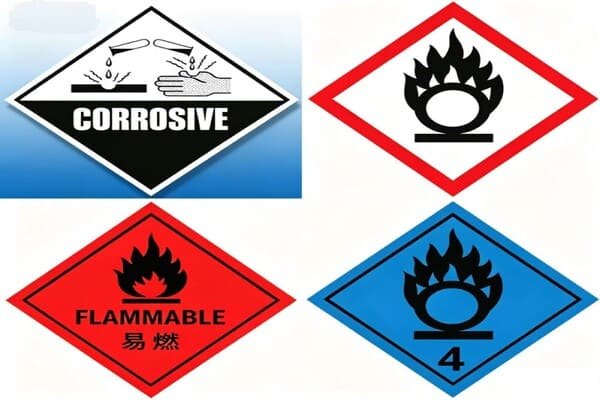
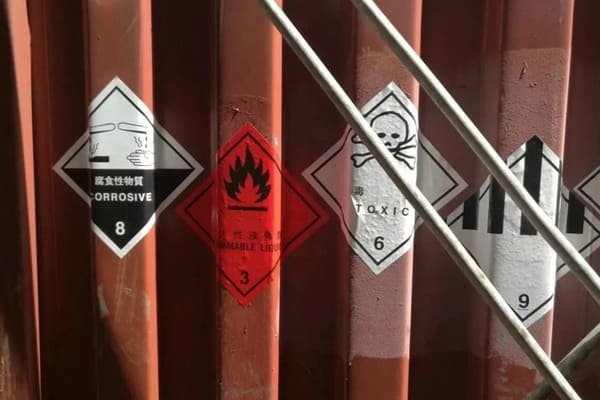
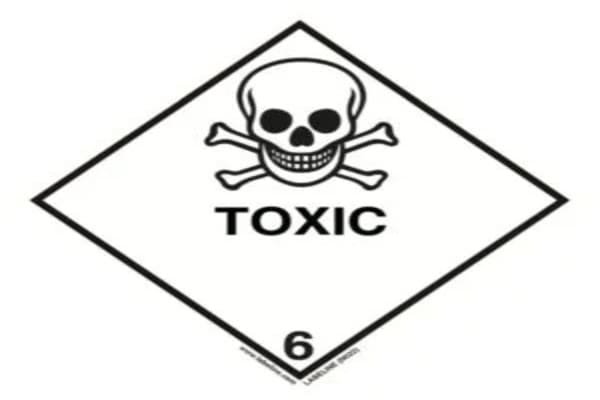
A substance is rarely just one thing. A chemical can be toxic and flammable, or toxic and corrosive. The IMDG Code uses specific classification codes to account for this, ensuring everyone handling the cargo knows its full risk profile. For example, my team once handled a shipment of a chemical that was not only toxic but also highly flammable. This meant we needed two placards on the container: the Class 6.1 "skull and crossbones" and the Class 3 "flame" symbol. It also meant we had to ensure it was stowed far away from any oxidizing agents on the vessel to prevent a potential disaster.
These codes are your guide to safety. Here’s a breakdown of the main ones:
| Code | Meaning | Example Hazard |
|---|---|---|
| T | Toxic | Toxic only, no subsidiary risk |
| TF | Toxic, Flammable | Toxic and also flammable |
| TS | Toxic, Self-heating | Toxic and can spontaneously heat up |
| TW | Toxic, Water-reactive | Toxic and emits flammable gas on contact with water |
| TO | Toxic, Oxidizing | Toxic and can cause or contribute to combustion |
| TC | Toxic, Corrosive | Toxic and can cause severe damage to skin or metals |
Understanding these sub-divisions is essential. It directly impacts your packaging choices, how your container is labeled, and where it can be placed on a ship.
What do Packing Groups I, II, and III mean for toxic goods?
Have you ever seen PG I, II, or III on a shipping document and felt confused? Getting this detail wrong means using incorrect packaging, which can lead to leaks, fines, and rejected shipments.
Packing Groups (PG)6 tell you the degree of danger. PG I is for substances with high danger, requiring the most secure packaging. PG II is for medium danger, and PG III is for low danger.7 This system ensures the packaging strength matches the risk of the product.
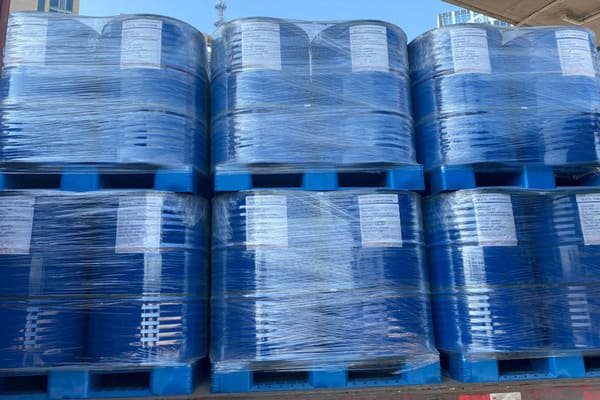
Think of it as a simple risk-level indicator. The more dangerous the substance, the tougher the packaging needs to be. For Class 6.1 toxic substances, this is directly linked to their toxicity levels (those LD508/LC50 values we mentioned earlier). A substance that is lethal in very small doses will be assigned to PG I, while a substance that is harmful but less acutely toxic will fall into PG III. I remember a client who wanted to ship a PG I chemical in a drum rated only for PG III. We had to stop the shipment. Using the wrong packaging isn't just a compliance issue; it’s a major safety failure waiting to happen. The packaging for PG I goods has undergone the most rigorous testing to withstand drops, pressure, and stacking to prevent any leaks.9
Here’s a clear breakdown:
| Packing Group | Degree of Danger | Description for Class 6.1 | Packaging Requirement |
|---|---|---|---|
| PG I | High Danger | Substances presenting very high toxicity. | Highest level of performance and testing. |
| PG II | Medium Danger | Substances presenting medium toxicity. | Good level of performance and testing. |
| PG III | Low Danger | Substances presenting low toxicity. | Basic level of performance and testing. |
This Packing Group is one of the most important pieces of information on your Safety Data Sheet. It directly tells you and your logistics partner what kind of UN-approved packaging is legally required for your shipment.
What documents are mandatory for shipping Class 6.1 substances?
Are you preparing to ship toxic goods but worried you'll miss a crucial document? One missing or incorrect paper can stop your entire shipment, costing you precious time and money.
The most critical document is a complete and current Safety Data Sheet (SDS). You also need a signed Dangerous Goods Declaration (DGD), a Container Packing Certificate, and correct placards on the container. These documents provide all information for safe and compliant handling.
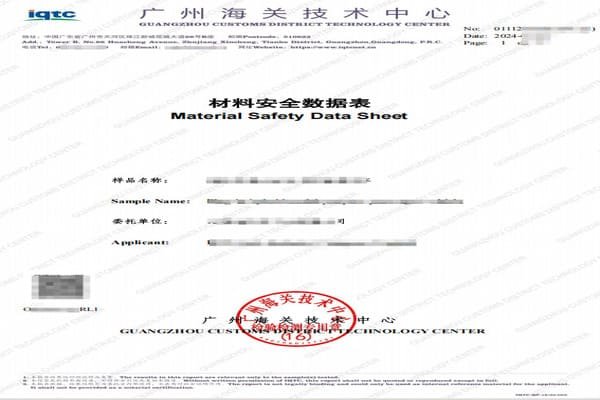
Paperwork is the backbone of any hazardous goods shipment. It’s the communication tool that tells everyone—from the warehouse staff to the port authorities to the ship's captain—exactly what is inside the container and how to handle it safely. The most common delay I see is caused by an outdated or incomplete SDS. An old MSDS (Material Safety Data Sheet)10 is no longer compliant; you must have the 16-section SDS format11. Section 14, "Transport Information," is your golden ticket. It must list the UN Number, Proper Shipping Name, Hazard Class (6.1), and Packing Group. If this section is incomplete, your shipment isn't going anywhere. Everything else flows from the SDS. The information on the SDS is used to fill out the DGD and determine which labels and placards are needed.
Here is your essential document checklist:
| Document / Item | Purpose | Why It's Critical |
|---|---|---|
| Safety Data Sheet (SDS) | Provides comprehensive product safety and handling info. | Must be current and complete. Section 14 dictates all transport requirements. |
| Dangerous Goods Declaration (DGD) | The shipper's legal declaration of compliance. | You are legally stating the shipment is packed, labeled, and declared correctly. |
| Container Packing Certificate | Confirms the container was loaded safely. | Certifies that the cargo is properly secured and segregated inside the container. |
| Labels & Placards | Provides an instant visual hazard warning. | The Class 6.1 "skull and crossbones" placard and any subsidiary risk labels must be on the container. |
Getting these documents right is not optional. It is the fundamental requirement for ensuring your toxic goods move safely and without delay.
Conclusion
Mastering the classification, packing groups, and essential documents like the SDS is the first critical step for shipping Class 6.1 goods safely and avoiding costly delays and compliance issues.
49 CFR 173.132 — Class 6, Division 6.1 — Definitions — official U.S. federal regulation defining toxic substances for transport — *Electronic Code of Federal Regulations (eCFR)*: https://www.ecfr.gov/current/title-49/subtitle-B/chapter-I/subchapter-C/part-173/subpart-D/section-173.132 ↩
IMDG Code (International Maritime Dangerous Goods Code) — the international standard governing the safe sea transport of dangerous goods, including Class 6.1 — *Wikipedia*: https://en.wikipedia.org/wiki/IMDG_Code ↩
Toxicology — LD50 and LC50 Values (Laboratory Safety Manual, Ch. 7.7.1) — university guidance explaining lethal dose/concentration measures of toxicity — *Cornell University Environmental Health & Safety*: https://ehs.cornell.edu/research-safety/chemical-safety/laboratory-safety-manual/chapter-7-safe-chemical-use/77-1 ↩
What Is Hazmat? — official overview of hazardous materials classes and subsidiary risks — *U.S. Federal Aviation Administration (FAA)*: https://www.faa.gov/hazmat/what_is_hazmat ↩
How to Ship — Package for Shipping — FAA guidance on labels, packaging, and matching packaging to hazard class and packing group — *U.S. Federal Aviation Administration (FAA)*: https://www.faa.gov/hazmat/safecargo/how_to_ship/package_for_shipping ↩
Dangerous goods — overview of hazard classes and the Packing Group (PG I/II/III) system indicating degree of danger — *Wikipedia*: https://en.wikipedia.org/wiki/Dangerous_goods ↩
Performance Packaging Codes — official document explaining Packing Groups I, II, III and corresponding UN packaging performance levels — *U.S. Pipeline and Hazardous Materials Safety Administration (PHMSA)*: https://www.phmsa.dot.gov/sites/phmsa.dot.gov/files/docs/Performance%20Packaging%20Codes.pdf ↩
Median lethal dose (LD50) — definition of the standard toxicological measure used to assign toxic substances to packing groups — *Wikipedia*: https://en.wikipedia.org/wiki/Median_lethal_dose ↩
Performance Packaging Codes — details the rigorous drop, pressure, and stacking tests required for PG I packaging — *U.S. Pipeline and Hazardous Materials Safety Administration (PHMSA)*: https://www.phmsa.dot.gov/sites/phmsa.dot.gov/files/docs/Performance%20Packaging%20Codes.pdf ↩
Safety data sheet (SDS/MSDS) — the standardized 16-section document detailing a substance's hazards, transport data, and handling procedures — *Wikipedia*: https://en.wikipedia.org/wiki/Safety_data_sheet ↩
Hazard Communication Standard: Safety Data Sheets (OSHA 3514) — official guide to the mandatory 16-section SDS format, including Section 14 Transport Information — *U.S. Occupational Safety and Health Administration (OSHA)*: https://www.osha.gov/Publications/OSHA3514.html ↩