
Shipping dangerous goods is stressful. Delays at the border can kill your profits. You need a solution that is fast, safe, and reliable every single time.
TIR trucks offer a huge advantage for dangerous goods (DG). They use a sealed system and a single customs document (TIR Carnet)1, speeding through borders with fewer inspections. Ordinary trucks face multiple checks at each border, causing delays and increasing risks for your sensitive cargo.
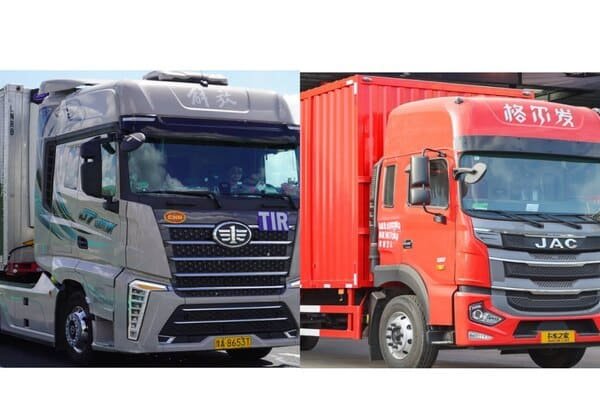
Choosing the right transport is critical, especially when dealing with products like lithium batteries or industrial chemicals. The differences go far beyond just the truck itself. It's about how your cargo moves from point A to point B. Let's break down exactly what sets these two options apart so you can make the best choice for your business.
How do customs clearance and border inspections differ?
Worried about customs holding your urgent DG shipment? These delays are costly and unpredictable. A smoother border crossing process is essential for your supply chain's health.
TIR trucks use a single customs document, the TIR Carnet, and are sealed at the start. Customs officials usually don't inspect the cargo at borders, just the seal.2 Ordinary trucks require separate customs procedures at every border, leading to frequent unloading, inspections, and long delays.
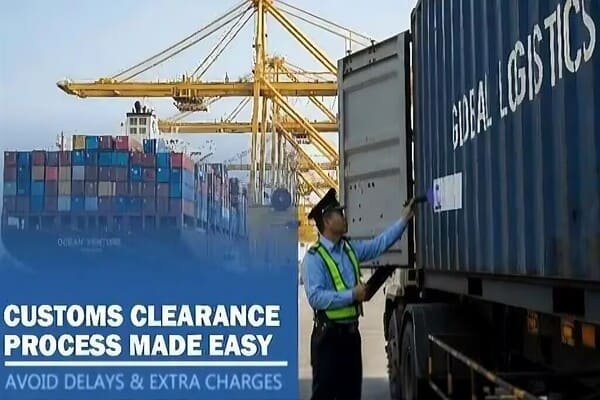
The experience at the border is completely different for these two methods. I remember a client, let's call him David, who was shipping UV adhesives from China to Germany. His first shipment with an ordinary truck was stuck at a border for four days waiting for an inspection slot. That delay nearly cost him a major retail contract. This is a common story, and the reason lies in the process.
The TIR System: A Green Lane for Cargo
The TIR system works like a passport for your goods. The truck is loaded and sealed at the point of origin by customs. This customs seal3 is internationally recognized. At each border crossing, customs officers simply check that the seal is intact. They don't need to open the container to inspect the goods inside. This creates a "green lane" effect, allowing the truck to pass through borders in hours, not days. The entire journey is covered by one document: the TIR Carnet. This simplifies paperwork and dramatically reduces the chance of administrative errors causing delays.
The Ordinary Truck Process: A Stop-and-Go Journey
An ordinary truck journey is a series of stops. At every border, the truck must go through a full customs clearance process for that specific country. This means new paperwork, potential language barriers, and often, a physical inspection of the cargo. Your goods might be unloaded, checked, and reloaded multiple times. Each stop adds time, cost, and risk.
| Feature | TIR System | Ordinary Truck |
|---|---|---|
| Documentation | Single TIR Carnet | Separate documents per country |
| Inspection | Seal check only (usually) | Full cargo inspection possible |
| Border Time | Hours | Days |
| Risk of Delay | Low | High |
Are there different ADR compliance and safety standards for DG cargo?
Shipping chemicals or batteries is high-risk. Non-compliance can lead to huge fines, accidents, or seized goods. You need to be sure your carrier meets all safety rules.
Yes, the standards are stricter and more integrated with TIR. TIR-approved vehicles must meet high technical and safety specifications for DG transport. While ordinary trucks must also be ADR-compliant, the TIR system adds another layer of security and international recognition, ensuring a higher standard is maintained.
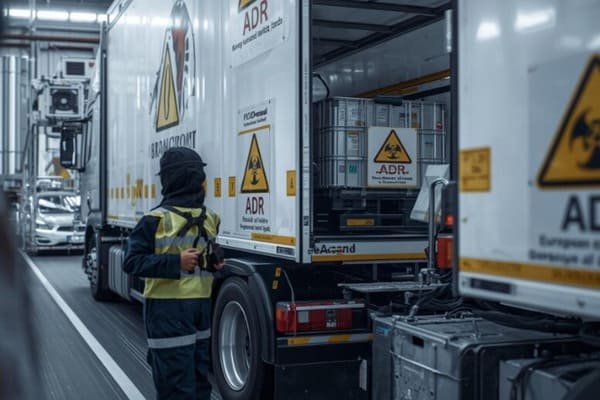
Safety isn't just a box to tick; it's the foundation of DG shipping. Both methods must follow the ADR (European Agreement concerning the International Carriage of Dangerous Goods by Road) regulations4. However, the way they ensure compliance is very different. The TIR system has safety built into its core, offering you greater peace of mind.
TIR's Built-in Compliance
To become a TIR-approved vehicle, a truck must pass a rigorous technical inspection. It must be built to prevent easy access to the sealed cargo area and meet specific safety standards for carrying dangerous goods. This approval isn't a one-time thing; it's regularly re-certified5. This means that when you book a TIR truck, you are getting a vehicle that is guaranteed to meet an international standard of safety and security. This gives authorities at the border confidence, which is another reason they are happy to just check the seal and let it pass. The entire system is designed around trust and verified compliance.
Ordinary Truck Compliance Risks
With an ordinary truck, compliance can be more fragmented. The truck itself must be ADR-compliant, the driver must have ADR training6, and the shipper must provide the correct documentation7. A failure in any one of these areas can halt the entire shipment. For example, if a driver's certification is out of date, or if the truck's safety equipment is not properly maintained, your cargo can be stopped indefinitely. The responsibility is spread out, which increases the overall risk. With TIR, the system itself provides a strong guarantee of compliance from start to finish.
How do they compare on transit efficiency and cargo integrity?
Is your cargo arriving late or damaged? Inefficient transit hurts your reputation and bottom line. You need a method that protects your goods and your schedule.
TIR is much more efficient. The sealed container and reduced inspections mean faster transit times and a lower risk of theft or damage during handling. Ordinary trucks stop frequently, and each unloading/reloading for inspection increases the chance of product damage, contamination, or loss.

The speed of your shipment is important, but so is the condition in which it arrives. For high-value or sensitive goods like inks, chemicals, or electronics, cargo integrity is everything. The journey itself can introduce many risks, and TIR is specifically designed to minimize them.
The Non-Stop Advantage of TIR
Think of the TIR journey as a direct flight. Your cargo is loaded and sealed in one secure container. It remains in that same sealed container until it reaches its final destination. There is no unloading at borders. This is a massive advantage for several reasons. First, it drastically reduces the risk of damage. Every time a box is moved, there's a chance it gets dropped or mishandled.8 Second, it protects against contamination. If you're shipping sensitive chemicals, you don't want them exposed in a dusty border warehouse. Finally, it provides incredible security against theft. A sealed, internationally monitored container is a very hard target.
The Hidden Dangers of Multiple Stops
The journey for an ordinary truck is more like a series of connecting flights with long layovers. Each border inspection is a "handling point." Your cargo may be taken off the truck, moved to a warehouse, opened, inspected, and then reloaded. This process introduces many risks. We've seen pallets of lithium batteries9 damaged by forklifts during a rushed inspection. We've also had clients report contamination of their products. Each stop is an opportunity for something to go wrong, creating a much less predictable and secure supply chain.
| Factor | TIR System | Ordinary Truck |
|---|---|---|
| Transit Time | Faster, more predictable | Slower, unpredictable |
| Handling Points | Minimal (origin & destination) | Multiple (at each border) |
| Risk of Damage | Very Low | Moderate to High |
| Risk of Theft | Very Low | Higher |
What about the cost structure: is TIR more expensive than an ordinary truck?
Worried about high shipping costs eating your profits? The cheapest upfront price isn't always the best deal. You need to understand the total cost of your shipment.
Initially, TIR freight may seem more expensive due to certification and Carnet fees. However, ordinary trucks have hidden costs like border fees, potential demurrage charges from delays, and the financial risk of damaged goods. For many DG shipments, TIR's total cost is often lower.

This is the question that matters most to many business owners. It’s easy to look at two price quotes and pick the lower one. But with cross-border logistics, especially for DG cargo, the initial quote is never the full story. You have to look at the total, all-in cost.
Understanding the TIR Investment
The freight rate for a TIR shipment might be slightly higher. This is because it includes the cost of the TIR Carnet, the use of a certified vehicle, and the expertise required to manage the process. You are paying for a premium service. Think of it as an investment in predictability and security. You are paying to avoid delays, eliminate surprise fees at the border, and ensure your cargo arrives safely. For time-sensitive or high-value shipments, this "insurance" is often worth every penny, as it protects your revenue and your client relationships.
The Unexpected Costs of Ordinary Trucking
The lower upfront cost of an ordinary truck can be very misleading. The final bill is often much higher. At each border, you may have to pay a local customs broker. If there is a delay for inspection, the truck company will charge you demurrage fees10 for waiting. If your cargo is damaged during inspection, you bear the cost of the lost product. And the biggest cost of all? A delayed shipment that causes you to lose a sale or a customer. These hidden costs are unpredictable and can quickly erase any initial savings.
| Cost Factor | TIR Truck | Ordinary Truck |
|---|---|---|
| Upfront Freight | Higher | Lower |
| Customs Fees | Single Carnet Fee | Multiple Broker Fees |
| Delay Costs | Minimal | High Potential |
| Damage/Loss Risk | Low | Higher |
| Total Cost | More Predictable | Unpredictable & Potentially Higher |
Conclusion
For cross-border DG shipments, TIR offers superior safety, speed, and reliability. It reduces risks and hidden costs, making it the smarter choice for your valuable cargo.
"CARNET TIR*", https://unece.org/DAM/tir/downloads/tircarnet.pdf. The UNECE TIR Convention describes international road transit under customs seal using the TIR Carnet as the customs transit document for the journey. Evidence role: definition; source type: institution. Supports: TIR trucks use a sealed system and a single customs document called the TIR Carnet. ↩
"TIR Convention - Wikipedia", https://en.wikipedia.org/wiki/TIR_Convention. Official TIR explanations state that, under the TIR procedure, intermediate customs offices generally verify the customs seals and Carnet rather than conducting routine cargo inspection. Evidence role: mechanism; source type: institution. Supports: At intermediate borders, TIR cargo is usually controlled by checking seals and documents rather than opening the load. Scope note: The rule does not prevent inspection where authorities suspect irregularities, safety issues, or legal violations. ↩
"Customs seal", https://en.wikipedia.org/wiki/Customs_seal. Overview of internationally recognized customs seals used to secure and verify the integrity of cargo units in transit under customs control. Evidence role: definition; source type: reference. Supports: The TIR seal applied at origin is internationally recognized and verified at each border. ↩
"ADR (treaty) - Wikipedia", https://en.wikipedia.org/wiki/ADR_(treaty). UNECE identifies ADR as the European Agreement concerning the International Carriage of Dangerous Goods by Road and publishes the technical requirements governing such road transport. Evidence role: definition; source type: institution. Supports: ADR is the regulatory framework for international carriage of dangerous goods by road in Europe and related contracting states. ↩
"19 CFR Part 115 — Customs Bonded Merchandise Warehouses / Approval of Containers and Road Vehicles for Transport under Customs Seal", https://www.ecfr.gov/current/title-19/chapter-I/part-115. Official U.S. regulation setting out the technical approval and periodic re-certification requirements for containers and road vehicles used for transport under customs seal. Evidence role: mechanism; source type: institution. Supports: TIR-approved vehicles must pass a technical inspection and be regularly re-certified to maintain their approved status. ↩
"ADR Training Certificates for Drivers", https://unece.org/transport/dangerous-goods/adr-certificates. UNECE describes the mandatory ADR training and certification drivers must hold to transport dangerous goods by road. Evidence role: requirement; source type: institution. Supports: Drivers carrying dangerous goods by ordinary truck must hold valid ADR training certification. ↩
"How to Ship — Package for Shipping", https://www.faa.gov/hazmat/safecargo/how_to_ship/package_for_shipping. Official FAA guidance on the shipper's responsibility to provide correct classification, packaging, and documentation for hazardous materials. Evidence role: requirement; source type: institution. Supports: The shipper is responsible for providing correct documentation and compliant packaging for dangerous goods shipments. ↩
"The Effect of Handling and Shipping on Package and Product Damage", https://repository.rit.edu/cgi/viewcontent.cgi?article=1008&context=japr. Academic research (RIT) examining how handling events and transfers during transit contribute to package and product damage. Evidence role: evidence/data; source type: academic. Supports: Each additional handling or transfer point increases the probability of package and product damage. ↩
"Lithium battery", https://en.wikipedia.org/wiki/Lithium_battery. Reference overview of lithium batteries, a class of goods regulated as dangerous goods in transport due to fire and thermal-runaway risk. Evidence role: definition; source type: reference. Supports: Lithium batteries are sensitive, regulated cargo vulnerable to damage from mishandling during transit. ↩
"Demurrage", https://en.wikipedia.org/wiki/Demurrage. Reference definition of demurrage as charges incurred when cargo or transport equipment is delayed or held beyond the allotted time. Evidence role: definition; source type: reference. Supports: Delays at the border can trigger demurrage charges, a hidden cost of ordinary trucking. ↩