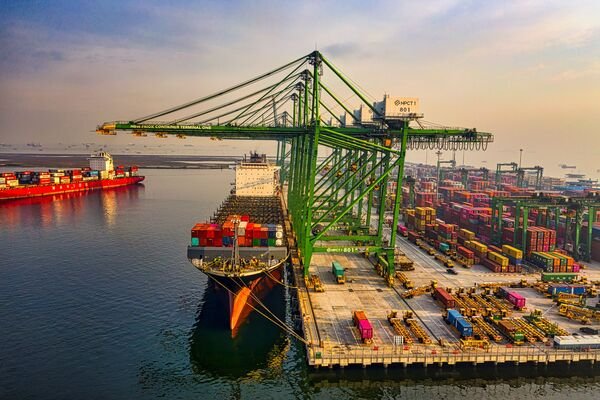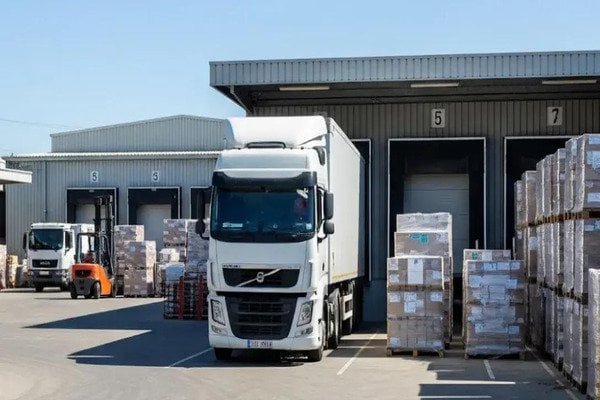

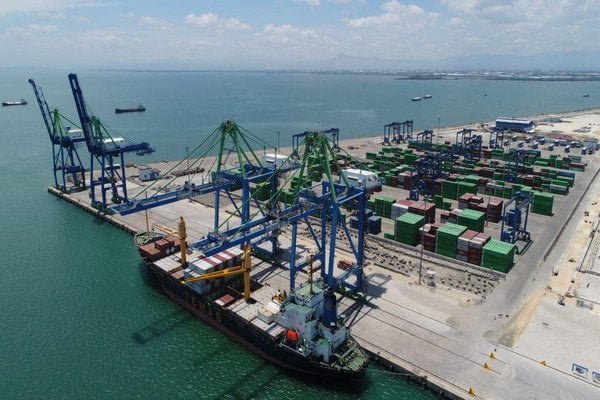
A freight quotation from China may look competitive when you first receive it. But after the shipment arrives, you discover additional charges for terminal handling, document release, customs clearance, storage or container usage.
Why were these costs not included in the original quotation?
The answer often comes down to the difference between a quoted freight rate and the total cost of getting goods to their final destination.
For overseas importers, understanding destination charges before booking can prevent budget surprises, customs delays and disputes over who is responsible for payment.
1. Why Do Destination Charges Occur?
International shipping involves more than moving cargo between two ports.
After a vessel arrives, cargo may need to be unloaded, processed by the terminal, released by the carrier, cleared through customs and transported to a warehouse or business address.
Each activity can involve a separate service provider and charge.
A port-to-port freight quote may cover the main ocean transportation without including every destination service. A door-to-door quotation may cover more stages, but buyers still need to check its inclusions and exclusions.
The important question is not simply how much ocean freight costs. It is how much the entire shipment will cost before the goods reach your warehouse.
2. Common Destination Charges Importers Should Understand
Terminal Handling Charges (THC)
Destination terminal handling charges generally relate to container handling activities at the receiving terminal.
Whether THC is included in a quotation depends on the carrier, service arrangement, trade lane and agreed commercial terms.
Importers should confirm whether destination THC is prepaid, payable locally or included in the total quotation.
Delivery Order and Documentation Fees
A delivery order or cargo release process may involve administrative fees charged by the carrier, agent or another service provider.
The terminology and release requirements vary by carrier and destination.
Ask who issues the cargo release document, what the charge covers and whether any additional document processing fees apply.
Customs Clearance and Inspection Costs
Customs brokerage fees and government duties or taxes are different types of charges.
A customs broker may charge for preparing and submitting the import declaration. Import duties and taxes are determined by the applicable customs and tax rules.
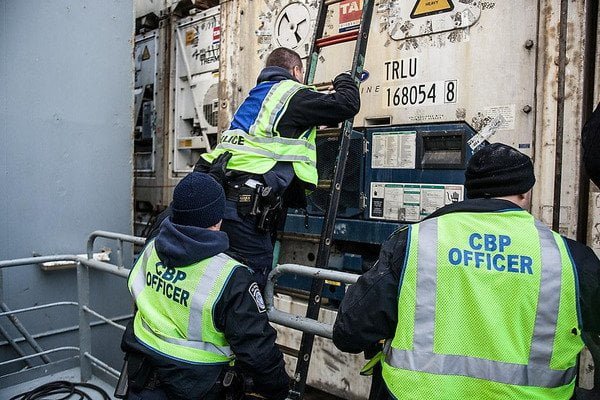
A cargo examination can also result in additional handling, storage or inspection-related costs.
Do not assume that a quote described as “including customs clearance” also includes import duties, VAT, GST or all possible examination expenses.
Port and Warehouse Storage
Cargo that remains at a terminal or warehouse beyond the applicable free period may incur storage charges.
Common causes include incomplete documents, delays in customs release, payment disputes and missed collection arrangements.
Storage should not automatically be treated as the same charge as demurrage or detention.
3. Demurrage vs. Detention vs. Storage
These terms are closely related but describe different types of charges.
| Charge | General meaning | Typical situation |
|---|---|---|
| Demurrage | Charges for holding a carrier’s container at the terminal beyond applicable free time | Import container is not collected in time |
| Detention | Charges for retaining a carrier’s container outside the terminal beyond allowed free time | Empty container is returned late |
| Storage | Charges for occupying terminal or warehouse space | Cargo remains in storage beyond the applicable period |
Some shipping lines use combined demurrage and detention arrangements. The applicable definitions, charging periods and free time must be checked against the specific carrier’s local tariff.
Maersk explains that these charges apply when containers remain beyond their agreed free-time allowances in its demurrage and detention guidance.
Example: A Shipment Delayed by Missing Documents
An importer receives a notification that a container has arrived.
However, the final commercial invoice and required clearance documents have not been confirmed. Customs clearance cannot be completed immediately, and the container remains at the terminal.
Depending on the carrier’s terms and local terminal rules, the shipment may begin accumulating charges after the relevant free periods expire.
The lesson is straightforward: destination cost control begins before the vessel arrives.
4. Why LCL Shipments Can Generate Unexpected Charges
Less-than-container-load (LCL) shipping allows multiple shipments to share container space.
It can be economical for smaller cargo volumes, but the destination process is different from collecting a full container.
An LCL shipment may require container deconsolidation, handling at a container freight station, warehouse processing and individual cargo release.
Possible destination costs include:
- CFS handling and deconsolidation fees.
- Documentation and cargo release fees.
- Warehouse storage charges.
- Customs brokerage fees.
- Local collection or delivery charges.
A low origin freight rate does not necessarily mean the total LCL shipment will be inexpensive.
Importers should ask for an estimated destination-charge breakdown before comparing LCL quotations.
5. How Incoterms Affect Destination Charges
Incoterms define the allocation of specified delivery obligations, costs and risks between sellers and buyers under a sales contract.
For example:
- FOB: The seller generally delivers the goods on board the vessel at the named port of shipment, while the buyer arranges and pays for the main carriage and takes responsibility for subsequent costs according to the rule.
- CIF: The seller arranges and pays for the agreed ocean carriage and required insurance, but that does not mean every destination charge is included.
- DAP: The seller delivers to the agreed destination ready for unloading, while import clearance and applicable import duties or taxes generally remain the buyer’s responsibility.
- DDP: The seller assumes broader obligations, including destination import clearance and applicable duties and taxes, subject to the rule and local regulatory feasibility.
The exact named place matters. Simply writing “FOB China” or “DAP Europe” may leave important operational questions unanswered.
See the International Chamber of Commerce’s Incoterms 2020 guidance for the official framework.
6. How to Compare the True Cost of Shipping from China
When comparing quotations, use a consistent delivery scope.
A practical cost comparison should consider:
| Cost category | What to check |
|---|---|
| Origin charges | Factory pickup, export handling and documentation |
| Main freight | Ocean transportation and applicable surcharges |
| Destination charges | Terminal, CFS, carrier release and local handling |
| Customs-related costs | Brokerage, duties, taxes and possible inspections |
| Inland delivery | Trucking, unloading arrangements and final-mile delivery |
| Contingencies | Storage, demurrage, detention and exceptional handling |
For example, Quote A may offer lower ocean freight than Quote B while excluding destination handling that Quote B includes.
Without confirming the service scope, it is impossible to know which quotation actually offers the lower total cost.
7. Questions to Ask Before Booking
Before accepting a freight quotation, ask your logistics provider:
- Is the price port-to-port, port-to-door or door-to-door?
- Are destination THC and documentation charges included?
- For LCL cargo, which CFS and deconsolidation fees will apply?
- Who handles import customs clearance?
- Are import duties and taxes included or excluded?
- What free time applies to storage, demurrage and detention?
- What is the estimated cost of final delivery?
- Which charges may change because of customs inspection, delays or other circumstances?
Request written clarification of major exclusions. This reduces the risk of misunderstandings after departure.
Frequently Asked Questions
Are destination charges included in ocean freight rates?
Not always. An ocean freight rate may cover the main international carriage without all local destination services. The answer depends on the quotation and agreed service scope.
Are destination charges higher for LCL than FCL?
Not necessarily in total, but LCL cargo may involve additional consolidation and warehouse-related handling charges. The comparison should account for shipment volume and the complete service scope.
Can importers avoid demurrage and detention?
They can reduce the risk by preparing documents early, monitoring arrival information, arranging prompt cargo collection and returning containers within the applicable free period. Unexpected delays may still occur.
Conclusion
Unexpected destination charges are often the result of unclear quotation scope, unconfirmed responsibilities or delays in the import process.
For businesses importing from China, the most reliable approach is to compare total logistics costs, clarify all destination services and prepare the necessary documents before cargo arrives.
Need a Clear Shipping Quotation from China?
Deeplinker helps international businesses evaluate freight options based on their cargo, destination and delivery requirements.
Share your shipment details with our team to discuss the transport arrangements and cost items that should be considered before booking.