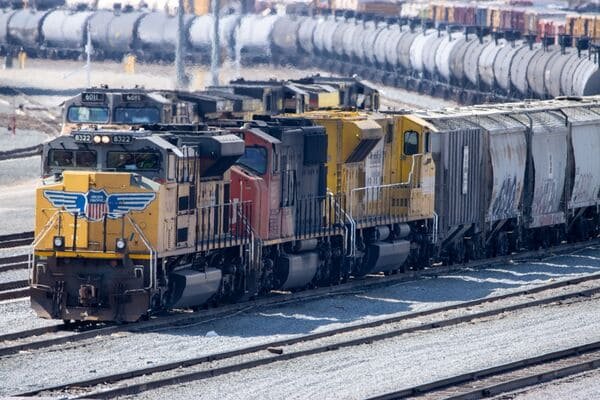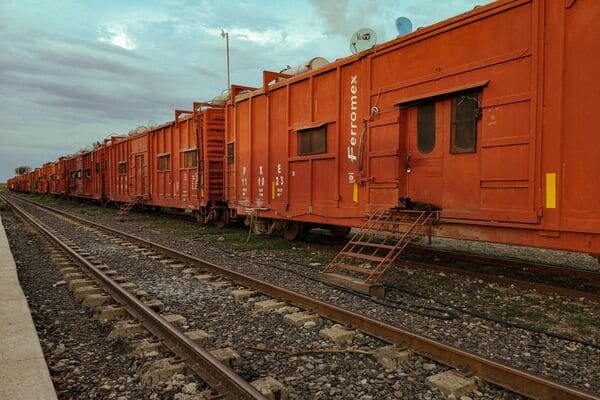

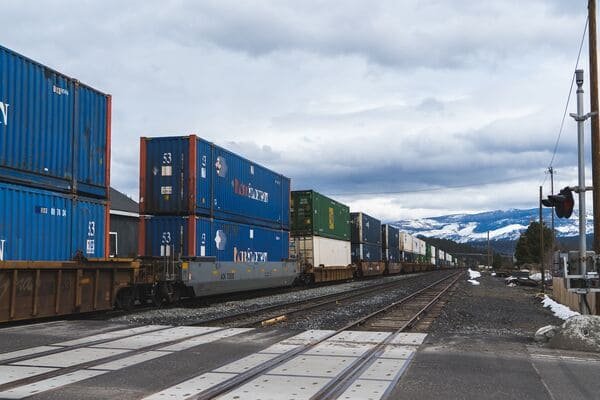
Your cargo arrives damaged, leading to costly claims and unhappy customers. The constant motion of rail transport can be brutal, turning small vibrations into major financial losses for your business.
To protect your cargo during rail transport, you must use packaging materials that absorb shock and prevent movement. Secure the load inside the container with proper blocking, bracing, and dunnage like airbags1 to eliminate gaps. This stops the cumulative effects of vibration and sudden jolts from causing damage.2
I've seen firsthand what happens when cargo isn't prepared for a long rail journey. A small oversight in packaging can lead to a container full of broken products. It’s not just about a single big impact; it's the thousands of little movements that add up. But these risks are manageable if you know what you're up against. Let’s look closer at the specific challenges of rail transport and how to protect your investment.
How Do Rail Vibrations Actually Affect Your Packaging?
You believe your packaging is strong enough for any journey. But after weeks on the rails, your products arrive scuffed, scratched, or broken, even when the boxes seem intact.
Rail vibrations create constant friction and pressure on your packaging3. This motion causes boxes to rub against each other, weakening them over time. It can also cause contents to shift, loosen, and break, turning a perfectly packed pallet into a damaged mess by the time it arrives.
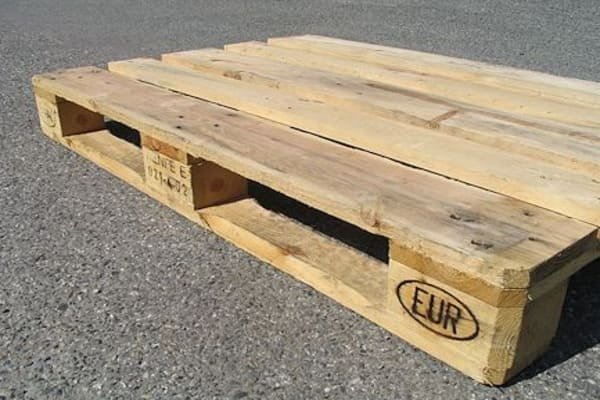
When we talk about rail transport, we need to think beyond simple bumps. The unique motion of a train introduces two destructive forces: vertical bouncing and lateral swaying. I once handled a shipment of consumer electronics where the outer boxes looked perfect upon arrival. However, the client discovered that the constant, subtle vibration had shaken internal components loose, rendering a third of the units defective. This experience taught me that the danger isn't always visible. The persistent shaking can be more damaging than a single, hard drop. It's a quiet process of destruction that you must prepare for before your container ever leaves the yard.
Deeper Look at Vibration Damage
To truly protect your cargo, you have to understand how these forces work.
- Vertical Vibration: This up-and-down motion comes from the train moving over the tracks. For stacked cargo, this creates a compression effect.%%%FOOTNOTE_REF4%%% The boxes at the bottom of a pallet get repeatedly squeezed and released, which can lead to [material fatigue](https://en.wikipedia.org/wiki/Fatigue(material)) and collapse.5
- Lateral Vibration: This side-to-side swaying is unique to train movement. It causes packages to rub against each other, creating abrasion and scuffing.6 Over thousands of miles, this can wear through cardboard and damage product surfaces.
Here is how different packaging holds up:
| Packaging Type | Primary Vulnerability to Vibration | Recommended Action |
|---|---|---|
| Cardboard Boxes | Compression fatigue, corner crushing | Use high-quality, crush-resistant board; avoid over-stacking. |
| Wooden Crates | Loosening of fasteners, internal shifting | Use screw-shank nails or bolts; add internal blocking. |
| Plastic Totes | Surface abrasion, stress cracking | Wrap individual totes or use slip sheets between layers. |
| Palletized Goods | Shifting and leaning of the entire unit | Use high-tension shrink wrap and corner protectors. |
What Are the Real Risks of Using Poor Packaging for Rail Cargo?
Trying to save money on packaging or dunnage seems like an easy win. But this small saving can quickly disappear when you are faced with a damage claim from your customer.
Poor packaging directly leads to product breakage, carton collapse, and load instability. This creates a domino effect where one failure compromises the entire container, often resulting in rejected shipments, costly claims, and a damaged business reputation7 that is hard to repair.
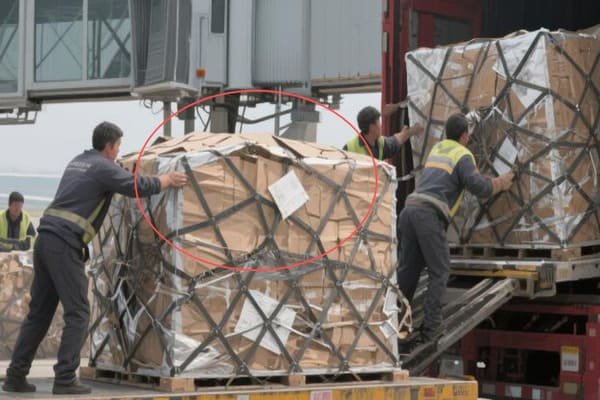
I remember a client who shipped a container of bottled goods. They used low-quality dividers inside the boxes to save a few cents per unit. During the rail journey, the constant vibration caused the bottles to rattle against each other. By the time the container arrived, nearly half the bottles were broken. The mess was so bad that the receiver rejected the entire shipment. The client not only lost the value of the goods and the shipping cost but also had to pay for the disposal of the damaged cargo. This is a classic case of a short-term saving leading to a major long-term loss. The real cost of poor packaging goes far beyond the price of the product itself.
The Full Cost of a Single Damaged Shipment
The consequences of a packaging failure ripple through your entire operation. It is never just about the broken item.
- Direct Financial Losses: This is the most obvious cost. It includes the value of the damaged goods, the freight cost you paid to ship them, and any administrative fees for filing claims8.
- Operational Headaches: A damaged shipment needs to be sorted, documented, and often returned or disposed of. This pulls your team away from their normal work and can cause serious delays in your supply chain.9
- Reputation Damage: This is the most dangerous cost. An unhappy customer may not order from you again. They might also share their bad experience online, hurting your brand and turning away potential new customers.
Here’s a simple breakdown of how costs add up:
| Cost Category | Example Expense | Estimated Cost |
|---|---|---|
| Initial Goods Value | 200 units @ $50/each | $10,000 |
| Damage Rate | 25% of units damaged | -$2,500 |
| Additional Costs | Re-shipping, labor, disposal fees | -$1,500 |
| Lost Customer | Future orders not placed | -$5,000+ |
| Total Impact | A "small problem" becomes a huge loss | -$9,000+ |
What Pre-Shipment Checks Can Prevent Cargo Damage?
You've packed your container, but the worry doesn't stop. You won't know if your cargo is safe until it reaches its destination, and by then, it is too late to fix.
Before sealing your container, you must perform key checks. Verify that individual packages are robust, ensure the load is blocked and braced against movement, use dunnage like airbags to fill all gaps, and confirm the weight is evenly distributed. A final look is crucial.
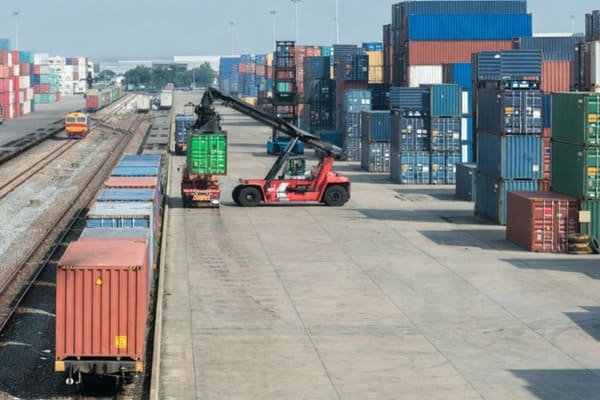
The best way to ensure your cargo arrives safely is to have a solid plan before it moves an inch. At Deeplinker, we treat this step as one of the most critical parts of the shipping process. It's not just about throwing in an airbag and hoping for the best. It's about a systematic approach. We assess the entire load stability before the container is sealed. We look for any potential gaps or weak points that could cause problems down the line. This extra layer of protection is what separates a successful shipment from a costly mistake. Adding these checks to your own process will give you peace of mind.
Your Essential Pre-Shipment Checklist
Follow these steps to dramatically reduce your risk of damage.
Step 1: Inspect the Packaging
Before loading, check your individual boxes and pallets. Look for any signs of weakness, such as crushed corners, water damage, or poor seals. A weak box at the bottom can compromise an entire stack.
Step 2: Plan the Load
Don't just start loading. Have a plan for how the container will be packed. Always place heavier items on the bottom and distribute weight evenly10 from side to side and front to back. An unbalanced load is an unstable load.
Step 3: Secure the Load
This is where you prevent movement. Use blocking and bracing (wooden structures) to keep cargo from shifting forward or backward. Most importantly, fill any empty spaces. Even a small gap allows cargo to gain momentum.11
Here is a quick guide on what to use to fill those gaps:
| Gap Size | Recommended Dunnage | Why It Works |
|---|---|---|
| Small (1-3 inches) | Corrugated Void Fill | Prevents minor shifting and rubbing. |
| Medium (3-12 inches) | Dunnage Airbags | Cushions and locks the load in place. |
| Large (12+ inches) | Wooden Bracing | Creates a solid barrier against major shifts. |
A final walkthrough inside the container to check for any movement is the last, and most important, step before you seal the doors.
Conclusion
Protecting cargo from rail damage means being proactive. Understand vibration, use strong packaging, and perform strict pre-shipment checks. Taking these steps is always cheaper than dealing with the aftermath of damage.
CTU Code (Code of Practice for Packing of Cargo Transport Units) — blocking, bracing, and dunnage guidance — *IPPC / International Maritime Organization*: https://www.ippc.int/sites/default/files/documents/1362665459_CTU_Code_Draft_CoP_2013_v1.pdf ↩
Vibration — a mechanical oscillation about an equilibrium point; the repeated motion that stresses cargo during transit — *Wikipedia*: https://en.wikipedia.org/wiki/Vibration ↩
Study on rail transport vibration effects on packaged goods — *Office of Scientific and Technical Information (OSTI), U.S. Dept. of Energy*: https://www.osti.gov/servlets/purl/1083410 ↩
Compression (physics) — the application of balanced inward forces that reduce volume; the squeezing effect on stacked cargo — *Wikipedia*: https://en.wikipedia.org/wiki/Compression_(physics) ↩
Fatigue (material) — the weakening of a material caused by repeatedly applied loads, leading to eventual failure — *Wikipedia*: https://en.wikipedia.org/wiki/Fatigue_(material) ↩
Abrasion (mechanical) — the process of scuffing or wearing away a surface through friction — *Wikipedia*: https://en.wikipedia.org/wiki/Abrasion_(mechanical) ↩
Research on packaging failure, product damage, and supply chain impact — *National Library of Medicine (PMC)*: https://pmc.ncbi.nlm.nih.gov/articles/PMC10231832/ ↩
Discovered Loss or Damage — guidance on freight damage claims — *Federal Motor Carrier Safety Administration (FMCSA)*: https://www.fmcsa.dot.gov/protect-your-move/resources/discovered-loss-damage ↩
Supply chain — the network of organizations, people, and processes involved in producing and delivering goods — *Wikipedia*: https://en.wikipedia.org/wiki/Supply_chain ↩
CTU Code — Improper Weight Distribution — *TT Club*: https://www.ttclub.com/news-and-resources/video-library/article/ctu-code-improper-weight-distribution-port/ ↩
Momentum — the product of an object's mass and velocity; unsecured cargo builds momentum before impact — *Wikipedia*: https://en.wikipedia.org/wiki/Momentum ↩