
Are you worried about surprise customs exam fees eating into your profits? These unexpected costs and delays can disrupt your entire supply chain, leaving you frustrated and behind schedule.
The short answer is that the importer pays for everything1, and costs can range from a few hundred to several thousand dollars2. Exams are often triggered by simple mistakes in your paperwork, like mismatched HS codes, vague product descriptions, or declaring a value that seems too low.
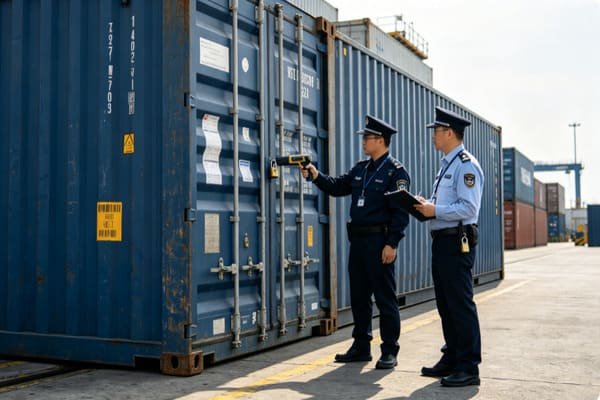
I've seen it happen to even the most experienced importers. You think everything is going smoothly, and then you get the notice: your container has been flagged for a customs exam. The reality of importing is that an inspection isn't a matter of "if"—it's a matter of "when." But knowing what triggers these exams and what they involve can help you prepare and maybe even avoid them. Let's break down what you need to know to protect your business and your bottom line.
What Are the Main Customs Exam Types for Importers – From X-Ray to Intensive?
Does the thought of a customs inspection leave you wondering what will happen to your cargo? This uncertainty can be stressful, making it hard to plan your inventory and delivery schedules.
There are three main types of exams3. The most common is a VACIS or X-ray scan. If that raises questions, they might do a Tail Gate exam to look inside. The most thorough is an Intensive Exam, where they unload the entire container for a detailed inspection.
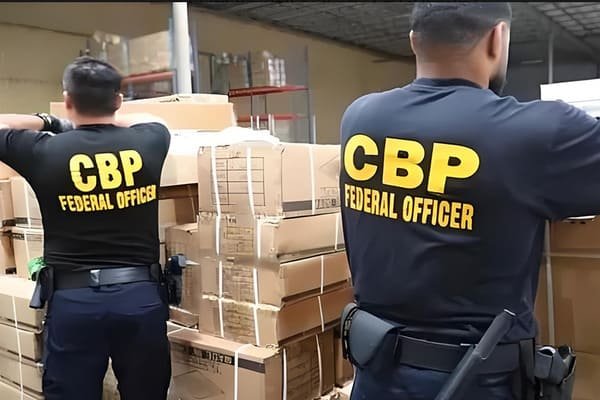
Each type of exam has a different level of intrusiveness and a different impact on your timeline and budget. Think of it as a ladder. An issue found during a simple scan can escalate your shipment to a more detailed, hands-on inspection. From my experience helping clients navigate this, understanding the process is the first step to managing it.
1. The VACIS / X-Ray Exam
This is the most common and least invasive exam. Your container is driven through a large X-ray machine, much like luggage at an airport. Customs officers look at the scan to see if the contents match the manifest. They are checking the shape, size, and count of the items against your declaration. If everything looks right, your container is released.
2. The Tail Gate / Back Door Exam
If the X-ray shows a discrepancy or if something looks suspicious, customs might order a Tail Gate exam. The container's seal is broken, and an officer physically looks inside the back of the container without unloading it. They are verifying that the goods right at the door match the paperwork.
3. The Intensive Exam
This is the exam every importer hopes to avoid. For an intensive exam, your container is moved to a Centralized Examination Station (CES). Here, it's fully unloaded so officers can physically inspect the cargo piece by piece. They will check for correct labeling, country of origin markings, intellectual property compliance, and verify quantities and product specifications against your commercial invoice.
| Exam Type | Intrusiveness | Typical Timeline | Relative Cost |
|---|---|---|---|
| VACIS / X-Ray | Low (Scan only) | 1-3 Days | Low |
| Tail Gate | Medium (Seal broken) | 2-5 Days | Medium |
| Intensive | High (Full unload) | 7-30+ Days4 | High |
Why Does Customs Inspect Your Shipment – Are These the Top 5 Red Flags?
Have you ever felt unfairly singled out for a customs inspection? It can feel random and frustrating, especially when you are trying to do everything right. The truth is, it is rarely random.
Customs uses a sophisticated targeting system5, and your shipment is often flagged due to controllable red flags. The most common triggers are inaccurate paperwork, mismatched HS codes, being a first-time importer, vague product descriptions, or shipping high-risk goods. Getting these basics right dramatically lowers your odds of an exam.
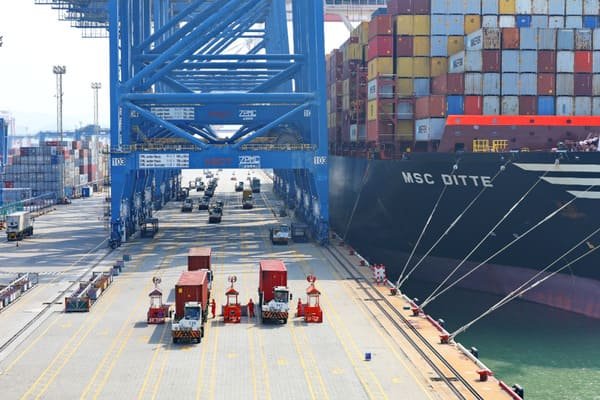
Over the years, I have worked with many clients who were flagged for what seemed like minor issues. But to customs, these small things can point to bigger problems. Most inspections are not bad luck; they are a result of something in the paperwork or shipment profile that catches the attention of their automated system. The good news is that you have a lot of control over these triggers.
Here are the top red flags that can lead to an inspection.
1. Inaccurate or Incomplete Paperwork
This is the number one reason for exams6. Any mismatch between your Importer Security Filing (ISF), Bill of Lading (B/L), and Commercial Invoice can trigger an inspection. For example, if your ISF lists 500 cartons but the carrier manifest shows 501, that is an immediate red flag.
2. HS Code and Valuation Issues
Customs is focused on collecting the correct amount of duties and taxes. If you use an HS code that carries a lower duty rate than what seems appropriate for your product, their system will flag it. The same goes for declaring a value that is suspiciously low for the goods you are importing.
3. Vague Product Descriptions
Describing your goods as "general merchandise" or "parts" is a sure way to get a closer look. You need to be specific.
| Vague Description | Specific Description |
|---|---|
| "Auto Parts" | "Toyota Camry Front Brake Pads, Part #12345" |
| "Apparel" | "100% Cotton Men's T-Shirts, Blue, Size L" |
| "Gifts" | "Ceramic Coffee Mugs, 12 oz, White" |
4. Shipper or Importer History
If you are a first-time importer, you are more likely to be inspected7. Customs doesn't have a history with you, so they will want to verify that you are compliant from the start. Similarly, if your supplier has a history of violations, shipments from them will face more scrutiny.
5. High-Risk Commodities8
Certain products are inherently more likely to be inspected. This includes food products, pharmaceuticals, chemicals, textiles, and products subject to anti-dumping duties. If you import these items, you should always be prepared for an exam.
How Long Do Customs Exams Really Take – and What Causes Delays?
Are shipment delays from customs exams causing you to miss deadlines? Waiting for your cargo to be released can be incredibly stressful, especially when you have customers waiting for their orders.
A simple X-ray might only delay your shipment by a couple of days. However, a full intensive exam can take a week or even several weeks, especially if the port or exam station is congested. These timelines are not guaranteed and can change without notice.
The stated timeline for an exam is just one part of the delay. The entire process involves multiple steps, and each one can add days to your schedule. The container has to be moved from the port terminal to the examination station, wait in line to be inspected, undergo the exam, and then be moved back to the terminal. I always advise my clients to build a buffer of at least two to three weeks into their supply chain schedule. This way, if an exam happens, it's a manageable inconvenience, not a complete disaster.
Let's look at what contributes to the overall timeline.
The Exam Process Steps
- Notice and Hold: The process starts when customs places a hold on your container at the port.
- Drayage to CES9: A trucking company must be hired to move your container from the port to a separate Centralized Examination Station (CES). This alone can take a day or two depending on truck availability.
- Waiting in Line: Your container doesn't get inspected right away. It waits in a queue at the CES. During busy periods, this wait can be several days.
- The Exam: The actual inspection time varies by type. A VACIS scan is quick, but an intensive exam can take days to unload, inspect, and reload.
- Release and Drayage Back: Once customs releases the hold, the container must be moved back to the port terminal to continue its journey.
| Factor | Potential Delay |
|---|---|
| Port Congestion | 1-3 days |
| Trucker Availability | 1-2 days |
| CES Backlog | 2-10 days |
| Holiday/Weekend | 1-3 days |
These variables can quickly add up. A 7-day intensive exam can easily become a 15-day delay from start to finish.
Who Really Bears Customs Exam Costs – Are You Responsible for the Fees?
Have you ever been hit with a large, unexpected bill after a customs exam? Finding out that you owe hundreds or thousands of dollars in extra fees can be a painful shock.
Yes, the importer of record is responsible for all costs associated with a customs exam. This is true even if the inspection finds no violations. These fees are not charged by customs but by the private companies that operate the exam stations10 and handle the logistics.

This is one of the hardest lessons for new importers. People assume that if they did nothing wrong, they shouldn't have to pay. Unfortunately, that is not how it works. The costs for moving your container and for the labor to unload and reload it all fall on you. These fees are separate from any duties or taxes. The only exception is if you have negotiated a Delivered Duty Paid (DDP) shipping term where the seller explicitly agrees in writing to cover these specific costs, which is rare.
Let's break down the bill you might receive.
1. CES Exam Fees
This is the fee charged by the Centralized Examination Station for the physical inspection service. The cost varies based on the type of exam and the labor involved. An intensive exam fee is much higher than a VACIS fee.
2. Drayage Fees
This is the charge from the trucking company to move your container from the port to the CES and back again. This can be several hundred dollars depending on the distance and local trucking rates.
3. Demurrage and Per Diem Charges11
If the exam process takes longer than the "free time" allowed by the shipping line and the port, you will start to incur daily fees.
- Demurrage: A fee for using the container while it's inside the port terminal beyond the free days.
- Per Diem: A fee for using the container while it's outside the port (e.g., at the CES) beyond the free days.
These charges can add up very quickly, sometimes exceeding $100-200 per day.
| Fee Type | Typical Cost Range (USD) |
|---|---|
| CES Exam Fee | $150 - $1,500+ |
| Drayage (Round Trip) | $300 - $800 |
| Demurrage / Per Diem | $75 - $250 per day12 |
Budgeting for a potential exam is a crucial part of a smart import strategy.
Conclusion
Customs exams are a costly but manageable part of international shipping. Clean documentation and proper compliance are your best defense, but you should always prepare for the inevitable exam.
"User Fee Table", https://www.cbp.gov/trade/basic-import-export/user-fee-table. A source from U.S. Customs and Border Protection (CBP) or the Code of Federal Regulations (e.g., 19 CFR § 151.6) can confirm that the importer of record is responsible for all expenses incurred during the examination of their cargo, including transportation to an exam site and labor costs. Evidence role: general_support; source type: government. Supports: The claim that the importer of record is legally responsible for all costs related to the examination of merchandise.. ↩
"Cargo Examination | U.S. Customs and Border Protection", https://www.cbp.gov/border-security/ports-entry/cargo-security/examination. A report from a logistics platform or trade association can provide data on the range of fees charged by Centralized Examination Stations (CES) and drayage companies, supporting the stated cost range for different exam types. Evidence role: statistic; source type: research. Supports: The claim that customs exam costs can vary widely, from a few hundred to several thousand dollars.. Scope note: The source provides examples of typical costs, but actual fees vary significantly by port, exam type, and market conditions. ↩
"Cargo Examination | U.S. Customs and Border Protection", https://www.cbp.gov/border-security/ports-entry/cargo-security/examination. Official documentation from U.S. Customs and Border Protection (CBP) can describe the different levels of cargo examination, from non-intrusive inspection (NII) technologies like X-ray (VACIS) to comprehensive physical (intensive) exams. Evidence role: definition; source type: government. Supports: The claim that customs inspections are commonly categorized into several types, including non-intrusive scans and physical examinations.. Scope note: CBP may use slightly different terminology or have additional, less common exam types not covered in the article. ↩
"U.S. Customs Service: OR&R Needs to Resolve Timeliness ...", https://www.gao.gov/products/ggd-00-181. Industry reports or data from freight forwarders can provide statistics on average wait times and processing durations for intensive exams at major U.S. ports, corroborating the stated timeline. Evidence role: statistic; source type: research. Supports: The claim that intensive exams can lead to delays ranging from one week to over a month.. Scope note: These timelines are averages and can fluctuate significantly based on port congestion, staffing levels, and the specific nature of the shipment. ↩
"DHS/CBP/PIA-006 Automated Targeting System", https://www.dhs.gov/publication/automated-targeting-system-ats-update. Information from U.S. Customs and Border Protection or the Department of Homeland Security can confirm the use of the Automated Targeting System (ATS), which uses risk-based rules and intelligence to identify cargo that warrants examination. Evidence role: mechanism; source type: government. Supports: The claim that customs agencies use a complex, data-driven system to flag high-risk shipments for inspection.. ↩
"Stats and Summaries", https://www.cbp.gov/newsroom/stats. A report from a trade compliance organization or a government audit could provide data showing that a high percentage of customs holds are initiated due to discrepancies in documents like the ISF, Bill of Lading, and Commercial Invoice. Evidence role: statistic; source type: research. Supports: The claim that paperwork discrepancies are a leading cause of customs examinations.. Scope note: The source may not explicitly state this is the 'number one' cause but can confirm it is a primary and frequent trigger for inspections. ↩
"Audits and Risk Analysis and Survey Assessments", https://www.cbp.gov/trade/programs-administration/audits/quick-response-audits. A source from a customs agency or trade expert can explain that an importer's history is a key element in risk assessment, and a lack of established compliance history may lead to increased scrutiny for initial shipments. Evidence role: general_support; source type: government. Supports: The claim that being a new or infrequent importer is a risk factor that can increase the likelihood of an inspection.. ↩
"Agriculture Trade and Cargo", https://www.cbp.gov/border-security/protecting-agriculture/agriculture-trade-and-cargo. Information from U.S. Customs and Border Protection or Partner Government Agencies (e.g., FDA, USDA) can confirm that commodities like food, drugs, and certain textiles are considered high-risk and are targeted for inspection to ensure safety, compliance, and proper duty collection. Evidence role: case_reference; source type: government. Supports: The claim that specific categories of goods are subject to a higher rate of inspection.. ↩
"Cargo Examination | U.S. Customs and Border Protection", https://www.cbp.gov/border-security/ports-entry/cargo-security/examination. A CBP directive or informational publication can outline the standard procedure for intensive exams, which involves moving the container to a Centralized Examination Station (CES) at the importer's expense. Evidence role: mechanism; source type: government. Supports: The claim that containers selected for intensive exams must be transported by truck (drayage) from the port terminal to an off-site examination facility.. ↩
"19 CFR Part 118 -- Centralized Examination Stations", https://www.ecfr.gov/current/title-19/chapter-I/part-118. U.S. Customs and Border Protection regulations (e.g., 19 CFR Part 118) can confirm that CESs are privately operated businesses authorized by CBP to conduct examinations, and that they bill the importer directly for handling and service fees. Evidence role: definition; source type: government. Supports: The claim that Centralized Examination Stations (CES) are privately owned and operated facilities that charge fees for their services.. ↩
"FMC Publishes Final Rule on Detention and Demurrage ...", https://www.fmc.gov/articles/fmc-publishes-final-rule-on-detention-and-demurrage-billing-practices/. A source such as the Federal Maritime Commission or an international shipping body can define demurrage as the fee for container use within a terminal beyond free time, and per diem as the fee for use outside the terminal, both of which can be incurred during a prolonged customs exam. Evidence role: definition; source type: institution. Supports: The claim that customs delays can result in demurrage and per diem fees.. ↩
"Per diem rates", https://www.gsa.gov/travel/plan-a-trip/per-diem-rates. Industry research, such as annual reports on container logistics, can provide data on the average daily rates for demurrage and per diem charges across various ports and shipping lines, supporting the stated cost range. Evidence role: statistic; source type: research. Supports: The claim that daily demurrage and per diem fees typically fall within the $75 to $250 range.. Scope note: These rates are highly variable and can be significantly higher depending on the carrier, port congestion, and equipment availability. ↩