
Are your goods arriving damaged from moisture? Longer sea voyages, like the current Red Sea diversions, increase this risk, turning your profits into losses. You can stop this.
The best way to prevent container condensation and mold is by using industrial-strength desiccants, ensuring your cargo and packaging are completely dry before loading, and selecting a clean, sound container.1 An experienced freight forwarder can manage these steps to protect your shipment from moisture damage.
Longer transit times mean your container goes through more day-and-night temperature swings. This is the root cause of moisture problems. I've seen too many clients lose money on damaged goods, and it's almost always preventable. Understanding why it happens is the first step to making sure it never happens to your cargo again. Let's break down the problem so you can build a solid defense.
Why Does Container Condensation Happen on Long Routes?
You open your container and find everything damp or moldy. It's a frustrating and costly surprise. But understanding the simple science behind it gives you the power to prevent it.
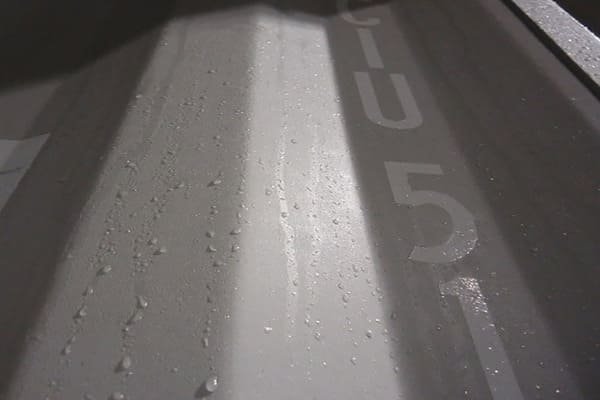
Container condensation, or "container rain," happens when temperature changes cause moisture in the air to turn into water.2 This water drips from the ceiling and walls onto your cargo. Longer routes mean more temperature cycles, dramatically increasing the risk of this happening.
This is a problem I see often, especially with shipments crossing different climate zones. A client of mine was shipping wooden furniture to the U.S. The longer route around Africa meant the container spent weeks going from hot days to cool nights. By the time it arrived, the beautiful wood was warped and stained with mold. The cause wasn't a leak; it was the air inside the container.
The Science of "Container Rain"
The process is simple. Warm air can hold more moisture than cold air.
- Daytime: The sun heats the container. The air and cargo inside get warm, and any moisture from the products, pallets, or even the air itself turns into water vapor.
- Nighttime: The outside temperature drops. The metal container walls cool down much faster than the air inside.
- Condensation: When the warm, moist air inside touches the cold container walls and ceiling, it cools rapidly. It can no longer hold all its moisture, so the water vapor turns back into liquid water droplets. This is the "dew point."3 These droplets then drip down, ruining your shipment.
The longer the voyage, the more times this cycle repeats.
| Factor | Standard Route (e.g., 25 Days) | Long Diversion Route (e.g., 40 Days) |
|---|---|---|
| Temperature Cycles | ~25 cycles | ~40 cycles |
| Moisture Buildup | Moderate Risk | High to Very High Risk |
| Exposure to Humidity | Shorter duration | Extended duration in humid zones |
| Mold Growth Potential | Present | Significantly Increased |
How Can You Prevent Moisture & Mold in Containers?
Worried your next shipment will be a moldy mess? This fear can lead to rejected goods and huge financial losses. Luckily, a few proactive steps can save your cargo.
The most effective prevention methods are using desiccants to absorb moisture, choosing dry packaging materials, and ensuring the container is clean and dry before loading. For very sensitive goods, consider using ventilated or specialized containers to further reduce risk.4
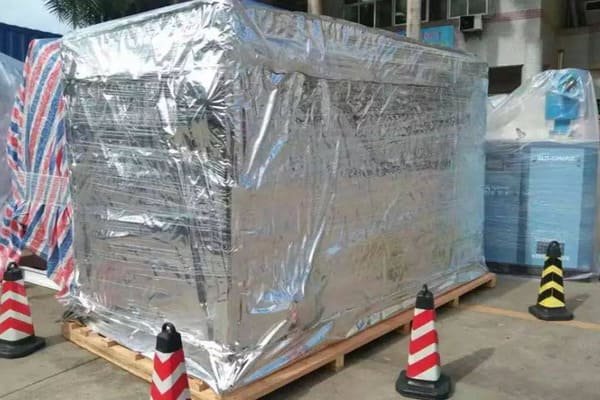
I always tell my clients that an ounce of prevention is worth a pound of cure, and it's absolutely true in logistics. You have control over what goes inside your container. Taking a few extra minutes to prepare your cargo and inspect the container can be the difference between a successful delivery and a total loss. I've created a simple checklist that we use to guide our clients through this critical process.
Your Pre-Shipment Checklist
Follow these steps to give your cargo the best possible protection.
1. Prepare Your Cargo and Packaging
- Check Moisture Content: Your products, especially things like wood, textiles, paper, and agricultural goods, contain moisture. Use a moisture meter to ensure they are as dry as possible before packing.
- Use Dry Packaging: Cardboard boxes and wooden pallets can hold a surprising amount of water. Don't load on a rainy day if you can avoid it. Use plastic pallets or certified heat-treated (HT) wood pallets, which are drier.
2. Inspect and Prepare the Container
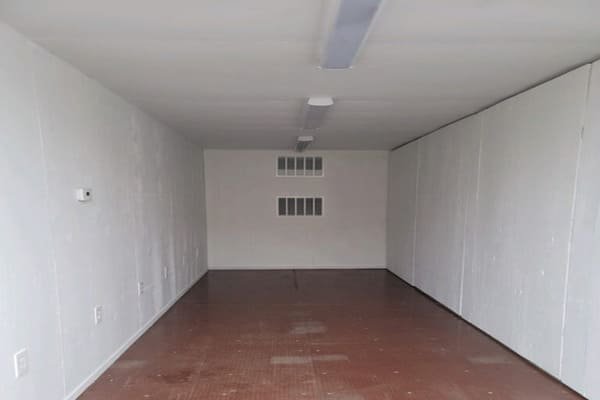
- The "Light Test": Before you load anything, step inside the empty container and have someone close the doors. If you see any light coming through, there are holes. Reject that container immediately.
- Check for Cleanliness: Make sure the container is completely dry and clean inside. Any leftover moisture or organic material from a previous shipment can contribute to mold.
3. Add Protective Measures
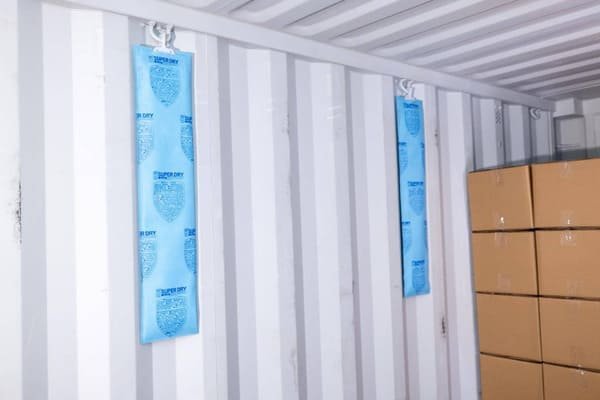
- Use Desiccants: These are your best defense. They actively absorb moisture from the air. Calcium chloride desiccants are much more effective than standard silica gel for containers.5
| Container Size | General Cargo | Moist Cargo (Wood, Paper) |
|---|---|---|
| 20ft | 6-8 kg of desiccants | 10-14 kg of desiccants |
| 40ft | 12-16 kg of desiccants | 20-28 kg of desiccants |
- Consider Container Liners: A liner acts like a bag inside the container, providing an extra barrier between your cargo and the container walls where condensation forms.
How Do Freight Forwarders Reduce Moisture Risk?
Trying to manage all these moisture-prevention details is overwhelming. Making one small mistake can cost you the entire shipment. The solution is to let an experienced partner handle it.
A good freight forwarder reduces moisture risk by selecting the right container, advising on packing and desiccant use, and planning the best route. We coordinate every step to ensure your cargo is handled correctly from start to finish.
At DeepLinker, this is a core part of our service. We don't just move boxes; we protect your investment. We act as your risk manager. For example, when shipping sensitive electronics, we know that standard containers won't do. We source specialty containers and map out a plan that includes everything from the type of desiccant to the way the cargo is loaded. We take the guesswork out of the equation for you.
The Forwarder's Advantage
Working with an expert partner brings a level of security that is hard to achieve on your own. We have the experience and resources to anticipate problems before they happen.
Expert Consultation
We start by understanding your product. Is it wood? Metal? Textiles? Each has a different risk profile. Based on your cargo and the route, we provide a tailored moisture-prevention plan. This isn't just a suggestion; it's a strategy built on years of experience preventing these exact issues.
Resource Management
We have established relationships with carriers and depots. This means we can secure high-quality, clean, and dry containers for your shipment.
Proactive Coordination
Delays are a major enemy in the fight against moisture. A container sitting at a port for an extra week is a container going through more temperature cycles. We manage documentation and customs clearance efficiently to keep your cargo moving. If a delay is unavoidable, we know the risks and can sometimes arrange for extra measures.
| Action | Shipping DIY | With an Expert Forwarder (like DeepLinker) |
|---|---|---|
| Container Selection | You get what's available | We inspect and select a clean, dry, sound unit |
| Desiccant Choice | Guesswork, often under-used | Precise calculation based on cargo, route, and transit time |
| Loading Plan | Focus on space | Focus on space AND airflow to reduce moisture pockets |
| Problem Solving | You're on your own when issues arise | We proactively manage risks and have contingency plans |
Conclusion
Longer sea routes increase moisture risk, but damage is not inevitable. With the right preparation, packing, and an expert logistics partner, you can protect your cargo and your profits.
[Virginia Tech Unit Load Lab – Moisture in Sea Containers (White Paper)](https://unitload.vt.edu/education/white-papers/3-wp-moisture-in-sea-containers.html) ↩
[Virginia Tech Unit Load Lab – Moisture in Sea Containers (White Paper)](https://unitload.vt.edu/education/white-papers/3-wp-moisture-in-sea-containers.html) ↩
[Wikipedia – Dew Point](https://en.wikipedia.org/wiki/Dew_point) ↩
[GDV Container Handbook – Ventilation and Container Types](https://www.container-handbook.com/chb_e/wubbke/index.html) ↩
[Virginia Tech Unit Load Lab – Desiccants and Moisture Control in Containers](https://unitload.vt.edu/education/white-papers/3-wp-moisture-in-sea-containers.html) ↩