
Shipping e-scooters from China seems simple, but hidden rules can cause major delays. Don't let compliance issues disrupt your business. A clear plan makes the process smooth and predictable.
To ship electric scooters from China, you must classify them as dangerous goods due to their lithium batteries. Prepare essential documents like the MSDS1 and UN38.3 test report2, choose between sea or air freight, and partner with a freight forwarder specializing in battery products to ensure compliance.
This process might sound complex, but it's very manageable once you understand the key steps. I've helped countless clients navigate these rules, and it always comes down to getting the details right from the start. This guide will walk you through everything you need to know to get your electric scooters from the factory to your warehouse without any surprises. Let's dive in.
How are electric scooters classified for shipping, and what regulations apply?
Wondering why shipping an e-scooter is more complex than shipping a regular scooter? The regulations are strict. Misclassifying your shipment can lead to carrier rejection, costing you valuable time and money.
Electric scooters are classified as dangerous goods (DG) because of their lithium-ion batteries. They fall under UN31713, "Battery-powered vehicle." Shippers must comply with the International Maritime Dangerous Goods (IMDG) Code for sea freight and IATA Dangerous Goods Regulations4 (DGR) for air freight.
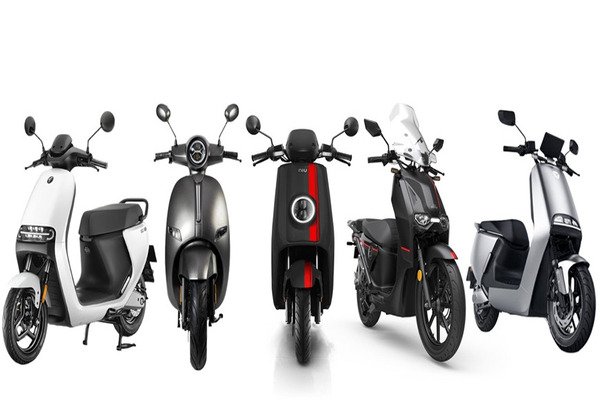
Let's break down what this classification really means for your shipment. The core issue is the lithium-ion battery. These batteries are powerful and efficient, but they also carry a risk of fire if they are damaged or short-circuited. That's why international transport bodies have created strict rules to ensure they are shipped safely.
Why Lithium Batteries are Dangerous Goods
I remember a case early in my career where a client tried to ship e-scooters without declaring the batteries. The shipment was flagged during a random inspection, and the entire container was held for weeks. The client faced heavy fines and a damaged relationship with their buyer. This is why these rules exist—to prevent accidents that can endanger cargo, vessels, and lives. Your e-scooter is treated not just as a vehicle, but as a hazardous item that needs special handling.
Key Regulatory Bodies and Codes
Two main sets of rules govern the transport of dangerous goods globally. You need to know which one applies to your shipping method.
| Regulatory Body | Code Name | Used For | Key Requirement |
|---|---|---|---|
| International Maritime Organization (IMO) | IMDG Code | Sea Freight | Proper labeling, packaging, and stowage on the vessel. |
| International Air Transport Association (IATA) | DGR | Air Freight | Stricter battery limits, packaging, and airline approval. |
What is UN31713?
This is the specific UN number assigned to battery-powered vehicles like electric scooters. When you or your freight forwarder prepare the shipping documents, this is the number you will use. It tells the carrier, customs, and port authorities exactly what is inside the box and what safety protocols to follow. Getting this classification right is the foundation of a successful, compliant shipment.
Should you use sea or air freight for shipping electric scooters?
Choosing between sea and air freight for your e-scooters can be a tough call. The wrong choice could mean paying too much for a bulk order or waiting too long for an urgent sample. Let's compare the two so you can decide what's best for your business needs.
Sea freight is the most cost-effective and common method for bulk electric scooter shipments. Air freight is faster but much more expensive and has stricter battery regulations. It's best used for small, urgent orders or samples, but only if the airline accepts the shipment.
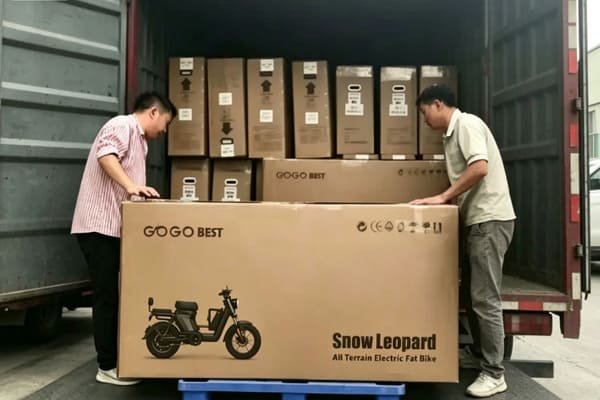
The decision between sea and air freight usually comes down to three factors: cost, speed, and volume. I always tell my clients to think about their business priorities. Is your main goal to keep costs low for a large inventory order, or do you need to get a few units to a trade show as quickly as possible? Your answer will point you in the right direction.
The Case for Sea Freight
For almost all commercial shipments of electric scooters, sea freight is the way to go. It is dramatically cheaper per unit, especially when you are shipping dozens or hundreds of scooters in a full container (FCL) or even as part of a shared container (LCL). While the transit time is longer, typically 30-40 days to the US or Europe, the cost savings are significant. This allows you to maintain a healthy profit margin. The IMDG code for sea freight is also more accommodating for larger batteries compared to the strict rules for air transport.
When to Consider Air Freight
Air freight is all about speed. If you need to get a few demo units to a potential buyer or fulfill a small, high-priority order, air freight can deliver in a matter of days. However, this speed comes at a very high price. More importantly, shipping products with lithium batteries by air is extremely restrictive. Many passenger airlines will not carry them, and even cargo airlines have strict limits on battery size and packaging. You must have all your documentation, like the UN38.3 report, in perfect order.
A Cost and Time Comparison
To make it clearer, here is a simple breakdown.
| Factor | Sea Freight | Air Freight |
|---|---|---|
| Cost | Low | High (5-10x more than sea) |
| Transit Time | Long (3-6 weeks) | Fast (3-7 days) |
| Volume | Ideal for large shipments | Best for small, light shipments |
| Regulations | Less restrictive on batteries | Very strict on batteries |
I once had a client who insisted on air freight for 100 scooters right before a holiday. The cost was huge, and we had to split the shipment across multiple flights due to battery limits. They learned that for bulk orders, planning ahead for sea freight is always the smarter business decision.
What packaging and documents are needed for compliant e-scooter shipping?
Getting your paperwork and packaging right can feel like a huge task. But a single missing document or a weak box can get your entire shipment stopped at the port. Here’s a clear checklist of what you absolutely need to prepare for a compliant and safe shipment.
You need strong, certified packaging with correct dangerous goods labels. Key documents include the Material Safety Data Sheet (MSDS), UN38.3 test report for the battery, and a Shipper's Declaration for Dangerous Goods. These prove the shipment is safe and compliant for transport.

From my experience, documentation is where most shipments run into trouble. It’s not the part of the process that business owners get excited about, but it's the most critical. Carriers and customs officials will not take any risks with dangerous goods. They need proof that your products have been tested and are safe to transport. Providing this proof is your responsibility.
Essential Documentation Checklist
Before you even book your shipment, you need to get these documents from your supplier. If a supplier cannot provide them, that is a major red flag.
- Material Safety Data Sheet (MSDS): This document provides detailed information about the chemical properties of the lithium battery. It includes handling, storage, and emergency procedures. Think of it as the battery's safety manual.
- UN38.3 Test Report: This is non-negotiable. The UN38.3 report is a certificate proving the battery has passed a series of rigorous tests to ensure it can withstand the shocks, vibrations, and pressure changes of shipping. Without it, no airline or shipping line will accept your cargo.
- Shipper's Declaration for Dangerous Goods5: This is a formal declaration you or your freight forwarder will complete. It states that the shipment has been packed, labeled, and declared according to international regulations.
Proper Packaging and Labeling
The scooter must be packaged to prevent it from moving or turning on accidentally during transit.
- Strong Outer Box: Use a sturdy, double-walled cardboard box.
- Internal Protection: Secure the scooter with foam or other padding to prevent any movement.
- Battery Protection: The battery should be secured within the scooter, and terminals should be protected against short-circuiting.
- Required Labels: The outside of the box must have the correct dangerous goods labels, including the Class 9 Miscellaneous Dangerous Goods label and the UN31713 marking.
I always advise clients to ask their suppliers for photos of the packaging before it ships. A simple photo can confirm that all the right labels are in place and prevent a major headache at the port.
What are the common challenges when shipping e-scooters and how can you avoid them?
Even with perfect planning, things can sometimes go wrong when you're shipping dangerous goods. Unexpected customs holds, rejected shipments, or hidden fees can disrupt your supply chain. Let's look at the most common pitfalls and how you can avoid them with the right preparation.
Common challenges include customs delays from incorrect paperwork, carrier rejection due to non-compliance, and damage from poor packaging. To avoid these, verify all documents with your supplier, use a freight forwarder experienced with dangerous goods, and ensure packaging is robust and correctly labeled.
Over the years, I've seen a few common problems come up again and again. The good news is that they are almost always preventable. The key is to be proactive and work with a logistics partner who knows what to look for. Don't wait for a problem to happen; prepare in advance to make sure it doesn't.
The Risk of Incomplete or Incorrect Documents
This is the number one cause of shipping delays. A simple mistake on the Shipper's Declaration or an outdated MSDS can get your shipment flagged for inspection. Customs officials are trained to spot inconsistencies. My advice is simple: always ask your supplier for the MSDS and UN38.3 report before you pay the final balance. This confirms they have the necessary certifications to export the product legally. My team and I always double-check every document before we book a shipment. It’s a simple step that prevents huge problems down the line.
Carrier Rejection and How to Prevent It
Shipping lines and airlines have the right to refuse any shipment they believe is unsafe or non-compliant. They will reject cargo if the packaging is damaged, the labels are incorrect, or the paperwork is missing. To prevent this, make sure your supplier uses strong, UN-certified packaging. It costs a little more, but it’s much cheaper than having a shipment rejected and returned to the factory.
Navigating Customs Inspections
Even with perfect paperwork, your shipment might be randomly selected for inspection. If this happens, having a knowledgeable freight forwarder is essential. We can communicate directly with customs agents, provide any additional information they need, and work to get your cargo released as quickly as possible.
Here’s a quick guide to avoiding these issues:
| Common Problem | How to Avoid It |
|---|---|
| Missing UN38.3 Report | Get a valid copy from the supplier before you pay. |
| Weak or Improper Packaging | Insist on certified DG packaging and ask for photos. |
| Incorrect DG Declaration | Work with an experienced forwarder to prepare all documents. |
| Customs Holds | Ensure all documents are accurate and consistent. |
Conclusion
Shipping electric scooters is manageable with the right knowledge. Focus on compliance, proper documentation, and an experienced logistics partner to ensure your cargo arrives safely and on time.
Learn about the MSDS and its role in ensuring safe handling of hazardous materials. ↩
Discover the significance of the UN38.3 test report in shipping lithium batteries safely. ↩
Understand the meaning of UN3171 and its relevance to battery-powered vehicles. ↩
Explore IATA regulations to ensure compliance when shipping dangerous goods by air. ↩
Learn about the Shipper's Declaration and its role in shipping compliance. ↩