
How to Ship Electronics from Huaqiangbei Shenzhen1 to Overseas Markets: A Complete Logistics Guide
For many international buyers, Huaqiangbei Shenzhen is one of the first destinations when sourcing electronics from China.
From smartphones and accessories to smart devices, electronic components, and battery-powered products, thousands of buyers visit Huaqiangbei every year to find competitive products and reliable suppliers.
However, after purchasing products, many overseas buyers face another important challenge:
How can I ship electronics from Huaqiangbei to my country safely, quickly, and cost-effectively?
Unlike ordinary products, electronics shipments often involve multiple suppliers, strict documentation requirements, lithium battery regulations, and customs compliance issues.
This guide explains the complete process of shipping electronics from Huaqiangbei Shenzhen, including supplier consolidation, shipping methods, battery product transportation, and international logistics solutions.
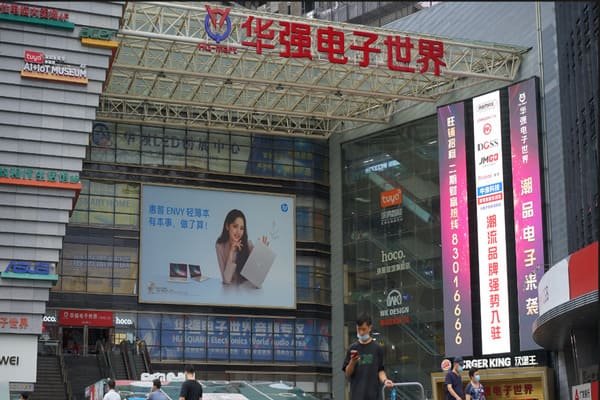
Why Overseas Buyers Source Electronics from Huaqiangbei Shenzhen?
Located in Shenzhen, Guangdong Province, Huaqiangbei is one of the world's most famous electronics trading areas.
It connects international buyers with thousands of suppliers offering:
- Mobile phone accessories
- Chargers and cables
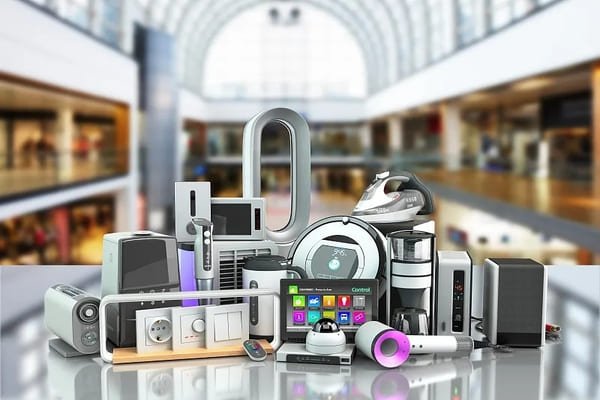
- Consumer electronics
- Smart watches
- Computer components
- IoT devices
- Electronic parts
- Battery-powered products
Many overseas buyers choose Huaqiangbei because of its advantages:
1. Wide Range of Electronics Products
Buyers can find almost every type of electronic product in one location.
Instead of contacting multiple manufacturers in different cities, many importers can compare products, prices, and suppliers directly in Huaqiangbei.
2. Flexible Purchasing Quantities
Compared with traditional factory orders, Huaqiangbei suppliers often provide more flexible purchasing options.
This makes it attractive for:
- Small and medium distributors
- E-commerce sellers
- Retail businesses
- New product testing companies
3. Fast Product Sourcing
Shenzhen has a complete electronics supply chain2, including:
- Component suppliers
- Assembly factories
- Packaging companies
- Logistics providers
This allows buyers to source and ship products efficiently.
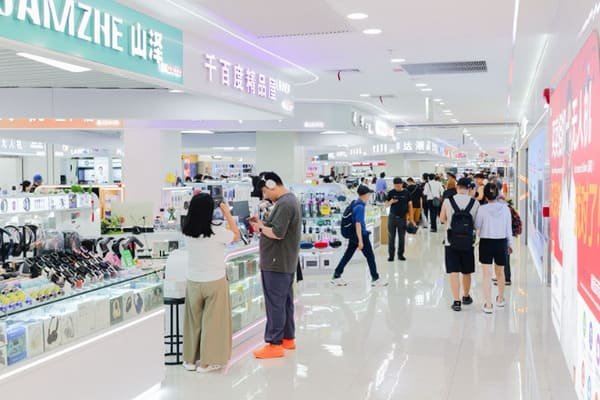
Common Shipping Challenges When Buying Electronics from Huaqiangbei
Although purchasing electronics from Huaqiangbei is convenient, international transportation can become complicated.
Here are the most common challenges overseas buyers face.
1. Multiple Suppliers Need Shipment Consolidation
Many international buyers purchase different products from multiple Huaqiangbei suppliers.
For example:
Supplier A:
- 1,000 Bluetooth earphones
Supplier B:
- 500 charging cables
Supplier C:
- 300 smart watches
If each supplier ships separately, buyers may face:
- Higher shipping costs
- Multiple customs documents
- Difficult shipment management
- Increased import risks
A professional freight forwarder can provide a China consolidation warehouse service.
The process usually works like this: Multiple Suppliers → China Consolidation Warehouse → Product Inspection → Package Consolidation → International Shipping → Destination Delivery
With consolidation service, buyers can combine products from different suppliers into one shipment.
This reduces transportation costs and simplifies customs procedures.
2. Lithium Battery Products Require Special Handling
Many electronics products contain lithium batteries, including:
- Power banks
- Wireless headphones
- Smart watches
- Bluetooth speakers
- Drones
- Portable devices
Lithium battery shipments are classified as regulated cargo3 because batteries may create safety risks during transportation.
Before shipping, buyers may need documents such as:
- MSDS (Material Safety Data Sheet)4
- UN38.3 Test Report5
- Battery specifications
- Product information
- Proper packaging requirements
For international lithium battery transportation standards, buyers can refer to the regulations published by:
International Air Transport Association (IATA)
Choosing an experienced freight forwarder is important because incorrect documentation may cause:
- Shipment delays
- Cargo rejection
- Customs problems
- Additional costs
A freight forwarder with dangerous goods experience can help review documents and select suitable transportation solutions.
3. Product Inspection Before Shipment
When buying electronics from overseas suppliers, quality control is another important concern.
Before shipment, many buyers prefer to check:
- Product quantity
- Packaging condition
- Product appearance
- Accessories completeness
- Shipping labels
A warehouse inspection service helps reduce risks before goods leave China.
Typical inspection steps include: Supplier Delivery → Warehouse Receiving → Quantity Checking → Photo Confirmation → Final Shipment
This is especially useful when purchasing from multiple Huaqiangbei suppliers.
Choosing the Right Shipping Method for Electronics from Shenzhen
The best shipping method depends on:
- Shipment volume
- Product value
- Delivery deadline
- Destination country
- Product type
Air Freight
Best for:
- High-value electronics
- Urgent orders
- Small and medium shipments
Advantages:
✓ Fast delivery
✓ Better for valuable products
✓ Suitable for product launches
Typical transit time:
Sea Freight
Best for:
- Large quantity orders
- Wholesale shipments
- Distributor inventory
Advantages:
✓ Lower transportation cost
✓ Suitable for bulk cargo
✓ Flexible container options
Typical transit time:
Rail Freight
For some regions, especially Europe and Central Asia, rail transportation can provide a balance between cost and speed8.
Advantages:
✓ Faster than sea freight
✓ Cheaper than air freight
✓ Suitable for larger shipments
Express Shipping
Best for:
- Samples
- Small quantities
- Product testing
Advantages:
✓ Fast delivery
✓ Simple operation
However, express shipping is usually not economical for bulk electronics orders.
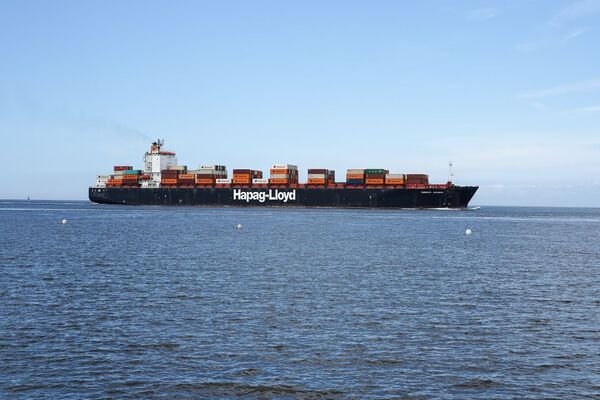
Complete Process: Shipping Electronics from Huaqiangbei Shenzhen
The typical logistics process includes the following steps:
Step 1: Purchase Electronics from Huaqiangbei Suppliers
Buyers select products and suppliers based on:
- Product requirements
- Quantity
- Price
- Delivery schedule
Step 2: Supplier Sends Products to Warehouse
Instead of shipping every order separately, suppliers deliver products to a local warehouse.
The warehouse can receive products from different suppliers.
Step 3: Inspection and Consolidation
The warehouse team checks:
- Quantity
- Packaging
- Product condition
Then products are consolidated into one shipment.
Step 4: Prepare Export Documents
Common export documents include:
For battery products:
- MSDS
- UN38.3 documents
may also be required.
Step 5: International Transportation
Based on your requirements, cargo can be shipped by:
- Sea freight
- Air freight
- Rail freight
- Road transportation
Step 6: Destination Customs Clearance
After arrival, the shipment goes through import procedures according to local regulations.
Importers should prepare:
- Import documents
- Product certificates (if required)
- Customs information
Documents Required for Shipping Electronics from China
Before shipping electronics internationally, buyers should prepare proper documentation.
Common documents include:
| Document | Purpose |
|---|---|
| Commercial Invoice | Declares product value and transaction details |
| Packing List | Provides shipment packaging information |
| HS Code | Determines customs classification |
| Certificate of Origin10 | Shows product origin when required |
| MSDS | Required for some battery products |
| UN38.3 Report | Required for lithium battery transportation |
Incorrect documentation is one of the most common reasons for customs delays11.
Why Choose a Shenzhen Freight Forwarder for Electronics Shipping?
Working with a local Shenzhen freight forwarder provides several advantages.
Local Supplier Coordination
A Shenzhen-based logistics partner can communicate directly with suppliers and arrange cargo collection.
Consolidation Service
Buyers can combine products from multiple Huaqiangbei suppliers into one shipment.
Electronics Shipping Experience
Professional freight forwarders understand:
- Electronics packaging requirements
- Battery transportation regulations
- Export procedures
- International shipping routes
Dangerous Goods Experience
For battery-powered electronics, experience with dangerous goods transportation can help reduce shipping risks.
FAQ: Shipping Electronics from Huaqiangbei Shenzhen
1. Can I ship electronics with lithium batteries from Shenzhen?
Yes, but lithium battery products require proper documentation and transportation procedures.
Documents such as MSDS and UN38.3 reports may be required depending on the product and shipping method.
2. What is the cheapest way to ship bulk electronics from China?
For large-volume shipments, sea freight is usually the most cost-effective solution.
For urgent or high-value products, air freight may be more suitable.
3. Can a freight forwarder help collect products from Huaqiangbei suppliers?
Yes. Many freight forwarders provide supplier pickup and warehouse consolidation services in Shenzhen.
4. How long does it take to ship electronics from Shenzhen?
The delivery time depends on the shipping method and destination.
Generally:
- Air freight: 5-10 days
- Sea freight: 25-45 days
- Rail freight: 15-25 days12 (depending on route)
Conclusion: Make Your Huaqiangbei Electronics Purchase Easier with Professional Logistics Support
Buying electronics from Huaqiangbei Shenzhen provides overseas buyers with access to one of the world's largest electronics supply chains.
However, successful international purchasing requires more than finding suppliers.
You also need a reliable logistics solution to handle:
- Supplier collection
- Cargo consolidation
- Export documentation
- Battery product transportation
- International shipping
A professional Shenzhen freight forwarder can help you move electronics from China to your destination safely and efficiently.
If you are sourcing electronics from Huaqiangbei and need a customized shipping solution, contact our logistics team for professional support.
"Huaqiangbei", https://en.wikipedia.org/wiki/Huaqiangbei. Provides context on Huaqiangbei's history and its reputation as one of the world's largest electronics markets, often referred to as the 'Silicon Valley of Hardware.' Evidence role: historical_context; source type: encyclopedia. Supports: That Huaqiangbei is a world-renowned electronics marketplace.. ↩
"Pearl River Delta", https://en.wikipedia.org/wiki/Pearl_River_Delta. Describes the integrated nature of Shenzhen's electronics industry, detailing its dense network of component suppliers, assembly factories, design houses, and logistics providers that form a comprehensive industrial cluster. Evidence role: general_support; source type: research. Supports: That Shenzhen possesses a highly integrated and comprehensive electronics supply chain.. Scope note: While sources confirm the comprehensive and integrated nature of the supply chain, they may not use the exact superlative 'complete'. ↩
"Transporting Lithium Batteries - PHMSA", https://www.phmsa.dot.gov/lithiumbatteries. Provides the official classification for lithium batteries under international shipping regulations, such as those from the International Air Transport Association (IATA), which categorizes them as dangerous goods due to potential fire and safety risks. Evidence role: definition; source type: institution. Supports: That international transport bodies classify lithium batteries as regulated or dangerous goods.. ↩
"1910.1200 App D - Safety Data Sheets (Mandatory)", http://www.osha.gov/laws-regs/regulations/standardnumber/1910/1910.1200AppD. Explains that a Safety Data Sheet (the current standard term that replaced MSDS) is a document that provides comprehensive information about a substance or mixture for use in workplace chemical management. For transport, it details hazards, handling, and emergency measures, which is required for regulated items like lithium batteries. Evidence role: definition; source type: government. Supports: The purpose of a Material Safety Data Sheet (MSDS) or Safety Data Sheet (SDS) in transportation.. ↩
"LITHIUM BATTERY GUIDE FOR SHIPPERS", https://www.phmsa.dot.gov/sites/phmsa.dot.gov/files/2024-11/Lithium-Battery-Guide-2024.pdf. Explains that the UN38.3 standard, part of the UN Manual of Tests and Criteria, outlines the required testing procedures to ensure the safety of lithium cells and batteries during all modes of transport. Evidence role: definition; source type: institution. Supports: The purpose and requirements of the UN38.3 test for lithium batteries.. ↩
"Logistics Performance Index - World Bank", https://lpi.worldbank.org/en/home. Provides data on typical airport-to-airport or door-to-door air freight transit times from major Chinese hubs to international destinations, which generally fall within the stated range. Evidence role: statistic; source type: research. Supports: Average transit times for air freight from China to major international markets.. Scope note: Actual transit times can vary significantly based on the final destination, carrier, service level, and customs clearance speed. ↩
"Latest Supply Chain and Freight Indicators", https://www.bts.gov/freight-indicators. Offers statistics on typical port-to-port sea freight transit times from South China to major global destinations, which fall within the stated range depending on the destination port. Evidence role: statistic; source type: research. Supports: Average transit times for sea freight from China to major international markets.. Scope note: Total transit time is subject to port congestion, weather, customs procedures, and inland transportation at the destination. ↩
"Belt and Road Initiative", https://en.wikipedia.org/wiki/Belt_and_Road_Initiative. Provides an analysis of the China-Europe rail freight route, comparing its typical transit times and costs to those of traditional air and sea shipping, confirming its position as an intermediate option. Evidence role: general_support; source type: research. Supports: That rail freight between China and Europe offers a middle ground in terms of cost and transit time compared to air and sea freight.. ↩
"Harmonized System", https://en.wikipedia.org/wiki/Harmonized_System. Explains that the Harmonized System (HS) is an international product nomenclature developed and maintained by the World Customs Organization (WCO). It is used by customs authorities worldwide to classify goods for the assessment of duties and taxes. Evidence role: definition; source type: institution. Supports: The definition and purpose of the Harmonized System (HS) Code.. ↩
"Chapter 6 - Certificate of Origin", https://www.cbp.gov/trade/nafta/guide-customs-procedures/cert-origin. Explains that a Certificate of Origin is an official document used to certify a product's country of origin. It is often required by customs authorities to determine eligibility for preferential tariffs under trade agreements or to comply with import quotas and regulations. Evidence role: definition; source type: institution. Supports: The purpose and function of a Certificate of Origin in international trade.. ↩
"Chapter 4: Customs in a World of Enhanced Trade Facilitation in", https://www.elibrary.imf.org/display/book/9798400200120/CH004.xml. Cites reports or guidelines from customs authorities or international trade bodies that identify incomplete or inaccurate documentation as a primary reason for delays in customs clearance and increased inspection rates. Evidence role: expert_consensus; source type: government. Supports: That errors or omissions in customs documentation are a frequent cause of shipment delays.. Scope note: The source may not rank the causes of delay but will confirm that documentation errors are a significant contributing factor. ↩
"China-EU rail freight volumes fell again in 2025 - Market Insights", https://market-insights.upply.com/en/china-eu-rail-freight-volumes-fell-again-in-2025. Cites data on the transit times for the China-Europe Railway Express, showing that terminal-to-terminal or door-to-door delivery times generally fall within the 15-25 day range. Evidence role: statistic; source type: research. Supports: The typical transit times for rail freight services connecting China to Europe.. Scope note: Actual transit times vary significantly based on the specific origin and destination terminals, route congestion, and customs processing at border crossings. ↩