
How to Source and Ship Transparent LED Screens from China
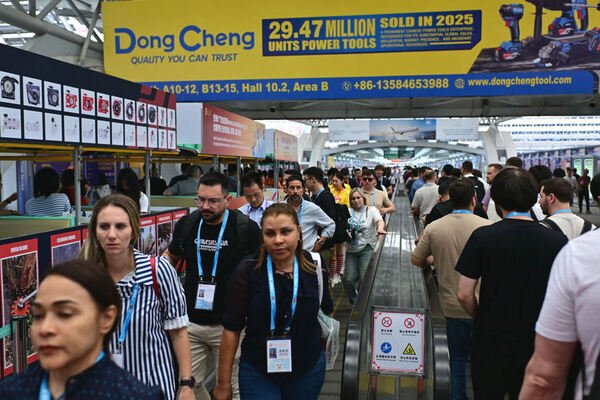
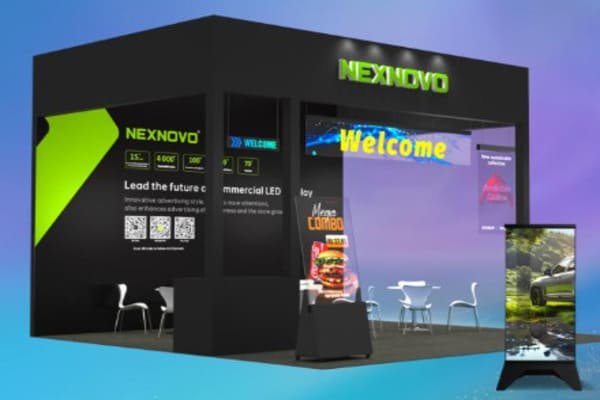
Transparent LED screens have become one of the most eye-catching innovations in the global display industry1. Especially after being widely showcased at events like the Canton Fair2, more overseas buyers are exploring how to source these products from China for commercial and architectural projects.
However, while sourcing may seem straightforward, shipping transparent LED screens internationally is far more complex than standard cargo. This guide will walk you through key considerations—from application scenarios to packaging, shipping risks, and customs challenges.
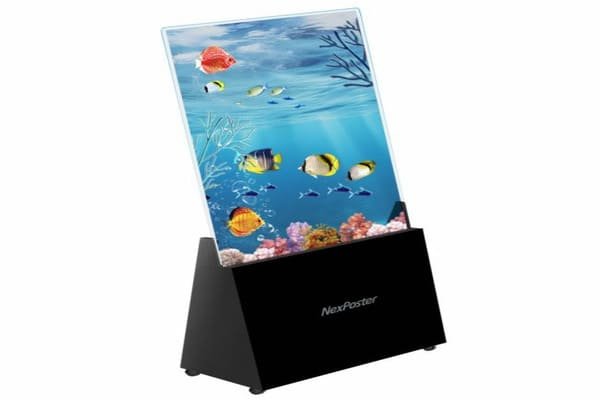
1. Where Transparent LED Screens Are Used (Global Demand Insights)
Understanding how and where transparent LED screens are used can help you better plan your sourcing and logistics strategy.
- Building facades3 – Popular in Southeast Asia and the Middle East for landmark projects
- Retail storefront displays4 – Widely used by brands in Europe and North America
- Shopping mall atriums – A global trend for immersive advertising
- Showrooms and exhibitions – Including trade fairs and brand experience centers
- Sightseeing elevators & creative stages – High-end customized installations
These applications often involve large-scale, customized installations, which means transportation planning must be considered early in the procurement process.
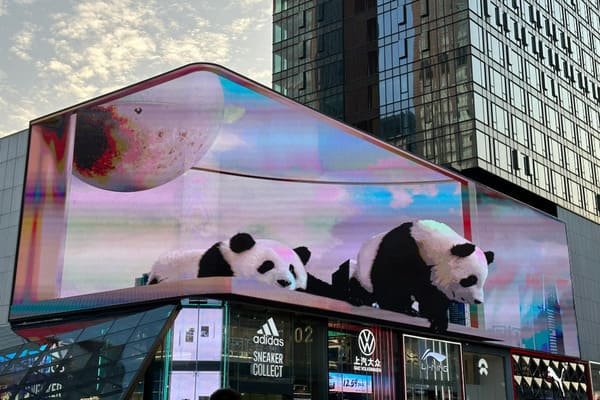
2. What Makes Transparent LED Screens Difficult to Ship?
- Fragile glass components5 – High risk of breakage
- Lightweight strip structure – Prone to deformation
- Oversized dimensions – May exceed standard limits
- Electronic sensitivity – Requires anti-static protection
This is not standard cargo. Improper handling can easily lead to damage, delays, or costly replacements.
3. Packaging Standards for Safe Export
Inner Protection
- Anti-static bags for electronic components
- EPE foam or bubble wrap for cushioning
Middle Reinforcement
- Honeycomb cardboard or custom wooden frames
- Prevents compression and movement
Outer Packaging
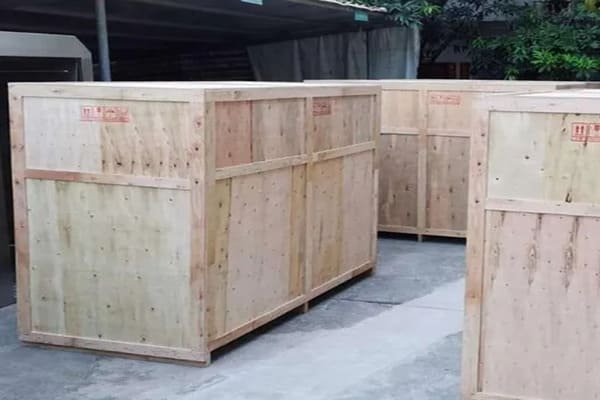
- Fumigation-free wooden crates (ISPM15 compliant)6
- Flight cases for high-value shipments
- Clear markings: Fragile / This Side Up / Keep Dry
Many suppliers only provide basic packaging, which may not meet international shipping standards.
4. Sea Freight Risks and Moisture Protection
- High humidity inside containers
- Salt mist corrosion affecting circuits7
- Long transit time exposure
Recommended solutions:
- Use of desiccants
- Moisture-proof wrapping (vacuum or foil barrier)
- Reinforced container loading
5. Customs Clearance and Anti-Dumping Risks
- Correct HS Code classification
- Required certifications (CE, RoHS)
- Anti-dumping duties in certain countries
For example, countries like India and Turkey may impose additional duties on LED imports8.
Unexpected duties can significantly increase your landed cost.
6. Choosing the Right Logistics Partner
- Experience with fragile and oversized cargo
- Custom packaging solutions
- Door-to-door shipping capability
- Project cargo handling experience
Working with an experienced freight forwarder helps reduce risks and ensures smooth delivery.
Conclusion
Transparent LED screens are rapidly gaining popularity in global commercial and architectural applications. However, behind every successful installation lies a complex logistics process that requires careful planning.
From fragile structures and oversized dimensions to moisture protection and customs compliance, shipping these products internationally involves multiple risk factors. Overlooking these details can lead to delays, damages, or unexpected costs.
By working with a logistics partner experienced in handling similar cargo, you can ensure a safer and more efficient import process. Whether your project involves retail displays, building facades, or large-scale installations, the right shipping strategy will make all the difference.
"Dual-sided transparent display enabled by polymer stabilized ...", https://pmc.ncbi.nlm.nih.gov/articles/PMC11555209/. A technical overview of transparent LED display systems describes their see-through structure and use in architectural and commercial display settings, supporting their characterization as a notable display-technology development. Evidence role: general_support; source type: paper. Supports: Transparent LED screens are a notable innovation in the global display industry.. Scope note: This supports the technological and application context, but it does not measure how “eye-catching” the innovation is. ↩
"Canton Fair", https://www.cantonfair.org.cn/en-US. Official Canton Fair materials document the fair’s role as a major international trade event for Chinese export products, providing context for why overseas buyers encounter display and electronics suppliers there. Evidence role: historical_context; source type: institution. Supports: The Canton Fair is a venue where overseas buyers explore Chinese products, including display-related products.. Scope note: The source can establish the Canton Fair’s trade role, but may not specifically quantify transparent LED screen exposure at the event. ↩
"(DOC) Media Facades: When Buildings Perform", https://www.academia.edu/41515986/Media_Facades_When_Buildings_Perform. Research on media façades and transparent display integration in buildings discusses the use of LED-based visual systems on architectural envelopes, supporting building façades as a recognized application context. Evidence role: general_support; source type: paper. Supports: Transparent LED screens are used on building facades for architectural display projects.. Scope note: The evidence supports the application category generally and may not isolate transparent LED screens from other media-façade technologies. ↩
"Retail Digital Signage Market Size, Share & Trends Report 2031", https://www.mordorintelligence.com/industry-reports/retail-digital-signage-market. Studies of digital signage and retail window displays identify storefront screens as a retail communication and advertising medium, providing contextual support for transparent LED displays in storefront applications. Evidence role: general_support; source type: paper. Supports: Transparent LED screens are used in retail storefront display applications.. Scope note: This supports storefront digital-display use broadly, not necessarily adoption rates for transparent LED screens in Europe and North America. ↩
"Fragile Goods Shipping Guide: Glassware, Packing & LCL", https://airliftusa.com/commodity/glassware-and-fragile-goods. Packaging and transport guidance for glass and fragile goods explains that glass components require protection against shock, vibration, and breakage during handling and transit, supporting the need to treat glass-containing LED screens as fragile cargo. Evidence role: mechanism; source type: government. Supports: Transparent LED screens with glass components face breakage risk during shipping.. Scope note: The source may address glass transport generally rather than transparent LED screens specifically. ↩
"Import ISPM 15-Compliant Wood Packaging Material into the U.S.", https://www.aphis.usda.gov/plant-imports/wood-packaging-material/import. The International Plant Protection Convention’s ISPM 15 standard sets phytosanitary requirements for wood packaging material in international trade, supporting the need for compliant crates when wooden packaging is used for export shipments. Evidence role: definition; source type: institution. Supports: Export wooden packaging should comply with ISPM 15 requirements when applicable.. Scope note: ISPM 15 applies to regulated wood packaging material; it does not require wood crates for every shipment or assess whether a particular crate is adequate for fragile electronics. ↩
"The corrosion mechanism of printed circuit boards affected by haze ...", https://pmc.ncbi.nlm.nih.gov/articles/PMC12376827/. Corrosion literature and electronics reliability studies show that chloride-rich salt environments accelerate corrosion of metallic conductors and contacts, supporting the concern that salt exposure during marine transport can affect electronic circuits. Evidence role: mechanism; source type: paper. Supports: Salt mist exposure can corrode circuits and electronic components during sea freight.. Scope note: This supports the corrosion mechanism generally; actual risk depends on packaging integrity, exposure level, and transit conditions. ↩
"[PDF] Eliminating Trade Remedies from the WTO", https://scholarship.law.georgetown.edu/cgi/viewcontent.cgi?article=1225&context=facpub. Government trade-remedy notices and WTO trade-policy records document that countries may impose anti-dumping or safeguard duties on specified LED-related products, supporting the warning that LED imports can face additional duties in some markets. Evidence role: case_reference; source type: government. Supports: India and Turkey may impose additional duties on certain LED imports.. Scope note: Duties are product-specific, time-bound, and dependent on HS classification and country of origin; a current tariff or trade-remedy database is needed for a specific shipment. ↩