

Are you excited about the robot you found at the Canton Fair? But now you worry about the complex shipping process. Getting it home safely and on budget is the real challenge.
The main problems buyers face are complex compliance rules, choosing the wrong shipping method, unexpected customs delays, and hidden costs. These issues can turn a great purchase into a logistical nightmare if you are not prepared.
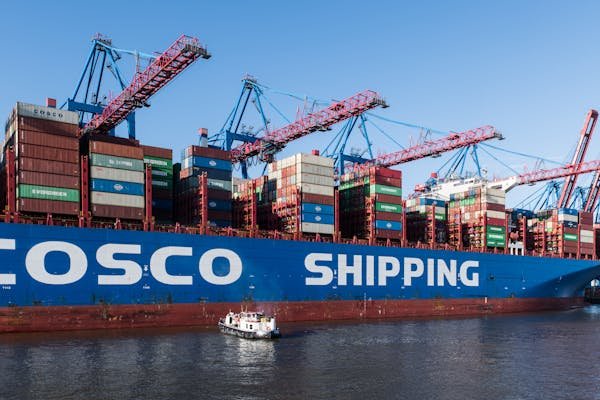
I've been in logistics for over 20 years, and I've seen many buyers at the Canton Fair find amazing products. But their excitement often turns to frustration when it's time to ship. Shipping a high-tech product like a robot isn't like sending a box of clothes. It involves many steps, and one mistake can cause big delays and extra costs. We need to look at these problems one by one. Understanding them is the first step to avoiding them. Let’s break down what you need to know to make sure your new robot arrives without any trouble.
How can compliance challenges1 stop your robot shipment?
You think all your paperwork is ready for shipping. But a single missing certificate can bring your entire shipment to a halt, trapping your valuable robot at the port.
Key compliance challenges include battery regulations (MSDS, UN38.3), product certifications for your target market (like CE or FCC), and potential Chinese export controls. Failing to meet any of these can lead to rejection by carriers or customs.
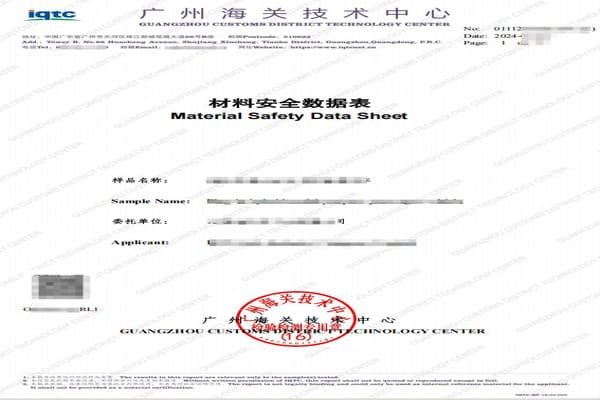
Let's dive deeper into these compliance issues. Many buyers don't realize how strict these rules are until it's too late. I remember a client from Germany who bought a batch of cleaning robots. He assumed the supplier handled everything, but the airline rejected the cargo because there was no UN38.3 report for the lithium batteries. We had to hold the shipment for two weeks while we sorted out the testing and paperwork, which caused a major delay in his product launch.
Battery Compliance is Non-Negotiable
Most modern robots use lithium batteries, which are classified as dangerous goods for transport.
- MSDS (Material Safety Data Sheet): This document details the chemical properties and handling procedures for the battery. Every carrier will ask for it.
- UN38.3 Test Report2: This is a mandatory certification that proves the battery has passed safety tests for transportation. Without it, no airline or shipping line will accept your cargo.
Product Certifications for Market Access
Your robot must meet the standards of the country you're shipping to.
- CE Marking3: Required for products sold within the European Economic Area.
- FCC Mark4: Required for electronic devices sold in the United States. Customs officials in your country will check for these marks. If they are missing, they can refuse entry and even destroy the shipment.
China's Export Controls
Some advanced robots, especially those with sophisticated AI or navigation, might be on China's export control list. This means you may need a special export license from the Chinese government to ship them. Your supplier should know this, but it is always best to confirm.
| Compliance Check | What It Is | Why It's Needed |
|---|---|---|
| MSDS | Material Safety Data Sheet | Identifies battery hazards for safe handling. |
| UN38.3 | Battery transportation safety test | Mandatory for air and sea freight carriers. |
| CE/FCC | Product safety/emissions standards | Required for customs clearance in EU/US. |
| Export License | Government permission to export | For certain high-tech or dual-use robots. |
What is the best way to ship your robot from China?
You have different shipping options like air, sea, or rail. But choosing the wrong one can waste a lot of time and money, or even put your robot at risk.
The best shipping method depends on your robot's size, weight, and your timeline. Air freight is fast but expensive, ideal for smaller, urgent shipments. Sea freight is much cheaper for larger robots but takes several weeks.
Choosing between air and sea freight5 is a critical decision that impacts your entire supply chain. It's not just about cost and speed; it's also about safety and handling. For example, a delicate, high-value inspection robot might be better suited for air freight6, where there is less handling and a shorter transit time, reducing the risk of damage. On the other hand, if you are shipping a dozen heavy-duty manufacturing robots, the cost of air freight would be huge. In that case, sea freight is the only practical option. You need to pack them securely in custom-built wooden crates to protect them during the long journey.
Air Freight: Speed vs. Cost
Air freight is the fastest way to get your robot from China. Transit time is usually just a few days. This is perfect for small, lightweight robots, urgent samples, or when your customers are waiting. However, this speed comes at a high price. The cost is calculated based on actual weight or volumetric weight, whichever is greater. Battery regulations are also extremely strict for air cargo, so all your paperwork must be perfect.
Sea Freight: The Economical Choice
For larger, heavier robots or bulk orders, sea freight is the most cost-effective solution. You can choose between two main options:
- LCL (Less than Container Load): You share container space with other shippers. It's a good option if you only have one or two robots.
- FCL (Full Container Load): You book an entire container for your goods. This is more secure and often cheaper per unit if you have enough volume to fill it. The main downside is the time. A sea shipment from China to Europe or the US can take 30 to 45 days.
Comparing Your Shipping Options
| Feature | Air Freight | Sea Freight |
|---|---|---|
| Transit Time | 3-7 days | 30-45 days |
| Cost | High | Low |
| Best For | Small, high-value, urgent shipments | Large, heavy, bulk shipments |
| Battery Rules | Very Strict | Strict, but more manageable |
| Risk of Damage | Lower | Higher (due to longer transit) |
Why do robot shipments get stuck in customs?
Your shipment has left China and is on its way. But suddenly, you get an email that it's being held by customs, and storage fees are adding up every day.
Robot shipments often get stuck in customs due to three main reasons: using an incorrect HS code7, providing incomplete or inaccurate documents, or the buyer not having the necessary import qualifications in their country.
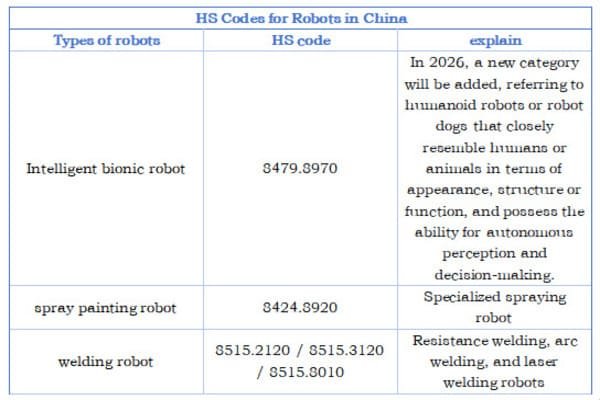
Customs clearance can be a big headache. I once worked with a US-based client who bought a sophisticated agricultural robot. The supplier declared it under a general "machinery" HS code. But US customs re-classified it as a "data-processing machine" because of its advanced onboard computer. This not only delayed the shipment for three weeks but also resulted in a higher tariff rate, costing my client thousands of dollars in unexpected duties and storage fees. This experience taught us to always double-check the HS code and provide a detailed product description to avoid any confusion with customs authorities. It’s a small step that saves a lot of trouble later.
The Importance of the Correct HS Code
The Harmonized System (HS) code is a universal code used by customs worldwide to classify products. This code determines the import tariffs and taxes you must pay. A robot can fall under various categories depending on its function (e.g., industrial, service, educational). Using the wrong code can lead to:
- Delays: Customs will hold your shipment to verify the correct classification.
- Fines: You may be penalized for incorrect declaration.
- Higher Taxes: You might end up paying more tax than necessary.
Essential Documentation for Smooth Clearance
You need a complete set of accurate documents for both China export customs and destination import customs.
- Commercial Invoice: Must show the real value of the robot.
- Packing List: Details the contents, weight, and dimensions of the shipment.
- Bill of Lading (for sea) or Air Waybill (for air): The contract between you and the carrier.
- Certificate of Origin: May be needed to claim preferential tariff rates.
- Compliance Certificates: CE, FCC, or other required certifications.
Importer Qualifications
In many countries, you can't just import goods as an individual or unregistered company. You may need specific qualifications:
- EORI Number8: Required for businesses importing into the European Union.
- Importer of Record9 (IOR): You must be legally registered to import goods in your country. Make sure you are set up to be the IOR before your shipment arrives.
You received a shipping quote and think you have the full cost figured out. But hidden fees, potential damage, and confusing delivery terms can quickly destroy your budget and timeline.
Beyond the freight rate, you must consider hidden terminal charges, customs inspection fees, and insurance costs. Also, understanding shipping terms like DDP is crucial to know who is responsible for each step of the delivery process.
Many first-time importers focus only on the freight cost from Port A to Port B. They are often shocked when they receive a final bill with a dozen extra charges they never expected. These local charges at both the origin and destination ports can sometimes add up to more than the sea freight itself. It's important to ask your freight forwarder for a full, door-to-door quotation that clearly breaks down all potential costs. Also, never ship a high-value item like a robot without proper cargo insurance. The carrier's liability is very limited and will not cover the full value of your robot if something goes wrong.
Uncovering Hidden Costs
Your shipping quote might not include everything. Be aware of these common extra fees:
- Terminal Handling Charges (THC): Fees charged by the port for handling the container.
- Customs Inspection Fees: If your container is selected for a physical inspection, you have to pay for it.
- Warehouse Storage Fees: If your shipment is delayed in customs, you'll pay for storage.
- Duty & Taxes: These are calculated based on the value of your robot and its HS code.
Protecting Your Investment with Insurance
Don't rely on the carrier's basic liability. It is usually very low, maybe just a few dollars per kilogram. For a robot worth thousands of dollars, this is not enough. You must buy separate cargo insurance. It is not expensive, and it gives you peace of mind that you will be compensated if your robot is lost or damaged during transit.
Understanding Delivery Terms (Incoterms10)
Incoterms define who is responsible for the shipment at each stage.
- FOB (Free On Board): The seller is responsible until the goods are loaded onto the ship in China. After that, all costs and risks are yours.
- DDP (Delivered Duty Paid): The seller (or their logistics partner) is responsible for everything, including shipping, customs clearance, and paying duties. The price you pay is all-inclusive, and the robot is delivered to your door. For new buyers, DDP is often the safest and simplest option.
| Incoterm | Who Pays for Main Freight? | Who Handles Import Customs? | Who Pays Import Duty? |
|---|---|---|---|
| FOB | Buyer | Buyer | Buyer |
| DDP | Seller | Seller | Seller |
Conclusion
Shipping robots from the Canton Fair has many challenges. But with careful planning around compliance, shipping methods, customs, and risks, you can ensure a smooth process for your valuable purchase.
Understanding compliance challenges is crucial to avoid shipment delays and ensure smooth customs clearance. ↩
This report is essential for shipping lithium batteries safely; knowing its requirements can save you from shipment rejection. ↩
CE Marking is vital for market access in Europe; explore its significance to ensure compliance. ↩
The FCC Mark is crucial for electronic devices in the US; understanding it can prevent customs issues. ↩
Sea freight is economical for bulk shipments; learn how it can be the best choice for larger robots. ↩
Air freight is fast but costly; understanding its pros and cons helps in making informed shipping decisions. ↩
The HS code determines tariffs and taxes; knowing its importance can prevent costly customs delays. ↩
An EORI Number is essential for EU imports; learn how to obtain one for smooth customs clearance. ↩
Being an Importer of Record is vital for legal compliance; understand its role in the import process. ↩
Understanding Incoterms clarifies shipping responsibilities; explore how they impact your logistics. ↩