
Chasing the lowest freight rate feels smart. But unexpected delays and hidden costs can quickly erase those savings. It's a common trap that can damage your business and reputation.
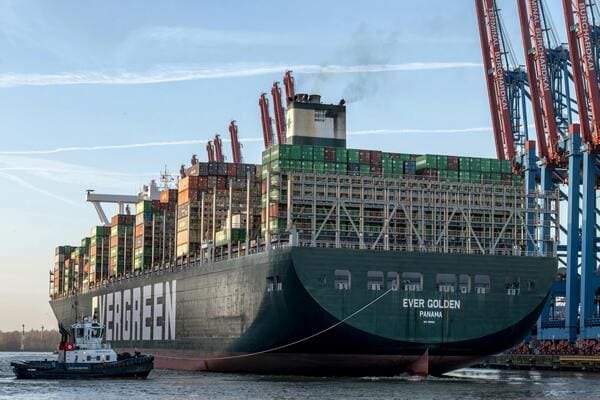
A cheap ocean carrier is rarely worth the risk for valuable or time-sensitive goods. The initial savings often disappear due to hidden costs, delays, and a higher chance of cargo damage. The best approach is to balance the freight rate with the carrier's reliability and service quality.1

I've seen this happen time and time again in my 20 years in logistics. A client thinks they've found a golden deal, only to call me weeks later in a panic. The "cheap" shipment is stuck at the port, or worse, the container is lost. It's a tough lesson to learn, and it's almost always preventable. To really understand how to protect your business, we need to dig deeper into the common mistakes shippers make. Let's start with the biggest one.
The Biggest Misconception: Choosing Carriers Only by Freight Rate?
You have a list of quotes, and one is significantly cheaper. It's tempting to just click 'book' and celebrate the savings. But this single-minded focus on price is a huge gamble.
Choosing a carrier based only on the freight rate is a major misconception. This price often excludes factors like guaranteed space, on-time performance, and service quality2. A lower price can mean your cargo gets bumped for a higher-paying customer, leading to expensive delays and unhappy clients.
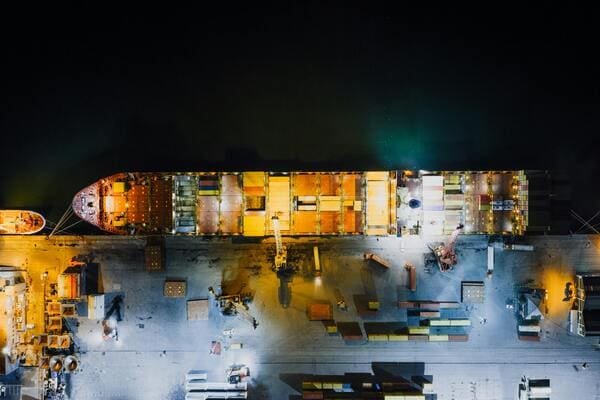
Let's really get into what that freight rate means. It’s not just a number; it’s an indicator of the service level you can expect. When you see a rock-bottom price, you should always ask yourself what's being sacrificed to offer it. It's a simple truth of business: you get what you pay for, and in shipping, paying too little can cost you a fortune.
What the Price Tag Hides
A low price often means the carrier is cutting corners. They might have older vessels that are slower or more prone to mechanical issues. Their customer service might be a black hole, leaving you in the dark when problems inevitably arise. Most importantly, they might not guarantee your container a spot on the vessel. During busy seasons, carriers will prioritize cargo from customers paying higher rates. This is called "rolled," and it means your "booked" container could be left sitting at the port for weeks, accumulating costly storage fees3.4
The Real Cost of a "Bargain"
I once worked with a client, let's call him Mark, who was importing seasonal decorations for his retail chain. He chose the absolute cheapest carrier to save a few hundred dollars on the freight. His shipment was rolled—bumped from the vessel—not once, but twice. By the time the goods arrived, the holiday season was over. He had to store the inventory for a year and then sell it at a massive discount, wiping out his entire profit. The few hundred dollars he "saved" ended up costing him tens of thousands in lost sales, storage fees, and damage to his brand's reputation. This story is incredibly common.
Here's a simple breakdown of what you're really choosing between:
| Feature | Low-Cost Carrier | Reliable Carrier |
|---|---|---|
| Space Guarantee | Low (High risk of rolling) | High (Guaranteed slot) |
| On-Time Performance | Poor to Average | Good to Excellent |
| Customer Service | Minimal / Automated | Dedicated Support |
| Equipment Quality | Older, less reliable | Newer, well-maintained |
| True Final Cost | Unpredictable (Hidden fees) | Transparent and predictable |
Hidden Risks of Low-Cost Carriers & Cargo Type Impact?
You've packed your goods securely, so you think they're safe. But the carrier you choose introduces its own set of risks. These hidden dangers can turn a simple shipment into a total loss.
The hidden risks of cheap carriers include poorly maintained containers5, unreliable transit times, and weak security. This matters immensely depending on your cargo. For high-value electronics, poor security is a disaster. For chemicals or food, a faulty reefer container means a total loss of product.6
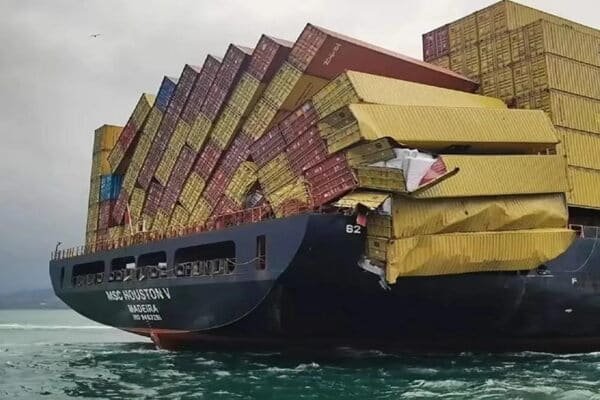
Not all cargo is created equal, so your shipping strategy shouldn't be one-size-fits-all. The risks associated with a low-cost carrier become much more serious when you're shipping anything other than low-value, general goods. It's a game of matching the carrier's capabilities with your product's vulnerabilities, and getting it wrong can be catastrophic for your business.
When Your Cargo Demands More
Think about what you're shipping. If it's dangerous goods (DG) or chemicals, you need a carrier with certified experience and strict safety protocols.7 A cheap carrier might not have the trained staff or proper equipment, leading to compliance failures, fines, or even accidents. For high-value electronics or luxury goods, you need top-notch security and real-time tracking, services that budget carriers rarely offer. For temperature-sensitive products like food or pharmaceuticals, a reliable Reefer (RF) container and a carrier that guarantees consistent power is non-negotiable. A slight temperature fluctuation can ruin the entire shipment. In all these cases, the potential cost of a failed shipment far, far outweighs any small savings on freight.
A Case of Mismatched Expectations
We had a potential client approach us after a terrible experience. They were shipping a full container of high-end outdoor gear from Asia to the US. To save about $500, they went with an unknown, low-cost carrier they found online. The container arrived two months late, and during transit, water had leaked in through a poorly maintained seal, ruining a third of the merchandise with mold. The carrier was unresponsive, and the insurance claim was a nightmare because it's hard to prove the carrier was negligent.8 They learned the hard way that for their valuable brand, a premium, reliable service isn't a cost—it's an investment in security, predictability, and peace of mind. They lost their product, their profit, and the trust of their retailers.
Scientific Shipping Selection: Balance Cost and Shipment Safety?
You're tired of the shipping gamble. You want a reliable method to make decisions, not just guesswork based on price. You know you need a smarter way to manage your logistics.
To balance cost and safety, you need a smart, flexible strategy. Use top-tier carriers for your critical, high-value shipments. For less urgent, lower-value goods, a more economical but still vetted carrier can work. It’s about making a conscious choice for each shipment, not defaulting to one rule.

The key to mastering ocean freight is to move away from a single-minded approach and adopt a scientific selection process. This means you don't just have one shipping strategy; you have a flexible framework that adapts to the specific needs of each order. It's about being strategic, not just cheap. This is how successful global companies manage their supply chains and stay ahead of the competition.9
Creating Your Shipping Matrix
Think of your shipments in terms of two main factors: value/risk and timeliness.10 A shipment of high-value, seasonal products that must arrive by a certain date for a big retail launch demands the best carrier, regardless of a small price difference. This is your "Tier 1" shipment, where reliability is paramount. On the other hand, a shipment of low-value, non-perishable stock with a flexible delivery window could potentially use a more cost-effective, mid-tier carrier. This is a "Tier 2" or "Tier 3" shipment, where you can afford to trade a little time for cost savings. By categorizing your orders this way, you can apply your budget intelligently, spending more on freight where it protects you the most and saving money where the risks are acceptably low. This structured approach takes the emotion and guesswork out of the decision.
The Role of a Professional Partner
Doing this analysis for every shipment can be overwhelming, especially when you're also running a business. This is where a great freight forwarder becomes an essential partner, not just a service provider.11 At Deeplinker, we live and breathe this data. We have performance metrics on hundreds of carriers and routes. We know who is reliable on the trans-pacific route during peak season and who offers the best equipment for oversized cargo. We work with our clients to understand their products, their customers, and their profit margins. We then help them build this exact kind of differentiated shipping strategy, ensuring they achieve a true balance of cost-effectiveness and supply chain security.
Conclusion
Stop chasing the lowest price. A smart shipping strategy that balances cost, reliability, and cargo needs is the real key to long-term success in global trade.
Container ship — a cargo vessel that carries its load in intermodal containers; the backbone of global ocean freight — *Wikipedia*: https://en.wikipedia.org/wiki/Container_ship ↩
Examining the Value of Travel Time Reliability for Freight Transportation — *University Transportation Center, Georgia Institute of Technology*: https://utc.gatech.edu/sites/default/files/u63/ExaminingtheValueofTravelTimeReliabilityforFreightTransportationtoSupportFreightPlanningandDecisionMaking_XiaJin.pdf ↩
FMC Publishes Final Rule on Detention and Demurrage Billing Practices — *Federal Maritime Commission (FMC)*: https://www.fmc.gov/articles/fmc-publishes-final-rule-on-detention-and-demurrage-billing-practices/ ↩
Rolled cargo — freight that has been bumped from its booked vessel, typically due to overbooking or higher-paying customers — *Wikipedia*: https://en.wikipedia.org/wiki/Rolled_cargo ↩
Container inspection and maintenance safety standards — *OSHA / Regulations.gov (U.S. Occupational Safety and Health Administration)*: https://downloads.regulations.gov/OSHA-S025A-2006-0658-0111/content.pdf ↩
Refrigerated container (reefer) — an intermodal container used to transport temperature-sensitive cargo under controlled conditions — *Wikipedia*: https://en.wikipedia.org/wiki/Refrigerated_container ↩
International Maritime Organization program — dangerous goods shipping regulations — *Pipeline and Hazardous Materials Safety Administration (PHMSA), U.S. DOT*: https://www.phmsa.dot.gov/international-program/international-maritime-organization ↩
Marine insurance — coverage protecting cargo and vessels against loss or damage during ocean transit — *Wikipedia*: https://en.wikipedia.org/wiki/Marine_insurance ↩
Supply chain management — the strategic coordination of sourcing, production, and logistics across a supply network — *Wikipedia*: https://en.wikipedia.org/wiki/Supply_chain_management ↩
Research on freight value, risk, and timeliness in transport decision-making — *National Library of Medicine (PMC)*: https://pmc.ncbi.nlm.nih.gov/articles/PMC9063627/ ↩
Freight forwarder — an agent that organizes shipments and coordinates carriers on behalf of shippers — *Wikipedia*: https://en.wikipedia.org/wiki/Freight_forwarder ↩