
Struggling with shipments stuck at Brazilian ports? The complex rules and endless paperwork can cause major headaches and costly delays for your business.
Brazil's customs clearance is difficult due to its complex tax system, strict regulations, and bureaucratic procedures1. Success requires precise documentation and a deep understanding of local rules. With the right preparation and expert help, you can navigate it smoothly and avoid common pitfalls.2

It sounds tough, but don't worry. The first time I handled a shipment there, it felt like trying to solve a puzzle with half the pieces missing. But over time, I learned the patterns and the rules. It's not impossible, just very specific. Let me break down the process for you, so you can see how to manage it. With the right approach, you can turn a major challenge into a smooth part of your supply chain.
What is the Brazil customs clearance process step-by-step?
Confused by the steps to clear customs in Brazil? One small mistake can halt your entire shipment, costing you precious time and money.
The process involves pre-shipment registration on the Siscomex3 system, cargo arrival and declaration, document verification, potential physical inspection, tax payment, and finally, cargo release. Each step must be followed perfectly to ensure a smooth clearance.
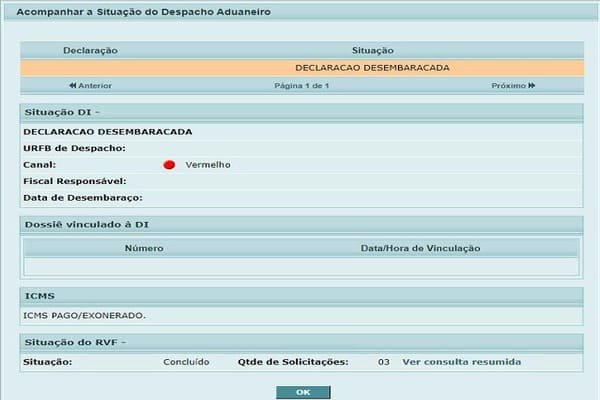
Let's dive deeper into how this process actually works on the ground. It all starts before your cargo even leaves the port of origin. Everything is managed through a single online portal called Siscomex. Think of it as the central nervous system for all Brazilian trade. Your appointed customs broker in Brazil must register the shipment details here to get things started.4 Once the cargo arrives in Brazil, the real work begins. The broker submits an Import Declaration (DI) through Siscomex. This document contains all the crucial information about your shipment. Customs authorities then review everything. They check if your paperwork matches the declaration and if the goods are valued correctly. This is where many shipments get held up. If anything looks off, you can expect delays.
The Declaration and Inspection Phases
After the DI is submitted, the system automatically assigns your shipment to a "channel." This determines the level of inspection. It could be Green (automatic release), Yellow (document check), Red (document check and physical inspection), or Gray (intensive investigation for fraud)5. You want the Green channel, but you must be prepared for any of them. I remember a client shipping outdoor equipment who got assigned to the Red channel. We had all our documents in order, so the physical inspection was just a formality. But if we had made a single mistake on the packing list, the shipment would have been stuck for weeks, racking up storage fees. Preparation is everything.
Final Steps: Taxes and Release
Once customs are satisfied, they calculate the taxes and duties. Brazil's tax system is complex, so this step is critical.6 After your broker pays the required amount, customs will issue the final release. Only then can your cargo leave the port and continue to its final destination.
Here is a simplified table of the process:
| Step | Action | Key Details |
|---|---|---|
| 1. Pre-Shipment | Register on Siscomex | Your customs broker in Brazil handles this. |
| 2. Cargo Arrival | Submit Import Declaration (DI) | All shipment data is formally declared to customs. |
| 3. Customs Review | Channel Assignment (Green, Yellow, Red) | The system determines the level of inspection required. |
| 4. Inspection | Document and/or Physical Check | Customs verifies the shipment against the paperwork. |
| 5. Tax Payment | Pay all applicable taxes and duties | Taxes are calculated based on the DI. |
| 6. Cargo Release | Customs issues release authorization | Your goods are free to enter the country. |
What makes Brazil customs clearance so difficult?
Are hidden complexities in Brazil's customs system derailing your logistics? These unexpected challenges can turn a profitable shipment into a financial loss.
The difficulty comes from Brazil's intricate tax structure, strict and often-changing import regulations, and a high level of bureaucracy. These factors create a high risk of errors, fines, and long delays if you are not fully prepared.
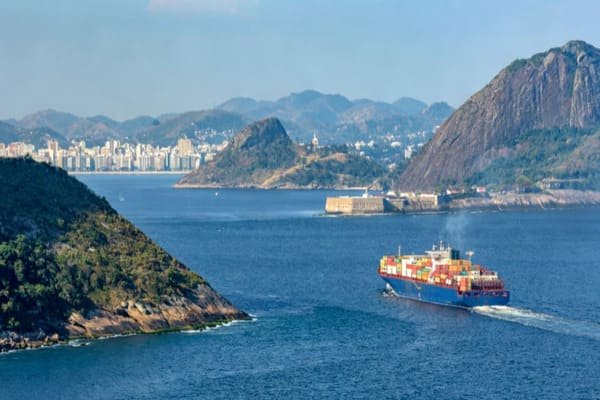
Let's break down the three main reasons why shipping to Brazil can feel so complicated. It's not just about one thing; it's how several challenging factors work together. Understanding these points is the first step to overcoming them. I've helped many clients, from large retail chains to new e-commerce sellers, navigate this landscape. The ones who succeed are the ones who respect the complexity and prepare for it. They don't try to find shortcuts. Instead, they work with us to build a solid, compliant process from the very beginning. This proactive approach saves them an incredible amount of time and money in the long run.
The Complex Tax Web
First, Brazil has one of the most complex tax systems in the world. When you import goods, you're not just paying one duty. You face a stack of different taxes. This includes the Import Duty (II), Industrialized Product Tax (IPI), PIS/PASEP and COFINS (social contributions), and the State Value-Added Tax (ICMS)7. Each tax has its own rate and calculation method, which can vary based on the product's classification and the state where it's being imported. Getting this calculation wrong can lead to fines and a complete re-evaluation of your shipment, causing massive delays.
Navigating Bureaucracy and the Channel System
Second, the bureaucracy is intense. The "channel" system I mentioned earlier is a big part of this. While the Green channel is fast, a Red channel assignment means your container will be opened and physically inspected. This process alone can add days or even weeks to your clearance time. The criteria for channel assignment can seem random, but it's often triggered by inconsistencies in paperwork, unusual product valuations, or simply the type of product being imported. We always prepare our clients for a Red channel inspection, even if we're aiming for Green. It's better to be ready than to be surprised.
Here’s a look at the main import taxes:
| Tax Acronym | Full Name | What It Is |
|---|---|---|
| II | Imposto de Importação | The main federal Import Duty. |
| IPI | Imposto sobre Produtos Industrializados | A federal tax on manufactured goods, both domestic and imported. |
| PIS/COFINS | Programa de Integração Social / Contribuição para o Financiamento da Seguridade Social | Federal social contribution taxes levied on imports. |
| ICMS | Imposto sobre Circulação de Mercadorias e Serviços | A state-level value-added tax that varies by state. |
What documents are required for Brazil imports?
Worried about missing a crucial document for your Brazil shipment? A single missing paper can lead to immediate rejection and massive storage fees.
Key documents include the Commercial Invoice, Bill of Lading (or Air Waybill), and Packing List. For certain goods, an Import License (LI) is also mandatory. All documents must be perfectly accurate and consistent to avoid issues.8
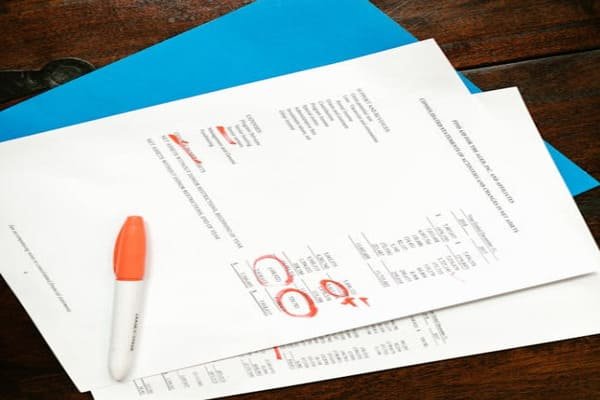
Getting your documentation right is the most important part of shipping to Brazil. It's not just about having the documents; it's about making sure every detail on every page is 100% correct and matches across all other documents. A tiny mistake, like a typo in the product description or a different weight on the packing list versus the bill of lading, can bring your entire shipment to a halt. I always tell my clients to think of the paperwork as the foundation of their shipment. If the foundation is weak, the whole thing will collapse. We at Deeplinker have a dedicated team that reviews every document before submission, because we know from experience that this is where most problems start.
Core Shipping Documents
You need three main documents for every shipment. The Commercial Invoice must contain a detailed description of the goods, the unit price and total price, the HS code for classification, and the payment terms.9 The Bill of Lading (B/L) or Air Waybill (AWB) is the contract of carriage, and it must show the correct consignee information.10 The Packing List details the contents of each package, including weights and dimensions. Brazilian customs will compare these documents against each other, looking for any inconsistencies.
The Critical Import License (LI)
For many products, you also need an Import License (LI). This is not for all goods, but it's required for things like chemicals, food products, toys, and medical devices11. The important thing to know is that the LI must be approved before the goods are shipped. I once had a new client who shipped a container of sporting goods without realizing they needed an LI. The cargo was held at the port for over a month while we scrambled to get a retroactive license, which is very difficult. It was a costly lesson for them. Always check if your product requires an LI well in advance.
Here's a checklist for the essential documents:
| Document | Purpose | Key Information to Check |
|---|---|---|
| Commercial Invoice | Declares the value and details of the goods. | HS Code, price, description, Incoterms. |
| Bill of Lading / AWB | Contract of carriage and proof of ownership. | Consignee details must be exact. |
| Packing List | Details the contents and packaging of the shipment. | Weights, dimensions, and quantities per box. |
| Import License (LI) | Pre-approval for restricted goods. | Must be obtained before shipping. |
Conclusion
Brazil's customs are challenging but not impossible. With careful preparation, correct documents, and an expert partner, you can ensure your shipments clear smoothly and efficiently.
Brazil Import Tariffs — Country Commercial Guide — *International Trade Administration (trade.gov)*: https://www.trade.gov/country-commercial-guides/brazil-import-tariffs ↩
Customs — the government authority responsible for controlling the flow of goods into and out of a country and collecting duties — *Wikipedia*: https://en.wikipedia.org/wiki/Customs ↩
Brazil data dissemination standards (Siscomex trade system reference) — *International Monetary Fund (IMF)*: https://dsbb.imf.org/sdds/dqaf-base/country/BRA/category/MET00 ↩
Customs broker — a professional licensed to handle customs clearance procedures on behalf of importers and exporters — *Wikipedia*: https://en.wikipedia.org/wiki/Customs_broker ↩
Brazil import petition and channel system guidance — *NIH / NIAID ClinRegs*: https://clinregs.niaid.nih.gov/sites/default/files/documents/brazil/G-LPCOImprtPetition_v2.17_GoogleTranslate.pdf ↩
Tariff — a tax imposed by a government on imported goods, calculated based on classification and value — *Wikipedia*: https://en.wikipedia.org/wiki/Tariff ↩
Brazil Import Tariffs (II, IPI, PIS/COFINS, ICMS breakdown) — *International Trade Administration (trade.gov)*: https://www.trade.gov/country-commercial-guides/brazil-import-tariffs ↩
Commercial invoice — a customs document detailing the goods sold, their value, and terms of sale for import clearance — *Wikipedia*: https://en.wikipedia.org/wiki/Commercial_invoice ↩
Harmonized System (HS Code) — an internationally standardized system of names and numbers for classifying traded products — *Wikipedia*: https://en.wikipedia.org/wiki/Harmonized_System ↩
Bill of lading — a legal document issued by a carrier that details the type, quantity, and destination of goods being shipped — *Wikipedia*: https://en.wikipedia.org/wiki/Bill_of_lading ↩
Brazil import license requirements for restricted goods — *NIH / NIAID ClinRegs*: https://clinregs.niaid.nih.gov/sites/default/files/documents/brazil/G-LPCOImprtPetition_v2.17_GoogleTranslate.pdf ↩