
Your cargo arrives broken, and you face angry customers and costly claims. It's a frustrating cycle that eats into your profits and damages your brand's hard-earned reputation.
Yes, skipping airbags can cost you thousands1. Cargo shifts in transit, causing damage that leads to financial loss and rejected shipments. Dunnage airbags are a simple, cost-effective tool to brace your load, fill empty gaps, and prevent this movement, protecting your investment.2
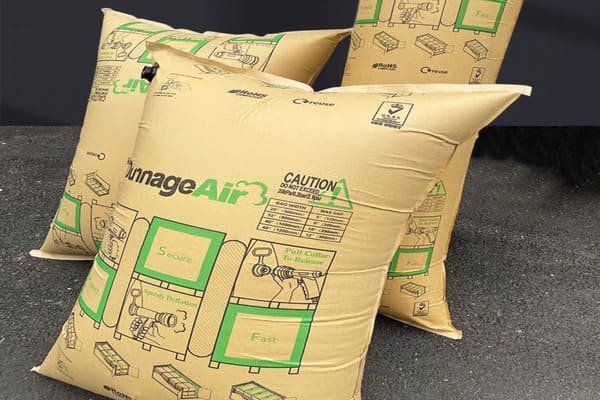
You probably think your team packs your containers tightly. I've seen hundreds of loads that looked perfect at the factory door but arrived in chaos. The forces at play during transit are much more powerful than most people realize. Understanding why your goods move is the first step to making sure they arrive safely. Let's look at what really happens inside that steel box once it leaves your sight.
Why Does Cargo Shift During Ocean & Truck Transport?
You packed the container perfectly, yet your products still arrived shifted and broken. This frustrating mystery costs you money and makes you look unreliable to your customers.
Cargo shifts due to constant vibrations and the powerful forces of acceleration, braking, and rolling3. Even small empty spaces allow goods to gain momentum and slam into each other over a long journey. This movement is what causes the damage you see upon arrival.4
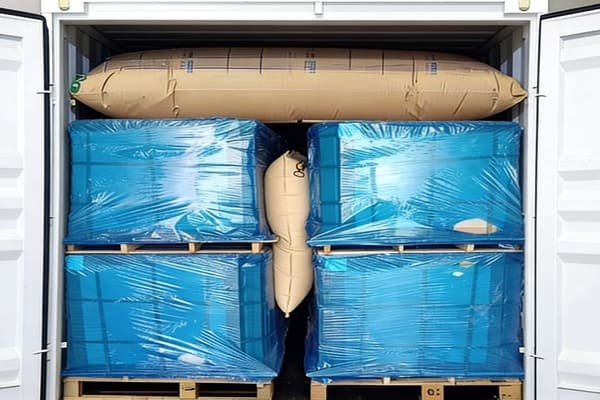
The journey from your factory to your customer's warehouse is not a smooth ride. Whether by sea or by road, your cargo is subjected to constant, powerful forces that exploit any weakness in your loading plan. It's not magic; it's physics.
The Unseen Forces at Sea
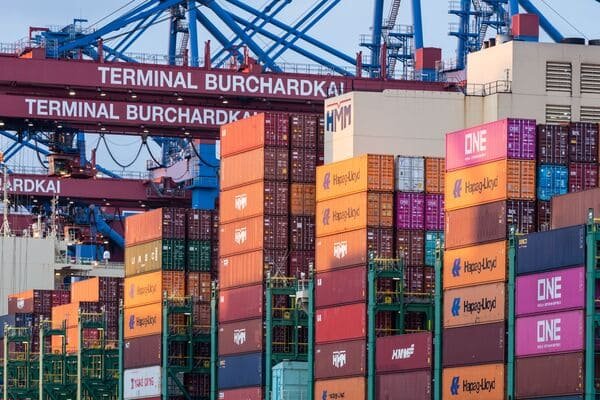
On an ocean vessel, your container is constantly moving in multiple directions. It pitches forward and back, rolls side to side, and heaves up and down with the waves.5 These motions happen thousands of times during a single voyage. A small gap between pallets can become a runway, allowing a multi-ton load to build momentum before crashing into other goods.
The Bumps on the Road
Truck transport has its own set of challenges. Sudden braking can send cargo sliding to the front of the trailer. Sharp turns create strong lateral forces6. Even a seemingly smooth highway has constant vibrations that can cause boxes to settle, loosen, and topple over.
| Transport Mode | Key Forces Causing Movement | Common Result |
|---|---|---|
| Ocean Freight | Rolling, Pitching, Heaving | Cargo tipping, sliding, and crushing |
| Truck Freight | Braking, Accelerating, Cornering | Goods sliding forward or toppling |
What Unsecured Cargo Movement Really Costs You?
You might see a few damaged items as a small, acceptable cost of business. But the total bill includes hidden expenses like processing claims, paying for returns, and losing customers.
Unsecured cargo costs much more than the product itself. You face claim fees, repackaging costs, and the expense of shipping replacements. Most importantly, it hurts your brand's reputation with every damaged delivery and can cause you to lose valuable customers for good.
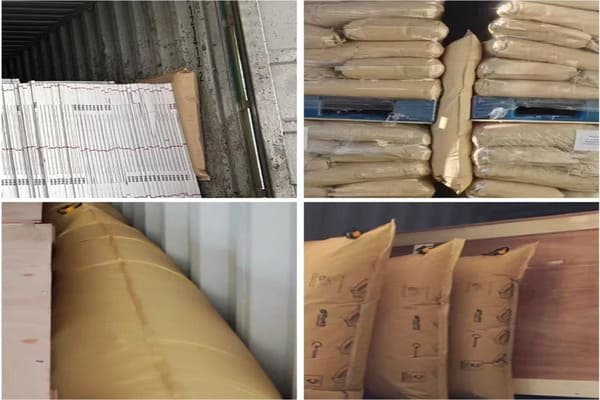
I once worked with a client shipping high-end home goods to the United States. A single unsecured pallet shifted during the ocean voyage. The damage wasn't catastrophic, just cosmetic scratches on the product packaging. However, their retail partner had a strict policy and rejected the entire shipment. This one "small" incident cost my client over $50,000 in return freight, restocking fees, and lost sales. The true cost is never just the value of the broken items. It's a chain reaction of expenses.
Direct Financial Hits
This is the most obvious cost. It includes the value of the destroyed goods, the freight cost to ship replacements, and any fees for disposing of the damaged products.
The Time and Labor Sink
Your team has to spend hours sorting damaged goods, documenting everything for an insurance claim, and arranging for new products to be sent.7 This is time they could be spending on growing your business.
| Cost Type | Examples |
|---|---|
| Direct Costs | Value of damaged goods, replacement shipping, disposal fees. |
| Indirect Costs | Labor for sorting/repacking, administrative time on claims. |
| Reputation Costs | Negative reviews, loss of trust with retail partners, customer churn. |
How Airbags Fill Gaps, Stop Shifting, and Cut Claims – What a Pro Freight Forwarder Does Differently?
You've tried using dunnage airbags, but sometimes damage still happens. It's frustrating when you invest in protection, but it doesn't seem to work every time.
Airbags inflate to fill empty spaces, creating a firm cushion that braces the load and prevents any movement8. A professional freight forwarder like us doesn't just add an airbag; we assess the load's weight, size, and routing to select and place the right type correctly.9
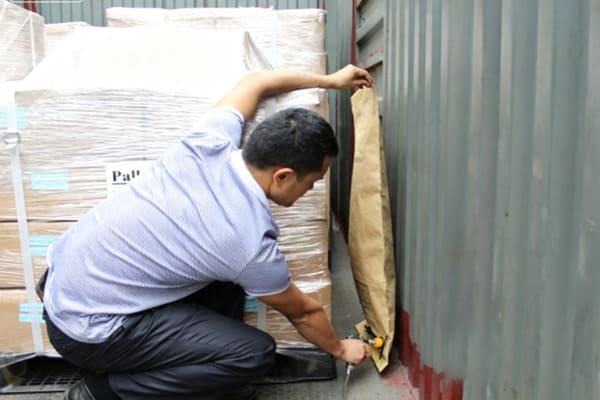
Using an airbag is simple, but using it effectively requires expertise. It's not about just filling a gap. It's about creating a secure, stable load that can withstand the entire journey.
The Professional Assessment
Before we even think about an airbag, we analyze the entire load. We look at the total weight, how it's distributed, the type of products, and the size of the empty voids. This tells us exactly what kind of forces the cargo will face and where the weakest points are.
Correct Selection and Placement
Based on the assessment, we choose the right airbag. A heavy load requires a stronger, woven polypropylene bag, while lighter cartons might only need a paper one.10 Placement is also critical. We place airbags at key pressure points to brace the entire load, not just to fill one obvious gap. Then we inflate it to the manufacturer's specified pressure using a gauge, ensuring it's not too soft or too hard.
| Factor | DIY Approach | Our Professional Approach |
|---|---|---|
| Assessment | "Looks like a gap here." | Calculate load weight, analyze stacking, measure void space. |
| Selection | Uses any available airbag. | Selects specific airbag type and level based on cargo analysis. |
| Placement | Places bag in the middle. | Places bags at optimal pressure points to brace the entire load. |
| Inflation | Inflates until it "feels tight." | Inflates to specified PSI using a calibrated gauge for optimal bracing. |
Conclusion
Using airbags correctly prevents costly damage and protects your profits. Working with an expert forwarder ensures this simple tool is used effectively, securing your shipments and your business reputation.
How to file a cargo insurance claim — *CargoInsurePro*: https://cargoinsurepro.com/cargo-insurance-claim/ ↩
Dunnage — packing material used to protect and secure cargo against movement and damage during transport — *Wikipedia*: https://en.wikipedia.org/wiki/Dunnage ↩
Cargo Securement Rules — *Federal Motor Carrier Safety Administration (FMCSA)*: https://www.fmcsa.dot.gov/regulations/cargo-securement/cargo-securement-rules ↩
Momentum — the product of an object's mass and velocity; unsecured cargo builds momentum before impact — *Wikipedia*: https://en.wikipedia.org/wiki/Momentum ↩
Ship motions — the six degrees of movement (including pitch, roll, and heave) a vessel experiences at sea — *Wikipedia*: https://en.wikipedia.org/wiki/Ship_motions ↩
Cargo Securement Rules (lateral forces during cornering) — *Federal Motor Carrier Safety Administration (FMCSA)*: https://www.fmcsa.dot.gov/regulations/cargo-securement/cargo-securement-rules ↩
Insurance — a contract providing financial protection or reimbursement against losses, including damaged cargo — *Wikipedia*: https://en.wikipedia.org/wiki/Insurance ↩
CTU Code — Packing and Securing Materials — *UNECE (United Nations Economic Commission for Europe)*: https://wiki.unece.org/spaces/TransportSustainableCTUCode/pages/23102044/2+Packing+and+securing+materials ↩
Freight forwarder — an agent that organizes shipments and manages cargo securing on behalf of shippers — *Wikipedia*: https://en.wikipedia.org/wiki/Freight_forwarder ↩
Polypropylene — a durable thermoplastic polymer; woven polypropylene is used for heavy-duty dunnage airbags — *Wikipedia*: https://en.wikipedia.org/wiki/Polypropylene ↩