
Shipping energy storage cabinets is risky. One small mistake in declaring the battery type can lead to huge fines, delays, and even dangerous accidents. Understanding the difference is crucial.
LFP (Lithium Iron Phosphate) batteries are significantly safer and face fewer shipping restrictions than NCM (Nickel Cobalt Manganese) batteries.1 NCM's higher fire risk means it is subject to stricter regulations, specialized packaging, and more documentation, making logistics more complex and costly.
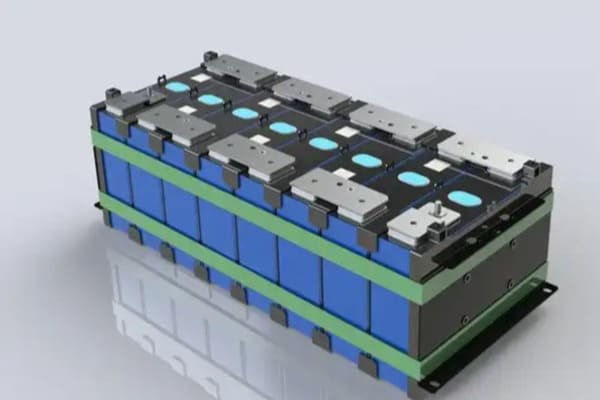
Shipping new energy products, especially large energy storage cabinets, is a core part of my business. I’ve seen firsthand how a simple detail, like the chemical makeup of the battery inside, can completely change the entire logistics plan. Many clients are surprised to learn that not all lithium batteries are treated the same by carriers and customs officials. Getting this wrong isn't just a paperwork error; it can jeopardize your cargo, your schedule, and your budget. That’s why I want to break down the key differences between shipping LFP and NCM storage cabinets, so you can plan your shipments with confidence and avoid costly surprises.
What is the core chemical difference between LFP and NCM batteries?
You’re looking at two battery types, but do you know why they are treated so differently in transit? One is stable, the other is volatile. This difference dictates everything.
LFP batteries use a stable Lithium Iron Phosphate cathode, making them thermally stable and less prone to fire. NCM batteries use a Nickel Cobalt Manganese cathode, which offers higher energy but is chemically less stable and carries a greater risk of overheating and fire during shipping.
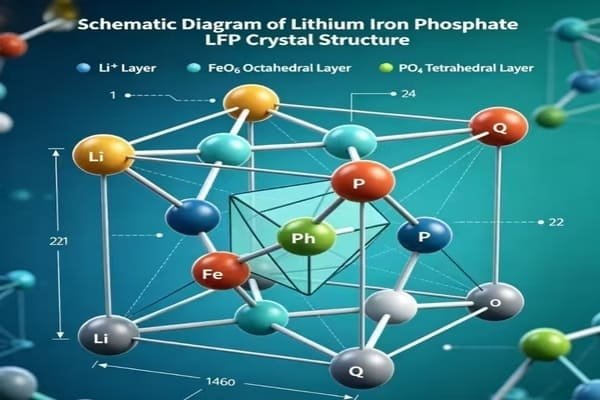
When we plan the shipment of an energy storage cabinet, the first document we check is the Material Safety Data Sheet (MSDS). We are looking specifically for the battery's chemical composition. The difference between LFP and NCM isn't just a technical detail; it's the most important factor for safety. LFP's strength comes from the incredibly strong bond between its phosphorus and oxygen atoms.2 This structure is very stable and doesn't easily break down, even at high temperatures. In contrast, NCM batteries are built for performance, packing more energy into a smaller space.3 However, the nickel and cobalt in their cathodes make them less stable. When stressed, they can break down and release oxygen, which is a key ingredient for fire. This fundamental chemical difference is why the entire logistics industry treats them so differently.
| Feature | LFP (Lithium Iron Phosphate) | NCM (Nickel Cobalt Manganese) |
|---|---|---|
| Cathode Material | LiFePO₄ | Li(NiCoMn)O₂ |
| Thermal Stability | High (stable up to ~270°C)4 | Lower (can become unstable at ~210°C)5 |
| Safety Profile | Excellent, low risk of fire | Higher risk of thermal runaway & fire |
| Energy Density | Lower | Higher |
How does the thermal runaway and fire risk differ during transit?
A fire on a cargo ship is a nightmare scenario. The risk seems remote, but with some batteries, it's a very real concern that dictates all handling procedures.
LFP batteries have a very high tolerance for heat and are extremely unlikely to experience thermal runaway. NCM batteries are much more sensitive; a short circuit or physical damage can trigger a chain reaction,6 releasing oxygen and fueling an intense, hard-to-extinguish fire.
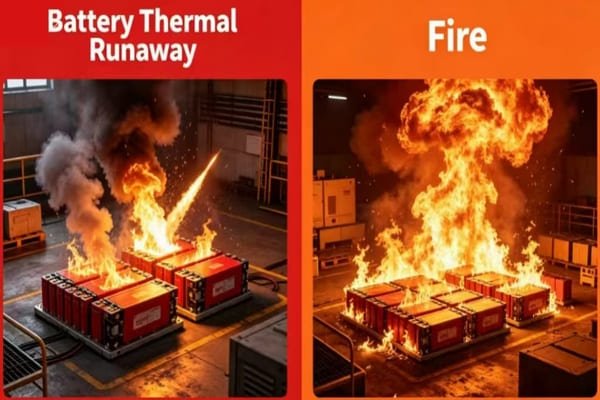
I’ve been in logistics for over 20 years, and nothing gets our attention like the term "thermal runaway." It’s a chain reaction where a battery cell overheats, causing adjacent cells to overheat, leading to a fire or explosion.7 This is the single biggest hazard when shipping lithium batteries. With LFP batteries, this risk is minimal. Their chemical structure is so robust that they can handle high temperatures without breaking down. You need extreme conditions to push an LFP battery into thermal runaway. On the other hand, NCM batteries require our utmost respect and caution. The materials in NCM are more reactive. If an NCM cabinet is damaged by a forklift, or if there's an internal short circuit during the bumpy journey at sea, it can start to overheat. Once it hits its thermal runaway threshold, it not only catches fire but also produces its own oxygen, making the fire self-sustaining and incredibly difficult to put out. This is why we insist on reinforced packaging and careful handling for all NCM shipments.
What are the different IMDG shipping restrictions for LFP and NCM cabinets?
Shipping lines and ports have strict rules for dangerous goods. Are your energy storage cabinets going to be accepted, or will they be rejected at the terminal due to their battery type?
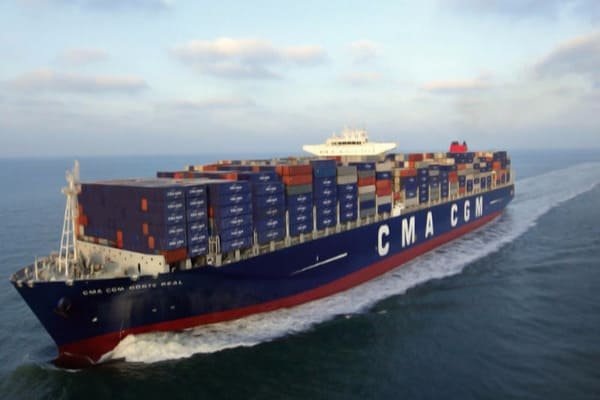
LFP cabinets are widely accepted by carriers with standard dangerous goods procedures. NCM cabinets often face restrictions, requiring special carrier approval, on-deck stowage, and strict separation from other cargo, with some carriers refusing to ship them at all.
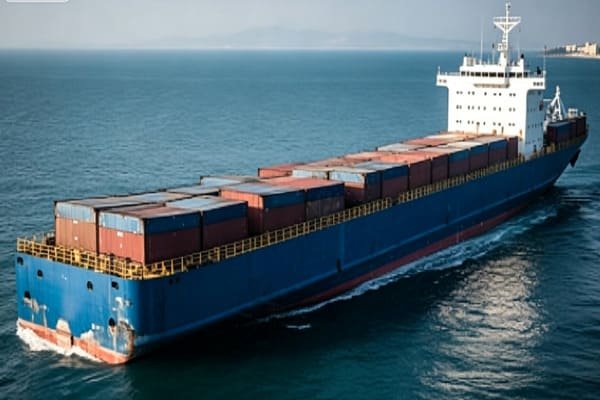
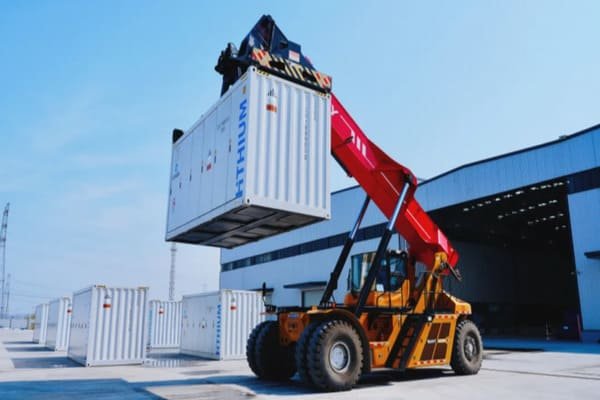
When we book a shipment for an energy storage cabinet, it falls under UN 3536 in the International Maritime Dangerous Goods (IMDG) Code.8 However, how a carrier interprets that code depends entirely on the battery chemistry. For LFP cabinets, the process is quite straightforward. Most major shipping lines accept them as standard dangerous goods. We declare them, ensure proper labeling, and they are typically stowed below deck like other cargo. The situation with NCM is completely different. Many carriers have a special "NCM policy." They see it as a higher-risk cargo. We have to submit the MSDS and technical documents for pre-approval, which can take days. If approved, the carrier will almost always mandate specific, restrictive conditions. This often includes on-deck stowage only, to allow for easier firefighting access, and strict isolation from other dangerous goods. Some carriers simply have a "no NCM" policy. This is why we always verify the battery type before even giving a quote.
| Shipping Aspect | LFP Energy Storage Cabinets | NCM Energy Storage Cabinets |
|---|---|---|
| Carrier Acceptance | Widely accepted | Restricted; requires special approval |
| Stowage on Vessel | Can be stowed below deck | Often mandatory on-deck stowage |
| SOC Limit | Often relaxed (e.g., <30%) | Strict (e.g., <30%, sometimes lower) |
| Port Restrictions | Few | May be rejected by some terminals |
What documents and inspections are required for these two types of cabinets?
You think your paperwork is complete, but is it enough? A missing or incorrect document for a battery shipment can bring your entire supply chain to a halt at the port.
Both LFP and NCM cabinets require an MSDS and UN38.3 test report.9 However, NCM shipments often demand extra scrutiny, including a detailed risk assessment, proof of reinforced packaging, and are more likely to undergo physical inspection by customs and carrier auditors.
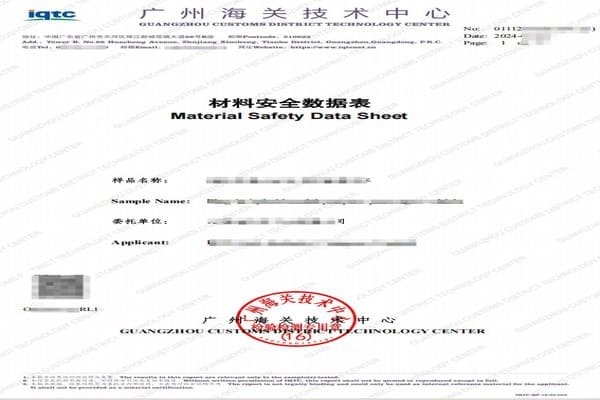
For any energy storage cabinet shipment, a complete and accurate set of documents is non-negotiable. The basics for both LFP and NCM include the Material Safety Data Sheet (MSDS), the UN38.3 test summary which proves the battery has passed safety tests, a dangerous goods declaration, and standard shipping documents. The key difference is the level of scrutiny. When we submit documents for an LFP shipment, officials typically check that everything is present and correctly filled out. For an NCM shipment, the review process is far more intense. We are often asked to provide additional documentation, like a detailed lashing plan or a manufacturer's statement on packaging integrity. More importantly, the chance of a physical inspection increases dramatically. Customs and carrier auditors will want to see the cabinet, verify the labels, and check the packaging to ensure it matches the high-risk nature of the cargo. We always tell our clients: never, ever try to mis-declare an NCM cabinet as LFP. The port authorities have seen it all, and the penalties for getting caught are severe, including massive fines and getting blacklisted by carriers.
What are the best logistics operations for shipping LFP and NCM cabinets?
You have your cabinets built and ready to go. What’s the best way to get them to your customer safely and without delays, considering the battery type inside?
For LFP, focus on efficient, compliant mass-shipping processes. For NCM, a highly customized, risk-averse approach is essential, involving specialized packaging, direct communication with carriers, and comprehensive insurance coverage to mitigate the inherent hazards.
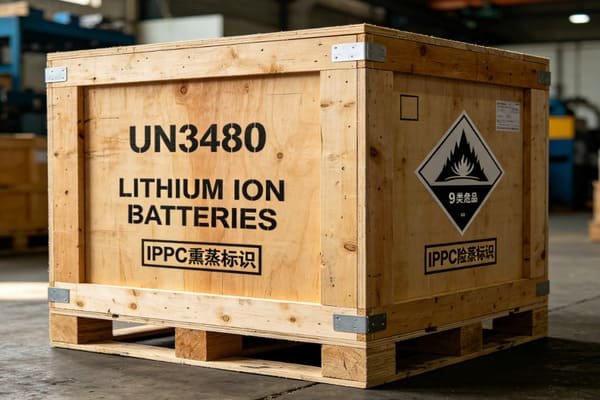
Our operational approach is tailored to the specific risks of each battery type. For our clients shipping LFP energy storage cabinets, who are often in the residential or commercial BESS market, the goal is efficiency and reliability at scale. We streamline the process by ensuring all declarations under UN3536 are perfect, the lashing inside the container is secure for the sea voyage, and we book with carriers that have reliable schedules. It’s a well-managed, standardized process. Shipping NCM cabinets is a completely different service. It's a high-touch, specialized project every time. We start by designing a custom logistics plan. This includes specifying shockproof crating and reinforced lashing. We then engage directly with the carrier’s dangerous goods team to get pre-approval. We handle all the complex documentation and ensure the cargo is delivered to the port with a clear plan for special handling. We also strongly recommend a comprehensive cargo insurance policy that specifically covers NCM batteries. Our job is to manage the heightened risk so that our clients’ high-value equipment gets delivered safely and compliantly.
Conclusion
Understanding the LFP vs. NCM difference is vital for safe and compliant shipping. We manage the unique risks of both, ensuring your energy storage cabinets arrive on time and secure.
[NREL – Battery Safety Research](https://www.nrel.gov/transportation/battery-safety.html) ↩
[Wikipedia – Lithium Iron Phosphate](https://en.wikipedia.org/wiki/Lithium_iron_phosphate) ↩
[NREL – Battery Energy Density and Chemistry (Technical Report)](https://www.nrel.gov/docs/fy21osti/78694.pdf) ↩
[Sandia National Laboratories – Battery Abuse Testing Laboratory](https://www.sandia.gov/ess/tools-resources/battery-abuse-testing/) ↩
[NREL – Battery Thermal Management and Cathode Stability](https://www.nrel.gov/transportation/battery-thermal-management.html) ↩
[UL – UL 9540A Test Method for Thermal Runaway Fire Propagation in Energy Storage Systems](https://www.ul.com/news/ul-9540a-test-method-thermal-runaway-fire-propagation-energy-storage-systems) ↩
[NREL – Thermal Runaway in Lithium-Ion Batteries (Technical Report)](https://www.nrel.gov/docs/fy22osti/82410.pdf) ↩
[PHMSA – Lithium Battery Guide 2024 (UN 3536 / IMDG)](https://www.phmsa.dot.gov/sites/phmsa.dot.gov/files/2024-11/Lithium-Battery-Guide-2024.pdf) ↩
[PHMSA – UN 38.3 Test Summary Requirement](https://www.phmsa.dot.gov/training/hazmat/new-un-requirement-test-summaries) ↩