
Confused about different energy storage cabinets? Choosing the wrong type can be a costly mistake in both purchase and shipping. This guide breaks them all down for you.
An energy storage cabinet, often called a Battery Energy Storage System (BESS), is a self-contained unit that stores electricity for later use1. It includes batteries, a management system, a power converter, and cooling components. They come in residential, commercial, and large container-scale sizes for different needs.
Over my years in global logistics, I've seen these units grow from a niche product to a mainstream solution for energy independence. But I've also seen the massive shipping challenges they present. Understanding what they are is the first step, but knowing how to move them safely across the world is just as important. Let's dive into the details of each type so you can see what I mean.
What Is an Energy storage cabinet? Basic Definition & Core Composition?
The term "energy storage cabinet" sounds technical and complex. Not knowing the basics makes it hard to discuss your needs or plan for shipping. Let's break down its simple core parts.
An energy storage cabinet is a system that stores electrical power. Its main parts are lithium-ion batteries, a Battery Management System (BMS) for safety, a Power Conversion System (PCS) to change electricity types, and a cooling system2. These parts work together to store and release power.
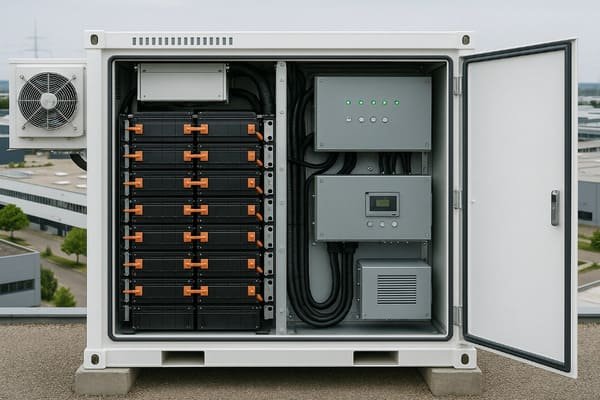
To really understand these systems, especially from a logistics perspective, you need to know what's inside. Each component has a specific job and impacts how we must handle and ship the unit. When we plan a shipment, we look at the cabinet not as one box, but as a collection of sensitive, regulated parts.
Here's a simple breakdown of the main components:
- Battery Cells: This is the heart of the system, where the energy is actually stored. Most modern systems use lithium-ion batteries3. For shipping, this is critical. They are classified as Dangerous Goods (DG Class 9)4, which means they need special packaging, documentation like an MSDS, and handling procedures to be transported legally and safely.
- Battery Management System (BMS): This is the brain. It monitors the health of every battery cell, managing charging and discharging to prevent overheating and extend the battery's life. A reliable BMS is essential for safety, both in operation and during transit.
- Power Conversion System (PCS): This is the translator. It converts the Direct Current (DC) from the batteries into Alternating Current (AC) that homes and businesses use. It also works the other way to charge the batteries.
- Thermal Management System: This is the cooling system. It uses fans or liquid coolants to keep the batteries at a safe operating temperature. This is another key safety feature we check before shipping, as temperature fluctuations during transit can be a risk.
Understanding these parts helps you see why shipping these cabinets requires expertise.
Residential Household Energy Storage Cabinet: For Family Daily Power Use?
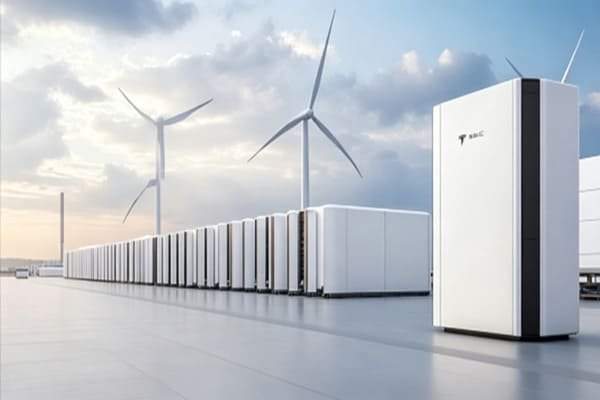
High electricity bills and unexpected power outages are frustrating. Your family can be left in the dark without warning. A residential energy storage cabinet gives you a reliable, and often cheaper, power source.
Residential energy storage cabinets are small units, often mounted on a wall or placed on the floor. They store energy from solar panels or the grid when it's cheap5. You can then use this stored power during peak hours or outages6, saving money and keeping your lights on.
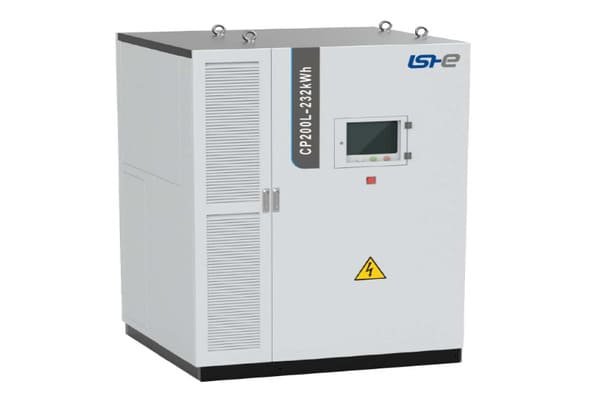
These are the smallest units we handle, designed for individual families. They are perfect for pairing with rooftop solar panels. A homeowner can store free solar energy during the day and use it at night, cutting their reliance on the grid. They also act as a fantastic backup power source. When a storm hits and the power goes out, the cabinet kicks in automatically to run essential appliances like refrigerators, lights, and Wi-Fi.
From a logistics standpoint, these residential units present their own unique challenges.
- Size and Shipping Method: They are relatively compact, maybe the size of a small refrigerator. For very urgent orders, some clients even choose air freight.
- Packaging: While they don't need the heavy-duty crating of larger systems, robust packaging is still vital. The internal electronics are sensitive. We always ensure they are well-protected against bumps and vibrations.
- Dangerous Goods Compliance: This is the most important point. Even though they are small, they contain lithium batteries and are classified as Dangerous Goods. I have seen countless shipments delayed at customs because of missing or incorrect paperwork like the UN38.3 test report or the Material Safety Data Sheet (MSDS)7. It's a common and costly mistake that we help our clients avoid every time.
Commercial & Industrial (C&I) Energy Storage Cabinet: For Factory & Business Park Operation?
Businesses face huge costs from peak electricity rates. An unstable power supply can stop production lines and hurt profits badly. A C&I energy storage cabinet cuts these costs and ensures you can keep operating.
C&I energy storage cabinets are medium-sized systems for businesses, factories, and commercial buildings. They help lower electricity costs by avoiding peak demand charges from the grid8. They also provide critical backup power during outages9, ensuring business operations continue without interruption.
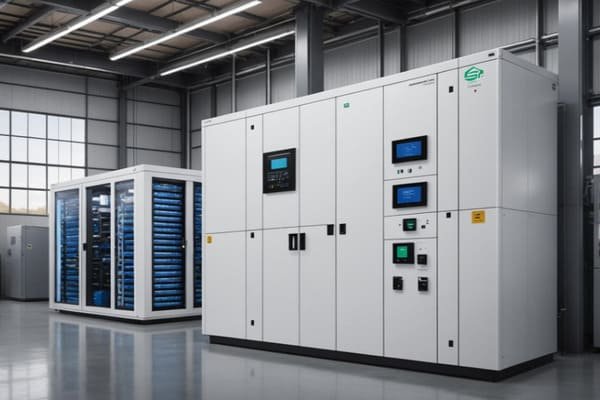
These systems are the next step up in size and power. We see them used by factories, data centers, shopping malls, and office buildings. Their main job is often "peak shaving10." This means they charge up with cheap electricity during off-peak hours (like at night) and then power the business during the day when electricity prices are highest. This can lead to massive savings on utility bills. They also provide a seamless source of backup power for critical machinery or servers, preventing costly downtime during a grid failure.
Shipping C&I cabinets is a more involved process than shipping residential units.
- Handling and Shipping: These cabinets are much larger and heavier, often the size of several server racks. They can't be lifted by hand. We arrange for specialized equipment like forklifts for handling. They are typically shipped on sturdy pallets within a Full Container Load (FCL) if the order is large enough.
- Protection: Securely strapping the units to the pallet is crucial. We also insist on shockproof packaging to protect the sensitive power electronics and battery connections inside. Any damage during transit could lead to system failure.
- Customs and DG Declaration: The amount of lithium in these systems is much higher, so the dangerous goods declaration process is stricter. We have to ensure the container is properly labeled with DG placards and that all paperwork submitted to customs is perfect. Port authorities are very careful with this type of cargo, and any error leads to inspections and delays.
Large Containerized Energy Storage System: Utility-Scale Grid & New Energy Station?
Power grids struggle to handle the unstable nature of renewable energy. This can lead to wasted energy and potential blackouts. Large containerized energy storage systems stabilize the grid for reliable power for everyone.
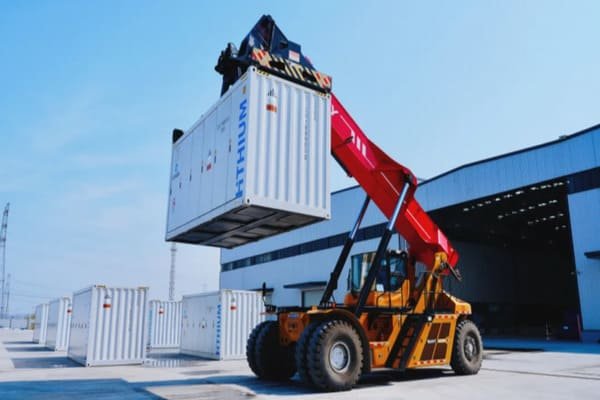
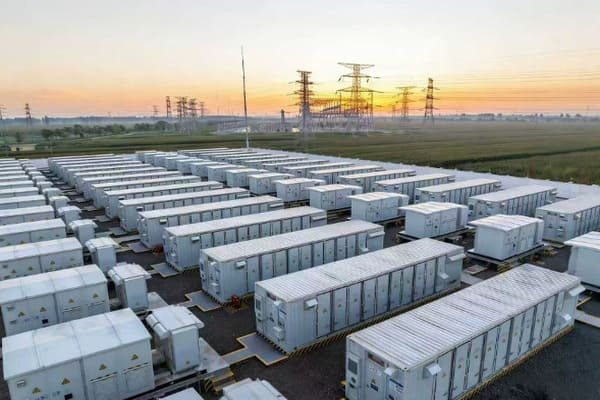
A containerized energy storage system is a massive battery system built inside a standard 20ft or 40ft shipping container11. These are used by power companies and grid operators to store huge amounts of energy from sources like wind and solar, making the entire power grid more stable and reliable.
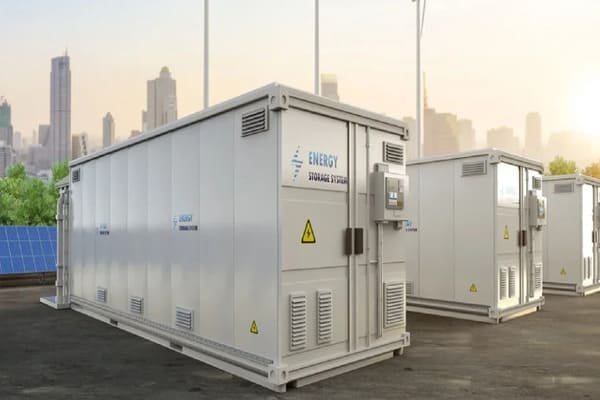
This is the top tier of energy storage. These are not just cabinets; they are self-contained, walk-in power stations. We see them deployed at large solar farms, wind turbine sites, and electrical substations. Their job is to solve the biggest problem with renewables: intermittency12. The sun doesn't always shine, and the wind doesn't always blow. These container systems store the excess energy produced during peak times and feed it back into the grid when production drops. This function, known as grid stabilization and frequency regulation, is essential for building a modern, green energy infrastructure.
Shipping a containerized BESS is what we call "project cargo." It requires a whole different level of logistics planning.
- Specialized Transport: The unit itself is a shipping container, but it's far heavier than a standard container full of goods. It requires heavy-lift cranes at the port for loading and unloading. For ground transport from the port to the final site, we have to arrange for special heavy-haul trucks and chassis, often needing permits for the oversized weight.
- Full-Service Coordination: We manage the entire journey. This includes booking the shipment with a carrier certified to handle such high-capacity dangerous goods, coordinating with both the origin and destination ports, and planning the final "last-mile" delivery to a remote project site.
- Risk Management: The value of these systems is immense, and so is the risk. The dangerous goods declaration is extremely detailed and faces the highest level of scrutiny. One mistake in the paperwork can halt a multi-million dollar project. This is where our expertise as a specialized forwarder becomes indispensable for our clients.
Key Differences & Quick Selection Guide for 3 Types of Energy Storage Devices?
Choosing the right BESS feels overwhelming. Making the wrong choice leads to a wasted investment and a logistical nightmare. This quick guide makes the key differences clear.
Choose residential units for home backup and storing solar power. Select C&I systems for business cost savings and operational stability. Opt for containerized systems for large-scale grid support. The key differences are capacity, size, application, and the increasing complexity and cost of shipping.
| Feature | Residential BESS | C&I BESS | Containerized BESS |
|---|---|---|---|
| Primary Application | Home power backup, solar energy self-use | Business peak shaving, demand response | Grid stabilization, renewable energy integration |
| Capacity Range | 5 - 30 kWh | 50 kWh - 2 MWh | 2 MWh+ |
| Physical Size | Small appliance (e.g., mini-fridge) | 1-4 server racks | 20ft or 40ft shipping container |
| Typical Weight | 100 - 500 kg | 500 - 5,000 kg | 20,000 - 40,000 kg+ |
| Primary Shipping Method | LCL Sea Freight, Air Freight | Palletized FCL Sea Freight | Specialized Project Cargo (FCL) |
| Key Logistics Challenge | Correct DG paperwork (MSDS, UN38.3) for LCL | Secure palletizing, shockproof packaging | Heavy-lift handling, road permits, complex DG |
As you can see, the journey from factory to final destination gets more complex at each level. What starts as a simple parcel-like shipment becomes a major project logistics operation.
Conclusion
Choosing the right energy storage cabinet is just the first step. Ensuring its safe, compliant, and timely global delivery requires a specialized logistics partner who understands the details.
"Solar Integration: Solar Energy and Storage Basics", https://www.energy.gov/cmei/systems/solar-integration-solar-energy-and-storage-basics. A neutral energy-storage overview from a government or research institution can support that a battery energy storage system stores electrical energy for later discharge; this supports the definition but does not verify every product configuration described in the article. Evidence role: definition; source type: government. Supports: An energy storage cabinet/BESS is a self-contained unit that stores electricity for later use.. Scope note: Supports the general definition of BESS, not the specifications of any particular cabinet model. ↩
"An Approach for Designing Thermal Management Systems ...", https://www.nrel.gov/docs/fy99osti/25992.pdf. Technical descriptions from NREL, DOE, or an academic source can substantiate that BESS installations commonly include battery modules, monitoring/control systems, power conversion equipment, and thermal management; this is contextual because system architecture varies by manufacturer and application. Evidence role: definition; source type: research. Supports: The main components of an energy storage cabinet include lithium-ion batteries, BMS, PCS, and a cooling or thermal management system.. Scope note: Component lists differ across BESS designs, chemistries, and scale. ↩
"Storage Technology Modeling Input Data Report", https://www.nrel.gov/docs/fy21osti/78694.pdf. An energy-storage market or technology report from IEA, DOE, or NREL can support that lithium-ion batteries are the dominant chemistry in contemporary battery energy storage deployments; the evidence is market-level and may not apply to all niche or emerging chemistries. Evidence role: statistic; source type: institution. Supports: Most modern battery energy storage systems use lithium-ion batteries.. Scope note: Dominance varies by region, use case, and year, and other chemistries are also deployed. ↩
"[PDF] Lithium Battery Guide for Shippers - PHMSA", https://www.phmsa.dot.gov/sites/phmsa.dot.gov/files/2024-11/Lithium-Battery-Guide-2024.pdf. UN, IATA, or national transport regulations classify lithium batteries as Class 9 miscellaneous dangerous goods for transport; this directly supports the logistics classification but not the article’s broader claims about every shipment delay scenario. Evidence role: general_support; source type: institution. Supports: Lithium batteries in energy storage systems are classified as Dangerous Goods, Class 9, for transport.. Scope note: Specific classification and packing instructions depend on battery type, watt-hour rating, state of charge, and transport mode. ↩
"Solar-Plus-Storage 101", https://www.energy.gov/cmei/systems/articles/solar-plus-storage-101. Government or research-lab material on behind-the-meter storage can support that residential batteries can charge from rooftop solar or from the grid during low-price periods; this supports the operating concept but not the savings level for a specific household. Evidence role: mechanism; source type: government. Supports: Residential energy storage systems can store electricity from solar panels or the grid during low-cost periods.. Scope note: Economic benefit depends on tariff design, solar output, battery size, and local regulations. ↩
"Solar and Resilience Basics", https://www.energy.gov/cmei/systems/solar-and-resilience-basics. A DOE, NREL, or university source on residential battery storage can support that stored electricity may be discharged during peak-price periods or grid outages; the evidence is general and does not guarantee automatic backup capability in all installations. Evidence role: mechanism; source type: government. Supports: Residential batteries can discharge stored power during peak hours or outages.. Scope note: Outage backup requires compatible inverter, transfer equipment, and system configuration. ↩
"Lithium Battery Test Summaries (TS) - PHMSA", https://www.phmsa.dot.gov/training/hazmat/new-un-requirement-test-summaries. UN transport testing rules and hazardous-materials documentation guidance can support that lithium batteries are subject to UN 38.3 testing and safety documentation requirements for transport; the source may not establish that both documents are required in every jurisdiction or shipment mode. Evidence role: general_support; source type: institution. Supports: Lithium battery shipments commonly require documentation such as UN38.3 test evidence and safety data information.. Scope note: Document requirements vary by carrier, country, product configuration, and mode of transport. ↩
"Meter Energy Storage for Demand Charge Reduction", https://www.nrel.gov/docs/fy15osti/63162.pdf. Research-lab and utility-rate literature describes demand-charge management using battery storage, where batteries reduce a customer’s maximum grid demand during billing intervals; this supports the mechanism but not the magnitude of savings for a given business. Evidence role: mechanism; source type: research. Supports: Commercial and industrial energy storage can reduce costs by avoiding or reducing peak demand charges.. Scope note: Savings depend on demand-charge structure, load profile, battery dispatch, and local tariffs. ↩
"Solar and Resilience Basics", https://www.energy.gov/cmei/systems/solar-and-resilience-basics. Institutional guidance on commercial battery energy storage can support that BESS can provide backup or resiliency services during grid outages; the support is contextual because backup duration and load coverage depend on system design. Evidence role: general_support; source type: government. Supports: C&I battery energy storage systems can provide backup power during outages.. Scope note: Not all C&I systems are configured for islanding or backup operation, and runtime depends on capacity and load. ↩
"Deployment of Behind-The-Meter Energy Storage for Demand ...", https://research-hub.nrel.gov/en/publications/deployment-of-behind-the-meter-energy-storage-for-demand-charge-r/. Technical literature defines peak shaving as reducing peak electricity demand, often by discharging storage during high-load periods; this supports the term and operating mechanism but not the article’s implied scale of bill savings. Evidence role: definition; source type: paper. Supports: Peak shaving means charging storage during lower-demand or lower-cost periods and discharging it to reduce peak grid demand.. Scope note: The financial effect varies by tariff, demand profile, and control strategy. ↩
"Procedure for Assessing the Suitability of Battery Second ...", https://www.nrel.gov/docs/fy22osti/84527.pdf. Technical descriptions of containerized battery energy storage systems can support that utility-scale BESS units are often integrated into ISO-style 20-foot or 40-foot containers; this is contextual because some utility projects use modular enclosures or custom buildings instead. Evidence role: definition; source type: research. Supports: Containerized energy storage systems are commonly built into standard 20ft or 40ft shipping-container formats.. Scope note: Containerized form factors are common but not universal for large BESS installations. ↩
"Impact of High Solar Penetration in the Western ...", https://docs.nrel.gov/docs/fy11osti/49667.pdf. IEA, NREL, or grid-integration literature documents that wind and solar generation are variable resources whose output changes with weather and time of day; this supports the intermittency context but does not by itself prove that a specific BESS project solves all grid-integration challenges. Evidence role: general_support; source type: institution. Supports: Wind and solar power have variable output, creating intermittency challenges for grid operation.. Scope note: The term is broad, and grid impacts depend on penetration level, forecasting, transmission, and market design. ↩