
Shipping energy storage systems without knowing their exact size is a huge risk. This can lead to rejected shipments, customs fines, and costly delays for your entire project.
The size and weight of an energy storage system directly determine its shipping method. Small residential units can often ship via economical LCL, while larger 1MWh and 2MWh containerized BESS are heavy, oversized cargo requiring dedicated FCL services, special handling, and overweight declarations.
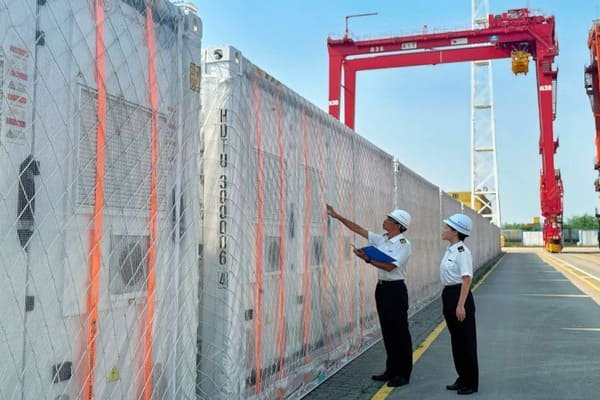
Getting the dimensions and weight wrong on your shipping documents is a mistake I've seen cost clients thousands. An inaccurate declaration can trigger an immediate rejection by the shipping line or cause the container to be detained by customs for inspection. This not only leads to unexpected fines but also completely disrupts your project timeline. The difference between a small home battery and a utility-scale container is massive, and your logistics plan must reflect that reality from the very beginning. Let's break down exactly what you need to know to avoid these problems.
How Are Energy Storage Cabinets Classified for Shipping?
It can be confusing to categorize different energy storage systems. Using the wrong classification can completely derail your logistics plan and throw your budget out the window.
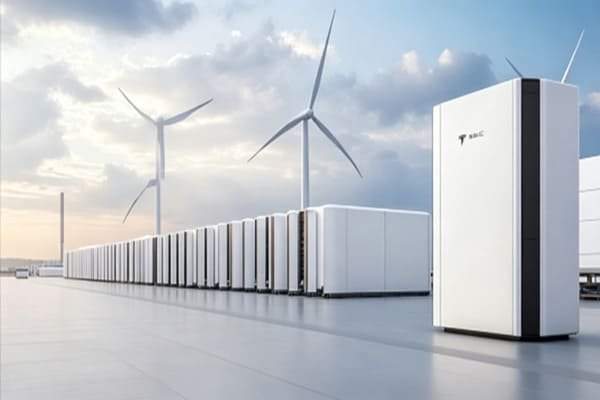
For logistics purposes, we classify energy storage cabinets by two main factors: their application (residential vs. commercial) and their capacity (kWh/MWh).1 This simplifies them into three groups: small residential units, mid-size 1MWh container systems, and large-scale 2MWh+ container systems.
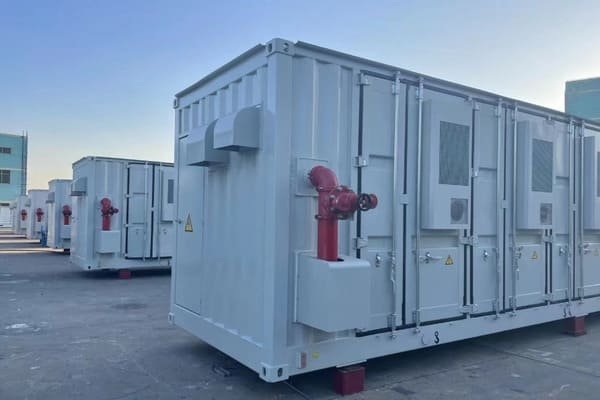
Understanding this classification is the first step in building a successful shipping strategy. The category your system falls into dictates everything from the type of transport you'll use to the specific documents you'll need. A system's capacity, measured in kilowatt-hours (kWh) or megawatt-hours (MWh), has a direct relationship with its physical size and total weight.2 More power almost always means more battery cells, larger inverters, and more robust cooling systems, all of which add up. I always tell my clients to start here. Once we know the classification, we can build a precise and compliant logistics plan.
Key Classification Tiers
| Classification Tier | Typical Application | Logistics Impact |
|---|---|---|
| Residential | Home energy backup, solar storage | Small, manageable weight. Ideal for LCL. |
| Commercial (C&I) | Businesses, factories, charging stations | Often requires a dedicated 20ft container. |
| Utility-Scale | Grid support, power plants | Massive, heavy-lift cargo in 40ft containers. |
What Are the Typical Dimensions and Weight of a Small Residential Energy Storage Cabinet?
You are ready to ship residential battery units, but you are not sure of the exact size. Guessing the dimensions can lead you to overpay for freight or have your cargo rejected.
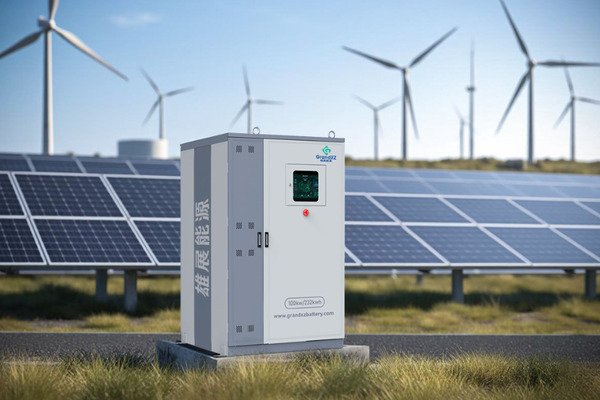
A typical residential energy storage cabinet is about the size of a small refrigerator and weighs between 100 kg and 300 kg. Its manageable size and weight make it a perfect candidate for Less-than-Container Load (LCL) shipping, which is a very cost-effective option.3
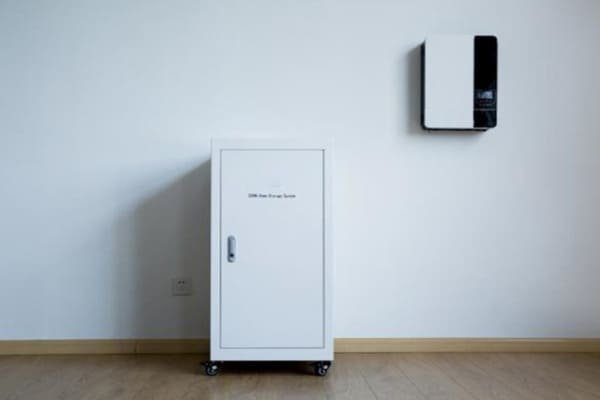
When we talk about residential units, we're generally looking at dimensions around 1.2 meters high, 0.6 meters wide, and 0.4 meters deep. Because of their relatively low weight, they don't require heavy-lift equipment. This is why LCL shipping works so well. We can consolidate your cabinets with other clients' cargo going to the same destination, so you only pay for the space you use inside the container.
However, even these smaller units are classified as dangerous goods (DG), usually under UN3536.4 This means proper packaging is non-negotiable. They must be secured in sturdy wooden crates, often on a pallet, with internal shockproof materials to protect them during transit. I once helped a client who correctly palletized three residential units together, creating a single, stable block. This simple step not only ensured their safety but also optimized their space in a shared container, saving them a significant amount on their total freight cost.
What Are the Full Dimensions and Weight of a 1MWh BESS in a 20ft Container?
You need to ship a 1MWh Battery Energy Storage System (BESS). These units are extremely heavy and can easily exceed the standard weight limits for a typical container shipment.
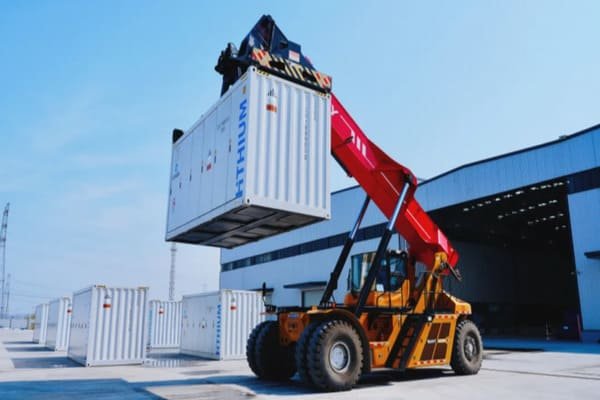
A 1MWh BESS is almost always integrated into a standard 20ft container. While the external dimensions are fixed (6.06m x 2.44m x 2.59m), the critical factor is its gross weight, which can be anywhere from 15 to 25 tons, often making it an "overweight" shipment.
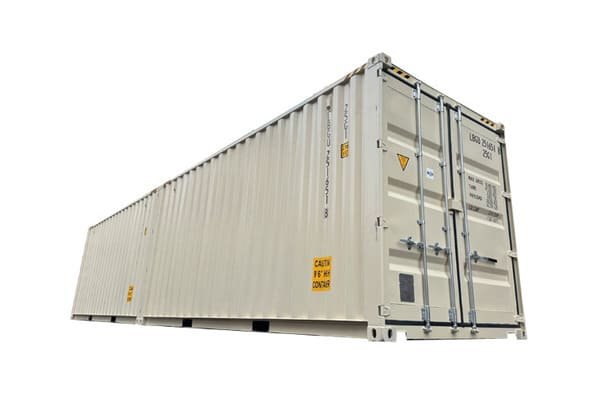
A standard 20ft container's payload is typically around 21.6 tons.5 A 1MWh BESS, packed with battery racks, a power conversion system (PCS), and cooling units, can easily push this limit. When a container's gross weight exceeds the standard allowance, it requires special handling. As your freight forwarder, this is where we step in. We must declare the cargo as "overweight" during the booking process with the ocean carrier.
This has major implications for inland transport as well. The container cannot be moved on a standard truck chassis. It requires a specialized tri-axle chassis to legally and safely distribute the weight on the road.6 We also have to file for overweight permits with ports and local authorities. For one project shipping to the US, we had to pre-plan the entire trucking route from the port to the final site to ensure all bridges could handle the load. Accurate weight declaration from the factory is essential; any surprises at the port lead to delays and penalties.
How Big and Heavy is a 2MWh BESS in a 40ft High Cube Container?
Shipping a massive 2MWh BESS seems like a huge challenge. Its immense size and weight create unique logistics problems for every single step of the journey from factory to site.
A 2MWh BESS is typically shipped in a 40ft High Cube (HC) container.7 Its dimensions are approximately 12.2m long, 2.44m wide, and 2.9m tall. The gross weight is substantial, often between 30 and 40 tons, which firmly classifies it as heavy-lift project cargo.
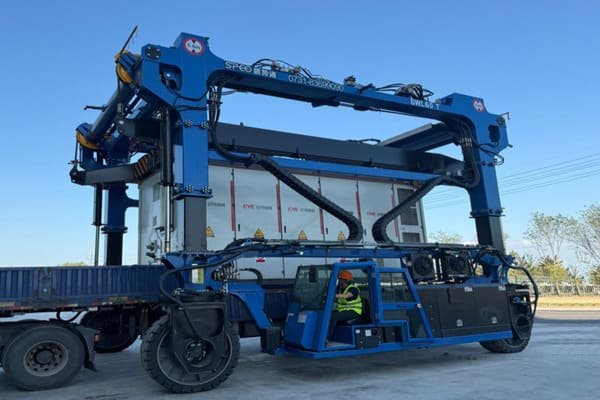
This is no longer a standard container shipment; it's a full-blown project cargo operation. The 40ft HC container is used to provide extra vertical space for the stacked battery modules and complex cooling systems. The sheer weight, often approaching 40 tons, puts it far beyond the capacity of standard port equipment and road transport.
To handle this, we coordinate with the port to arrange for heavy-lift cranes. For inland transport, we use special multi-axle trailers and conduct detailed route surveys to identify and avoid potential obstacles like low bridges or roads with weight restrictions. Everything must be planned with precision. As a UN3536 dangerous good, the lashing and securing of the internal components are also critical to prevent any movement during the sea voyage. Our team at Deeplinker has managed these complex door-to-door moves for years, ensuring every detail is covered for a safe and successful delivery.
How Do You Choose the Right Logistics Plan for Each Type of Energy Storage Cabinet?
You have different types of energy storage systems to ship around the world. A one-size-fits-all shipping strategy will only lead to wasted money or serious compliance failures.
Matching your logistics plan to the specific cabinet type is the key to an efficient and compliant shipment. You must tailor your approach based on the system's unique size, weight, and handling requirements.
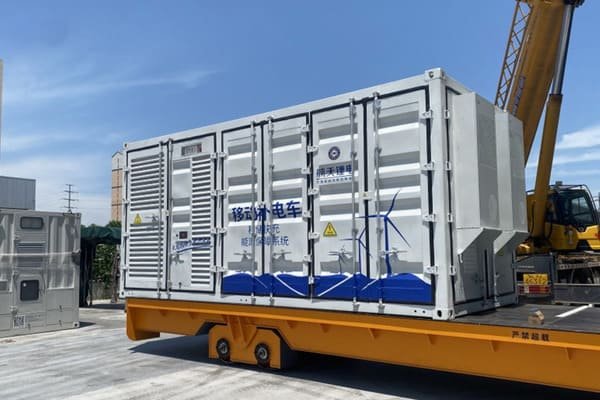
The right logistics plan balances cost, safety, and speed. A strategy that works for a small home battery will fail for a containerized BESS. Below is a clear breakdown to help you match the shipping plan to the product.
Comparison and Logistics Matching
| Cabinet Type | Typical Capacity | Dimensions (Approx.) | Weight (Approx.) | Recommended Shipping Mode | Key Logistics Challenge |
|---|---|---|---|---|---|
| Residential ESS | 5-30 kWh | 1.2 x 0.6 x 0.4 m | 100-300 kg | LCL (Less-than-Container Load) | Proper DG packaging and crating. |
| 1MWh BESS | 1 MWh | 20ft Container | 15-25 tons | FCL (Full Container Load) - Overweight | Accurate weight declaration; use of tri-axle chassis. |
| 2MWh BESS | 2 MWh+ | 40ft HC Container | 30-40 tons | Project Cargo / Break Bulk | Heavy-lift handling and specialized inland transport. |
For your residential units, our focus is on expert consolidation to give you the best LCL rates. For the 1MWh BESS, we secure FCL bookings with overweight declarations and coordinate the special chassis needed for delivery. For the massive 2MWh systems, we manage the entire project from end to end, including all heavy-lift operations and route planning. At Deeplinker, we provide these specialized, one-stop services for all grades of energy storage cabinets, ensuring your cargo arrives safely and on time.
Conclusion
Accurate dimensions and weight are not just details; they define your entire shipping strategy. Getting them right from the start ensures a safe, compliant, and timely delivery of your cargo.
[U.S. DOE – Solar-Plus-Storage 101](https://www.energy.gov/cmei/systems/articles/solar-plus-storage-101) ↩
[NREL – Energy Storage System Technical Report](https://docs.nrel.gov/docs/fy19osti/74426.pdf) ↩
[Wikipedia – Less than Container Load (LCL)](https://en.wikipedia.org/wiki/Less_than_container_load) ↩
[PHMSA – Lithium Battery Guide 2024 (UN3536)](https://www.phmsa.dot.gov/sites/phmsa.dot.gov/files/2024-11/Lithium-Battery-Guide-2024.pdf) ↩
[Wikipedia – Intermodal Container](https://en.wikipedia.org/wiki/Intermodal_container) ↩
[FHWA – Bridge Formula Weights](https://ops.fhwa.dot.gov/Freight/publications/brdg_frm_wghts/index.htm) ↩
[Wikipedia – Shipping Container](https://en.wikipedia.org/wiki/Shipping_container) ↩