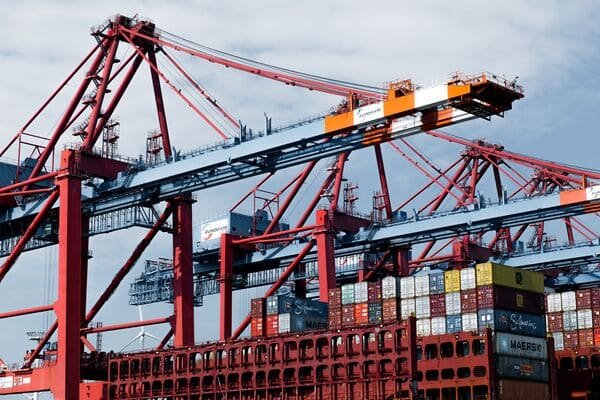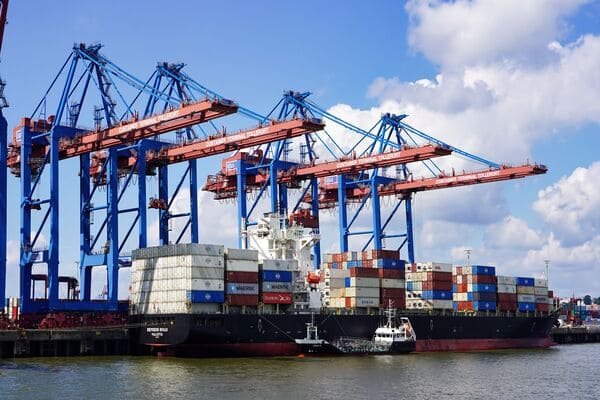


Shipping cargo from China through Middle East-related trade lanes has become more complicated in 2026.
Security risks around key maritime corridors can affect vessel operations, freight rates, carrier surcharges, and marine insurance costs. For importers consolidating products from multiple Chinese suppliers, there is another challenge: making sure the insurance declaration accurately reflects the different goods packed into the shipment.
This is particularly important when one consolidated shipment contains different product categories, values, suppliers, or potentially sensitive cargo such as batteries.
This guide explains what shippers should watch for before consolidating and exporting cargo from China.
1. What Are War Risk and Emergency Shipping Surcharges?
When security conditions deteriorate along an important shipping route, carriers may introduce or adjust additional charges to reflect higher operating costs and risks.
Depending on the carrier and route, shippers may encounter charges related to:
- War or piracy risks
- Emergency operational conditions
- Route diversions
- Suez Canal transit
- Security measures
- Higher insurance and operating costs
These charges should not automatically be treated as the same thing as marine cargo war-risk insurance.
A carrier surcharge is part of the transportation price charged by the shipping line, while cargo insurance is coverage arranged for the goods themselves under specific policy terms.
A 2026 Example
On September 3, 2026, MSC announced that cargo moving from Asia to a range of East Mediterranean and Black Sea destinations would be subject to additional charges from September 15, 2026:
- Piracy Risk Surcharge (PRS): USD 55 per TEU
- Suez Canal Surcharge (SCS): USD 36 per TEU
The affected destinations include Istanbul, Mersin, Poti, Batumi, Constanta and Varna, among others.1
This illustrates an important point for exporters: cargo does not necessarily have to terminate in a high-risk area for regional security conditions to affect the final freight cost.

2. How Middle East Disruptions Affect China Export Costs
The Middle East remains strategically important to global container shipping because of routes such as the Suez Canal, Red Sea and Strait of Hormuz.
When security risks increase, the financial impact can spread beyond the immediate conflict area.
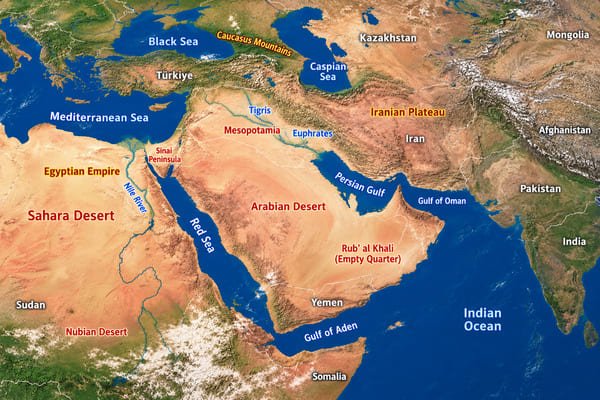
Shippers may face:
- Higher freight rates
- New or adjusted carrier surcharges
- Higher marine insurance costs
- Longer transit times due to rerouting
- Changes to vessel schedules
- More frequent quotation revisions
The scale of the insurance impact can be significant.
According to Singapore's Ministry of Transport, industry estimates as of July 2026 indicated that war-risk cover for vessel transits through the Strait of Hormuz had risen to approximately 3.5%–7.5% of hull and machinery value per transit, compared with around 0.10%–0.25% before the conflict.2
The same source reported that Asia–North Europe container freight rates were about 120% higher than before the conflict at that point, although still below the highest levels seen during the 2024 Red Sea disruption.2
For importers, this means a freight quotation received several weeks ago may no longer represent the actual cost when the cargo is ready.
This is especially important for consolidated shipments because cargo from several factories may take longer to collect, inspect and prepare before the final booking.
3. Why Consolidated Cargo Is More Complicated to Insure
A normal shipment may contain one product purchased from one supplier.
A consolidated shipment can be very different.
For example, an importer may purchase:
| Supplier | Cargo | Invoice Value |
|---|---|---|
| Supplier A | LED Lighting | USD 18,000 |
| Supplier B | Furniture | USD 12,000 |
| Supplier C | Electronic Accessories | USD 8,000 |
| Supplier D | Battery-Powered Devices | USD 15,000 |
| Total | Consolidated Shipment | USD 53,000 |
The four shipments may eventually be loaded and transported together, but they are not necessarily identical from an insurance perspective.
Before insurance is arranged, the shipper or importer should make sure the information submitted to the insurer or insurance broker accurately reflects the actual shipment.
Important information may include:
- Correct cargo descriptions
- Total insured value
- Individual invoice values
- Quantity and packing information
- Origin and destination
- Transport route
- Special cargo characteristics
- Battery or dangerous goods information
- Other information required under the applicable policy
Simply describing everything as "General Merchandise" may not provide enough information in every case.
This becomes particularly important when the consolidated shipment contains batteries, dangerous goods, high-value products, fragile goods, or products that may be subject to specific insurance conditions.
Marine war-risk coverage should also not be assumed automatically. War-related risks are often subject to specific clauses, exclusions, geographic conditions or additional premiums depending on the insurance arrangement.3
4. Common Insurance Document Mistakes in Multi-Supplier Shipments
Many insurance problems begin before the cargo leaves China.
When several suppliers send goods to the same consolidation warehouse, documents should be reviewed before the final shipment is booked.
Using Overly General Cargo Descriptions
Descriptions such as:
General Goods
Accessories
Parts
Merchandise
may be too broad to properly identify what is actually being shipped.
Use accurate descriptions that correspond with the commercial and shipping documents.
Missing Cargo from One Supplier
If five suppliers deliver cargo but the final insurance declaration only reflects four, the declared shipment may not accurately represent the goods being transported.
The final cargo list should therefore be checked against all supplier invoices and packing lists.
Incorrect Declared Value
The insured value should be calculated according to the applicable insurance terms and supported by accurate commercial information.
When multiple invoices are involved, it is easy to overlook one supplier or use an outdated invoice value.
Failing to Identify Batteries or Dangerous Goods
A consolidated shipment may contain ordinary products from several suppliers and one shipment containing lithium batteries or another regulated product.
That cargo should not simply disappear inside a general consolidated description.
Relevant characteristics should be disclosed where required, and the necessary transport and insurance documentation should be checked before loading.
Inconsistent Documents
Cargo descriptions, quantities, values, weights and other important information should be consistent across the relevant documents.

For example:
Commercial Invoice: LED Lighting Fixtures
Packing List: LED Lamps
Insurance Declaration: Electronic Products
These descriptions may refer to related products, but inconsistent terminology can create unnecessary questions during a claim or document review.
Documentation errors do not automatically mean an insurance claim will be rejected. The outcome depends on the policy wording, the nature of the loss, disclosure requirements and other circumstances.
However, inaccurate or incomplete information can lead to claim delays, coverage disputes or additional investigation.
5. Pre-Shipment Checklist for Consolidated Cargo from China
Before cargo from multiple suppliers leaves China, use a final document and cost review.
Cargo Documentation
All suppliers are included in the final cargo list Product descriptions are accurate Commercial invoices have been collected Packing lists match the physical cargo Carton quantities are confirmed Gross and net weights are checked Cargo values are verified
Special Cargo
Lithium batteries are identified Dangerous goods are correctly declared Required supporting documents are available Special insurance requirements have been checked
Insurance
All relevant cargo categories are disclosed Insured value has been verified Route and destination are correct War-risk coverage has been confirmed where needed Policy exclusions and special conditions have been reviewed
Freight Costs
Current ocean freight rate is confirmed War/piracy-related surcharges are checked Suez or other route-related surcharges are checked Quote validity is confirmed Potential surcharge changes before departure are understood
For multi-supplier shipments, this final review is particularly important because a mistake involving only one supplier can create problems for the entire consolidated shipment.
FAQ
Is a war risk surcharge the same as cargo war-risk insurance?
No. A carrier's war or piracy-related surcharge is an additional transportation charge imposed by the shipping line. Cargo war-risk insurance relates to insurance coverage for the goods and is governed by the applicable policy terms. Shippers should check both separately.
Should every product be listed when insuring consolidated cargo?
The insurance declaration should accurately describe the shipment in accordance with the insurer's or broker's requirements. When cargo from multiple suppliers contains materially different product categories, especially batteries, dangerous goods or high-value goods, shippers should avoid relying on vague descriptions and confirm the required level of detail with their insurer or broker.
Can war-risk and other shipping surcharges change after I receive a freight quote?
Yes. Security conditions, routing decisions, carrier policies and insurance costs can change quickly. Shippers should check the quotation validity and reconfirm applicable surcharges before booking or departure.
Conclusion
Middle East shipping risks in 2026 are affecting more than vessels sailing directly to high-risk destinations. Changes in security conditions around the Red Sea, Suez Canal, Strait of Hormuz and surrounding waters can influence freight rates, carrier surcharges, insurance costs and routing decisions across wider trade lanes.
For companies consolidating cargo from multiple suppliers in China, cost is only part of the risk.
Accurate cargo descriptions, invoice values, packing information and special cargo declarations are essential when arranging insurance for a mixed shipment. Before departure, shippers should review both the latest carrier surcharges and the insurance documentation covering the cargo.
A final pre-shipment check can help reduce unexpected freight costs, document discrepancies and potential insurance disputes after the cargo has already left China.
References
[MSC – Piracy Risk and Suez Canal Surcharges: Trades from Asia to East Mediterranean and Black Sea](https://www.msc.com/en/newsroom/customer-advisories/2026/september/piracy-risk-and-suez-canal-surcharges-trades-from-asia-to-east-mediterranean-and-black-sea) ↩
[Singapore Ministry of Transport – Increases in War Risk Insurance Premiums, Marine Insurance Costs and Freight Rates](https://www.mot.gov.sg/news-resources/newsroom/increases-in-war-risk-insurance-premiums--marine-insurance-costs-and-freight-rates-due-to-us-iran-conflict/) ↩
[Allianz Commercial – Safety and Shipping Review: Marine War Insurance](https://commercial.allianz.com/news-and-insights/reports/shipping-safety.html) ↩