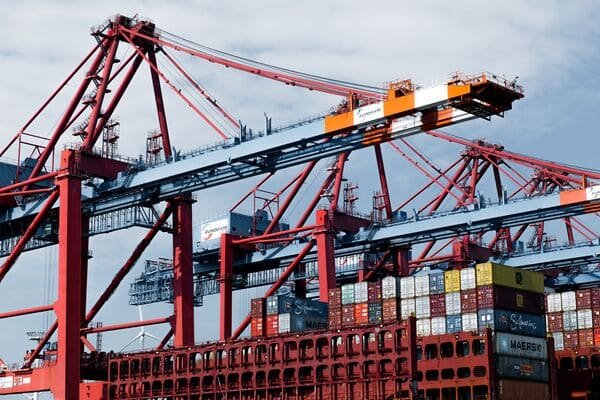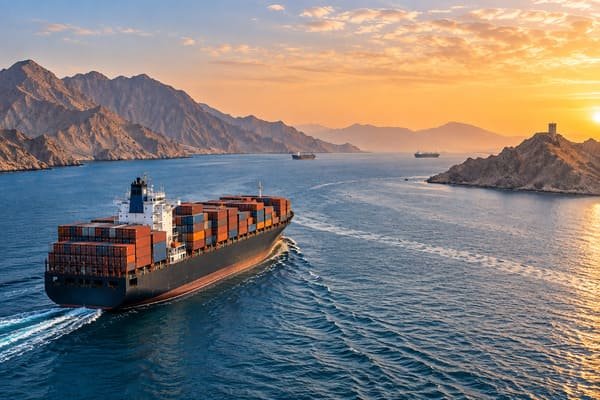

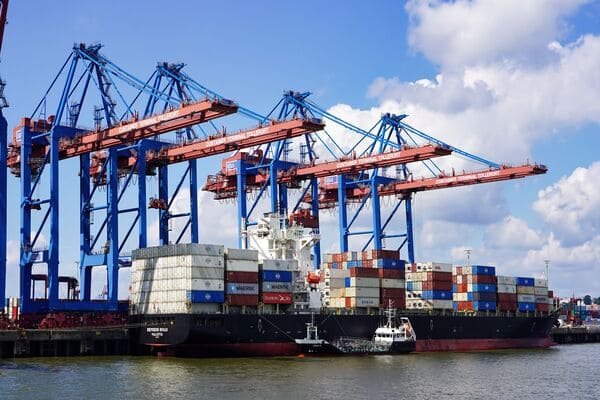
Peak shipping season is always a difficult period for exporters, freight forwarders and importers. But in 2026, the situation is more complicated than usual.
Shippers exporting from China are facing a combination of port congestion, peak season surcharges, changing carrier schedules, blank sailings, weather disruptions, canal risks and geopolitical uncertainty. For companies that rely on stable delivery schedules, these factors can quickly increase logistics costs and delay cargo movement.
This article explains the main risks during the 2026 peak shipping season and provides a practical checklist for China exporters and overseas buyers.
Why the 2026 Peak Shipping Season Is More Complicated
The traditional peak shipping season usually starts when importers begin preparing inventory for year-end sales, holiday demand and seasonal retail cycles. For China exports, this often means higher booking pressure from July to October, especially before China’s National Day Golden Week holiday.
In 2026, however, the market is affected by more than normal seasonal demand. Global shipping networks are still dealing with schedule instability, weather-related delays, capacity adjustments and rerouting risks in major trade lanes.1 Maersk’s September Asia Pacific market update also noted that seasonal weather and terminal congestion may affect vessel schedules and create knock-on impacts across later sailings.
For shippers, this means one important thing: even if cargo is ready on time, shipping space, vessel schedules and final delivery times may still change.
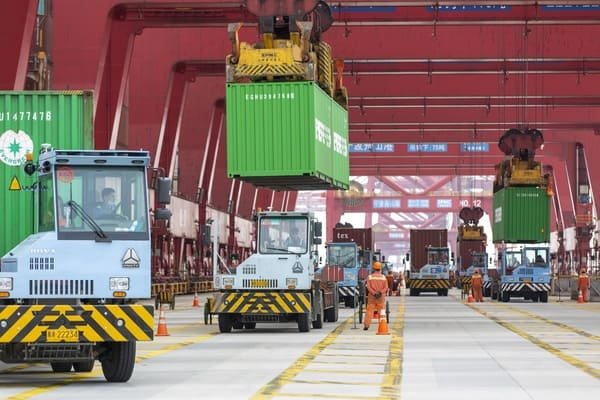
- Port Congestion at Major China Export Gateways
During peak season, major China export ports often face heavier container volumes, tighter trucking appointment slots and longer waiting times for vessel loading.
Key export gateways such as Shanghai, Ningbo, Shenzhen, Qingdao and Guangzhou/Nansha are especially important because they handle large volumes of ocean freight from factories across East China, South China and North China.
Common congestion risks include:
Longer container gate-in time
Limited trucking availability
Delayed vessel berthing
Yard congestion at terminals
Increased risk of missed cut-off
Slower container release after schedule changes
Weather can make the situation worse. In 2026, market updates reported that severe weather and typhoon-related disruption in China affected major ports such as Shanghai and Ningbo, creating backlog pressure in the ocean freight network.
For exporters, port congestion does not only mean “vessels are late.” It can also affect factory loading plans, customs declaration timing, warehouse storage and inland trucking costs.
- Peak Season Surcharges and Rate Volatility
Peak season usually brings higher freight rates. In 2026, shippers should pay close attention to Peak Season Surcharges (PSS), General Rate Increases (GRI), equipment imbalance charges and route-specific surcharges.
A freight quotation that looks acceptable today may not remain valid for long. During a tight market, carriers and forwarders may update rates more frequently, especially on high-demand routes.
Typical cost risks include:
Cost Item
What It Means
Risk for Shippers
Peak Season Surcharge
Extra charge added during high-demand periods
Total freight cost increases
General Rate Increase
Carrier rate adjustment
Quotation may change quickly
Equipment Surcharge
Extra cost due to container shortage
Higher cost for 40HQ or special containers
Congestion Surcharge
Charge caused by port delays
Unexpected destination or origin fees
Emergency/Rerouting Surcharge
Charge caused by route disruption
Higher cost when vessels avoid risky areas
For businesses with strict landed-cost calculations, rate volatility can directly affect profit margins.2 This is especially important for e-commerce cargo, retail products, machinery, construction materials and consolidated shipments from multiple suppliers.
- Blank Sailings and Reduced Effective Capacity
A blank sailing means a scheduled vessel voyage is cancelled or skipped. Carriers may use blank sailings to adjust capacity, balance demand or respond to port congestion and route delays.
For shippers, the problem is not only the cancelled sailing itself. The bigger problem is that cargo originally planned for one vessel may be pushed to the next available sailing. This can create a chain reaction:
The original vessel is cancelled.
Containers are rolled to a later sailing.
The next vessel becomes overbooked.
Cargo may miss the planned delivery window.
Storage, demurrage or destination delay risks increase.
Drewry’s container market updates continue to track cancelled sailings, spot rate movements and schedule reliability as key market signals in 2026. This shows that effective capacity is not only about how many vessels exist, but also whether those vessels are actually available on the required route and week.
For shippers exporting from China, booking early is important, but it is also necessary to monitor whether the sailing is stable.
- Golden Week Booking Pressure
China’s National Day Golden Week is one of the most important logistics pressure points in the export calendar. Factories, warehouses, trucking companies, customs brokers and some logistics service providers may operate at reduced capacity or close during the holiday period.
In 2026, Golden Week falls in early October. For exporters, the pressure usually starts several weeks before the holiday because many shippers want to move cargo before factories close.
Golden Week may cause:
Earlier booking deadlines
Tighter container space
Factory loading congestion
Limited trucking availability
Earlier document cut-off
Post-holiday cargo backlog
More risk of rolled bookings
Carriers also adjust networks around Golden Week. For example, Maersk announced Asia–Europe network changes before the 2026 Golden Week period, including blank sailing arrangements to balance demand and workforce conditions.
For shippers, the best strategy is not to wait until cargo is fully ready before checking space. Booking plans should be discussed earlier, especially for FCL cargo, LCL consolidation and time-sensitive shipments.
- Weather, Canal and Geopolitical Disruptions
Peak season risks are not limited to China ports. Global disruptions can also affect China export cargo after the vessel leaves Asia.
In 2026, shippers should pay attention to several external risk areas:
Weather risks
Typhoons, heavy rain and extreme weather can affect China ports, trucking routes and vessel schedules. Even a short port closure can create delays across multiple sailings.
Canal risks
Canal restrictions or low water levels can affect vessel routing and transit time.3 When vessels cannot pass through normal routes efficiently, carriers may adjust schedules, add surcharges or reroute cargo.
Red Sea, Suez Canal and Middle East risks
The Red Sea and Bab el-Mandeb Strait remain important for Asia–Europe shipping. Reuters reported that disruption around the Bab el-Mandeb can force vessels to reroute around the Cape of Good Hope, adding weeks and significant costs to Asia–Europe journeys.
Geopolitical risks
Political tension, sanctions, port restrictions and security risks can also affect carrier decisions. When carriers avoid certain areas, transit times may become longer and freight costs may rise.
For shippers, these risks mean that the lowest freight rate is not always the safest option. Route stability, carrier reliability and contingency planning should also be considered.

- What Shippers Should Prepare Before Cargo Is Ready
Many delays happen before the cargo even reaches the port. During peak season, preparation is just as important as booking.
Before cargo is ready, shippers should prepare the following:
- Confirm cargo readiness date
Do not use an estimated production date without checking with the supplier. During peak season, even a delay of two or three days may cause the shipment to miss the planned vessel.
- Prepare shipping documents early
Commercial invoice, packing list, HS code, product description, consignee information and export documents should be checked before booking.
- Confirm container type and volume
For FCL shipments, confirm whether the cargo requires 20GP, 40GP, 40HQ, open-top, flat rack or refrigerated container. For LCL shipments, confirm CBM, weight and number of packages.
- Check special cargo requirements
Batteries, chemicals, liquids, oversized cargo, wooden packaging and temperature-sensitive goods may require extra documents or labels.
- Plan inland trucking in advance
Factory pickup, warehouse delivery, container loading and port gate-in should be scheduled earlier than usual during peak season.
- Keep a backup route
If the original sailing is delayed or cancelled, shippers should be ready to consider another vessel, another port, rail transport, air freight or multimodal options.
China Export Peak Season Risk Checklist
Use this checklist before shipping cargo from China during the 2026 peak season.
Checklist Item
Why It Matters
Recommended Action
Cargo ready date confirmed
Avoid missing vessel cut-off
Confirm with factory in writing
Booking made early
Space becomes tight in peak season
Book 2–4 weeks in advance when possible
Documents checked
Reduce customs and declaration delays
Review invoice, packing list and HS code
Container type confirmed
Avoid equipment shortage
Confirm 20GP/40GP/40HQ or special container early
Port congestion monitored
Avoid unexpected delay
Check Shanghai, Ningbo, Shenzhen and other major ports
Surcharges confirmed
Control total shipping cost
Ask whether PSS, GRI or congestion fees apply
Blank sailing risk checked
Avoid rolled cargo
Confirm sailing stability with forwarder
Golden Week plan prepared
Avoid holiday shutdown delays
Ship before holiday or plan post-holiday buffer
Weather risk reviewed
Reduce schedule uncertainty
Monitor typhoon and port closure updates
Backup plan prepared
Reduce supply chain disruption
Prepare alternative vessel, port or transport mode
FAQ
- When is the peak shipping season for China exports in 2026?
The peak shipping season usually becomes more active from July to October, with extra pressure before China’s National Day Golden Week in early October. Some routes may experience earlier or stronger demand depending on retail cycles, tariff changes, inventory planning and global market conditions.
- Why do freight rates increase during peak season?
Freight rates increase because more shippers are competing for limited vessel space, containers and trucking capacity. Carriers may also add Peak Season Surcharges, General Rate Increases or congestion-related charges.
- What is a blank sailing?
A blank sailing means a scheduled vessel departure is cancelled or skipped. This can reduce available capacity and cause cargo to be rolled to a later sailing.
- How early should I book shipments from China during peak season?
For ocean freight, it is better to book as early as possible, especially for FCL shipments and urgent cargo. A practical booking window is often 2–4 weeks before the planned sailing, depending on the route, port and cargo type.
- How can I reduce peak season shipping risks?
Shippers can reduce risks by preparing documents early, confirming cargo readiness, booking space in advance, monitoring port congestion, checking surcharge validity and preparing backup routes.
Conclusion
The 2026 peak shipping season is not only about higher freight rates. It is also about congestion, schedule reliability, blank sailings, Golden Week pressure, weather disruption and global route uncertainty.
For shippers exporting from China, the best approach is to plan earlier, check documents carefully and stay flexible with routing options. A reliable freight forwarder can help monitor market changes, secure suitable space and reduce avoidable delays.
If you are preparing shipments from China during the 2026 peak season, start checking your cargo schedule, documents and booking plan before the cargo is ready. Early preparation can make the difference between a smooth shipment and an expensive delay.
"A Metric of Global Maritime Supply Chain Disruptions.", https://openknowledge.worldbank.org/bitstreams/f56eba44-aa9c-4f28-80af-d216fffd804d/download. A maritime transport report from an international institution documents that container shipping schedules, route choices, and capacity deployment can be affected by port congestion, weather events, and security-related rerouting, providing contextual support for the article’s description of network instability. Evidence role: general_support; source type: institution. Supports: Global shipping networks are affected by schedule instability, weather-related delays, capacity adjustments, and rerouting risks in major trade lanes.. Scope note: Such reports generally describe market-wide conditions and may not verify every listed risk specifically for the 2026 peak season. ↩
"The impact of container shipping costs on import and ...", https://www.oecd.org/content/dam/oecd/en/publications/reports/2025/08/the-impact-of-container-shipping-costs-on-import-and-consumer-prices_dfc467b3/957f0c0c-en.pdf. Economic research on maritime freight-rate shocks shows that higher and more volatile shipping costs can affect import prices, landed costs, and firms’ cost structures, providing contextual support for the claim that volatility can pressure margins. Evidence role: mechanism; source type: paper. Supports: Freight-rate volatility can affect landed costs and thereby pressure business profit margins.. Scope note: Research on freight-cost pass-through supports the cost mechanism but may not measure profit-margin effects for the specific product categories listed in the article. ↩
"Drinking water or warships? Panama Canal reverses ship ...", https://www.freightwaves.com/news/drinking-water-or-warships-panama-canal-reverses-ship-restrictions. Official canal authority materials and transport analyses describe how drought-related low water levels can limit vessel draft, daily transits, or booking slots, supporting the mechanism by which canal restrictions affect routing and transit time. Evidence role: mechanism; source type: government. Supports: Canal restrictions or low water levels can affect vessel routing and transit time.. Scope note: The evidence would establish the mechanism using known canal cases, such as the Panama Canal, but may not show that a restriction is active on every trade lane in 2026. ↩