
What Are Ocean Freight Surcharges? Comprehensive Guide to Additional Shipping Costs
In international shipping logistics, in addition to basic ocean freight costs, shippers often face various shipping surcharges. These additional charges form a significant part of the total shipping costs. This article provides a detailed explanation of ocean freight surcharges, including their definition, common types, calculation methods, and how to effectively manage and optimize these costs.
📌 Key Content Overview
- Basic concept and reasons for shipping surcharges
- Detailed explanation of main ocean freight charge types
- Common surcharges in container shipping
- How to reasonably avoid unnecessary logistics costs
- Analysis of cost trends in international shipping market
Definition of Ocean Freight Surcharges
Ocean freight surcharges refer to additional charges imposed by shipping lines or freight forwarders beyond the basic ocean freight rate. These charges typically cover special costs incurred by shipping companies during transportation, such as fuel price fluctuations, port congestion, currency exchange rate changes, and other factors.
Main Types of Ocean Freight Surcharges
1. Bunker Adjustment Factor (BAF)
The Bunker Adjustment Factor is one of the most common surcharges in ocean shipping, used to offset the impact of fuel price fluctuations on shipping line operating costs. BAF calculation is typically based on fuel price indices and specific routes1.
2. Currency Adjustment Factor (CAF)
The Currency Adjustment Factor mainly applies to trade routes with significant exchange rate fluctuations, used to balance revenue losses suffered by shipping lines due to currency changes.
3. Port Congestion Surcharge (PCS)
When severe congestion occurs at destination or loading ports, shipping lines impose a Port Congestion Surcharge to compensate for losses caused by increased vessel waiting times2.
4. Peak Season Surcharge (PSS)
During shipping peak seasons (such as around holidays), due to increased demand, shipping lines impose Peak Season Surcharges3 to regulate market supply and demand.
5. Terminal Handling Charge (THC)
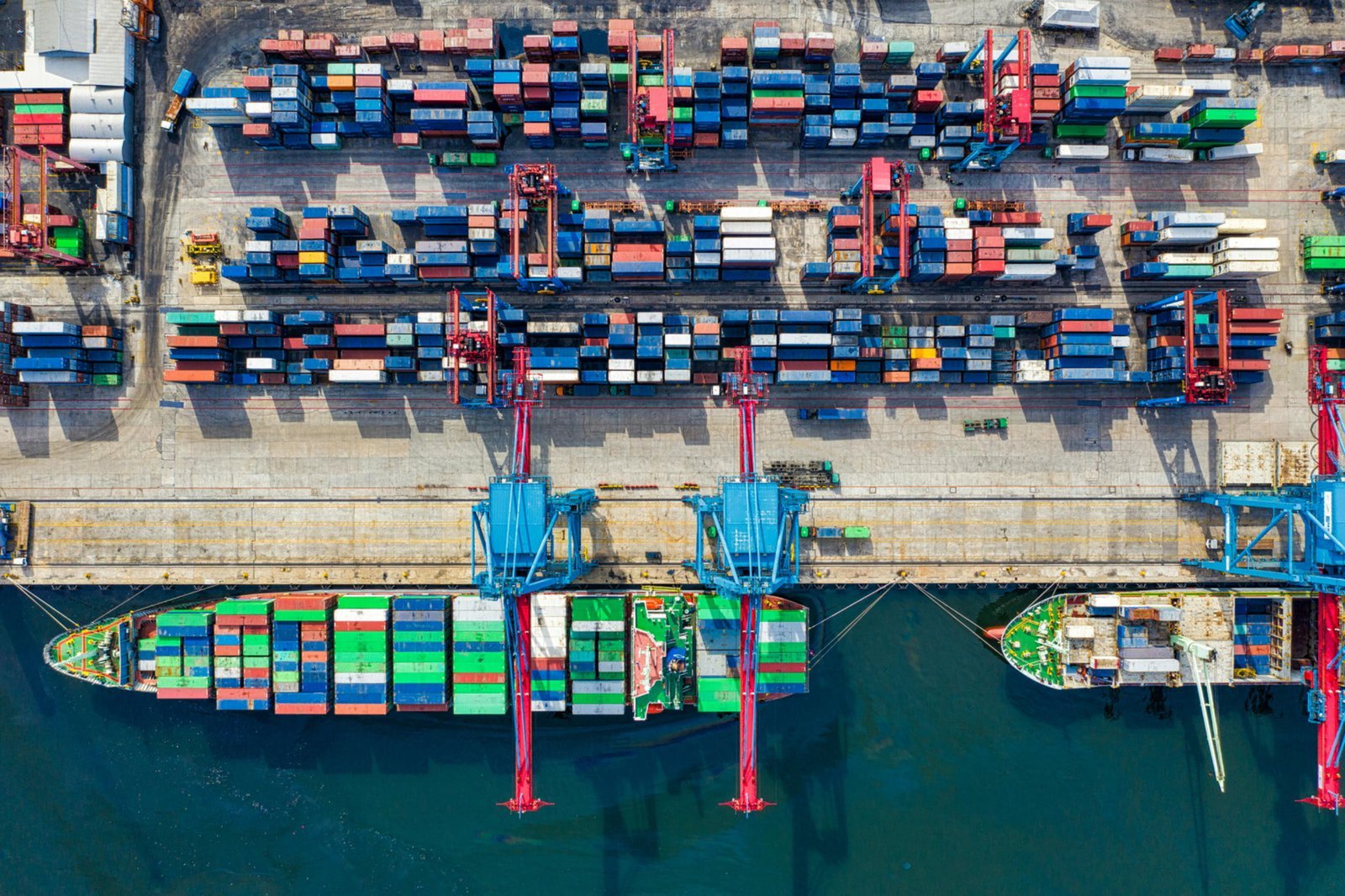
The Terminal Handling Charge is a fee charged by port terminals for loading, unloading, stacking, and handling containers4, typically incurred at both loading and destination ports.
6. Documentation Fee (DOC)
The Documentation Fee covers administrative costs for processing shipping-related documents (such as bills of lading, manifests, etc.)5.
7. Equipment Interchange Receipt Fee (EIR)
Fees for processing equipment interchange receipts when picking up or returning containers.
8. International Ship and Port Facility Security Fee (ISPS)
Costs incurred for security measures implemented to comply with International Ship and Port Facility Security Code requirements6.
Factors Affecting Ocean Freight Surcharges
Various factors influence the assessment standards and amounts of ocean freight surcharges:
- Fuel price fluctuations
- Exchange rate changes
- Supply and demand in the shipping market
- Port operational conditions
- Route characteristics and distance
- Seasonal factors
- Government policies and trade regulation changes
How to Manage and Optimize Ocean Freight Surcharges
1. Understand Cost Components in Detail
Request detailed cost breakdowns from freight forwarders or shipping lines to understand the basis and calculation methods for each ocean freight surcharge.
2. Negotiate Long-term Contracts
For consistent cargo volumes, sign long-term contracts with service providers to lock in certain surcharge standards and reduce price fluctuation risks.
3. Optimize Shipping Schedules
Arrange shipment times reasonably to avoid peak season periods and reduce peak season surcharge expenses.
4. Compare Multiple Quotes
Compare quotes from different shipping lines and freight forwarders to select cost-effective service providers.
5. Improve Loading Efficiency
Optimize container loading plans to increase loading rates and reduce shipping costs per unit of cargo.
Conclusion
Ocean freight surcharges are an unavoidable component of international shipping logistics. Understanding the nature and calculation methods of various surcharges helps businesses more accurately estimate logistics costs and develop reasonable shipping budgets. Through scientific supply chain management and cooperation with reliable freight forwarders, companies can effectively control and optimize these additional charges, enhancing overall trade competitiveness.
⚠️ Disclaimer: This content is for reference only. Actual ocean freight surcharges may vary depending on shipping lines, routes, and market conditions. Specific charges should be based on quotes provided by service providers.
"[PDF] Calculation of Fuel, Currency, and Inland Freight Price - ROSA P", https://rosap.ntl.bts.gov/view/dot/12117/dot_12117_DS1.pdf. A tariff, regulatory filing, or maritime transport study should support that BAF formulas commonly reference bunker-fuel prices and route or trade-lane variables; this would be contextual support because individual formulas are contract- and carrier-specific. Evidence role: mechanism; source type: government. Supports: BAF calculations are typically based on fuel price indices and route-specific factors.. Scope note: The source may show examples rather than establish a universal calculation method. ↩
"Maritime Transport | World Bank Data360", https://data360.worldbank.org/en/dataset/UNCTAD_MT. A port economics, UNCTAD, or government maritime source should support that port congestion can increase vessel waiting time and thereby impose additional operating costs; this supports the rationale for congestion surcharges but does not verify any particular surcharge level. Evidence role: mechanism; source type: research. Supports: Port congestion surcharges compensate for costs caused by increased vessel waiting times during severe port congestion.. Scope note: The evidence may establish the cost mechanism of congestion rather than the commercial decision to impose a surcharge in every case. ↩
"High freight rates cast a shadow over economic recovery", https://unctad.org/news/high-freight-rates-cast-shadow-over-economic-recovery. A maritime transport or freight-rate source should support that carriers may apply peak season surcharges when seasonal demand exceeds available capacity, while noting that the timing and amount of PSS vary by trade lane and market conditions. Evidence role: mechanism; source type: institution. Supports: Shipping lines impose Peak Season Surcharges during high-demand shipping periods.. Scope note: The source may support the general demand-capacity rationale rather than a universal rule for all peak seasons. ↩
"Terminal Handling Charges (THC): Meaning and Calculation", https://midstatecontainers.com/blogs/news/terminal-handling-charges-thc-meaning-and-calculation?srsltid=AfmBOooK871sLQMoCF0gHpkUhYjYTG7HQLfr6BNG18186tNVZUUWgYV6. A port authority tariff, customs guide, or maritime logistics reference should support that terminal handling charges cover container handling activities such as loading, unloading, yard handling, and storage-related movements; exact inclusions vary by terminal tariff. Evidence role: definition; source type: government. Supports: Terminal Handling Charges cover terminal activities such as loading, unloading, stacking, and handling containers.. Scope note: Terminal handling charge components differ by port, terminal, and contract terms. ↩
"Cargo Manifest vs Bill of Lading: Supply Chain Documents Defined", https://www.linkedin.com/posts/jayannaiker_supplychain-logistics-transportation-activity-7469155964110417920-31b0. A maritime documentation or customs source should support that shipping documentation commonly includes bills of lading and cargo manifests and that fees may be charged for their preparation or processing; this supports the administrative basis but not any specific fee amount. Evidence role: definition; source type: government. Supports: Documentation fees cover administrative processing of shipping documents such as bills of lading and manifests.. Scope note: The source may document the role of the documents rather than the commercial fee charged by every provider. ↩
"International Ship and Port Facility Security Code - Wikipedia", https://en.wikipedia.org/wiki/International_Ship_and_Port_Facility_Security_Code. An IMO source should support that the International Ship and Port Facility Security Code establishes security requirements for ships and port facilities; it contextualizes ISPS-related fees but does not independently confirm a given carrier’s fee schedule. Evidence role: historical_context; source type: institution. Supports: ISPS fees relate to security measures implemented to comply with the International Ship and Port Facility Security Code.. Scope note: The IMO source establishes the regulatory framework, not the pricing or collection method of ISPS fees. ↩