

Are Egypt-bound shipments causing headaches? CargoX errors lead to costly delays and unhappy clients. This guide provides a clear, step-by-step process for flawless customs clearance every time.
To master the CargoX process for Egypt, you must first register and verify your company account. Then, prepare all necessary documents, upload them correctly to the platform, and work with the importer to secure the Advance Cargo Information Declaration (ACID) number1, which is essential for compliance.
Getting this right is not just about following rules; it's about building trust with your clients and making your operations more efficient. I've been through this process many times, and I've learned that a little preparation goes a long way. Let's break down exactly why this platform is so important for your business and how you can navigate it with confidence.
Why Does CargoX2 Matter So Much for Egypt Exports?
Feeling overwhelmed by Egypt's new customs rules? Ignoring CargoX is not an option and can lead to rejected shipments. Understanding its central role is key to avoiding major issues.
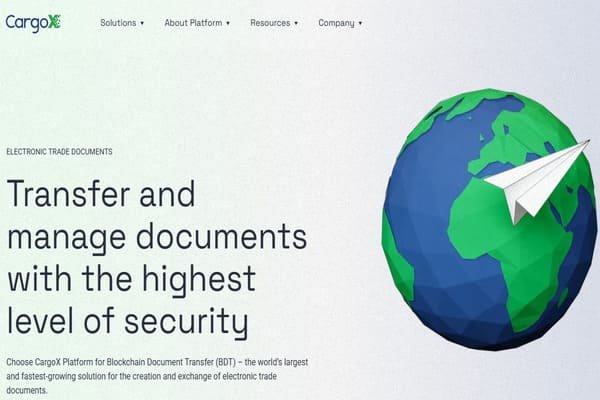
CargoX is the mandatory platform for Egypt's Advance Cargo Information (ACI) system3. It digitizes shipping documents, allowing Egyptian customs to review cargo information before arrival. This pre-clearance process is essential for all sea freight shipments to Egypt, making platform mastery non-negotiable for forwarders.
The introduction of the Advance Cargo Information (ACI) system by Egyptian customs, also known as Nafeza, has changed how we handle shipments to Egypt. CargoX is the official blockchain platform chosen to run this system. It acts as the secure gateway between you, the exporter, and Egyptian customs. The main goal is to speed up customs clearance by allowing authorities to see and approve cargo information before the vessel even arrives. For us as freight forwarders, this means we have to adapt. The core of this system is the ACID number, a unique 19-digit code that the importer in Egypt obtains. This number links all your shipping documents4 together. Without it, your cargo cannot be loaded. Mastering CargoX is no longer optional; it is a fundamental requirement for compliance and efficiency, ensuring your shipments are not left sitting at the port.
What Documents and Tools Does Every Freight Forwarder Need?
Ever started a process only to realize you're missing a key document? This causes frustrating delays. Being prepared with the right paperwork and tools from the start is crucial for a smooth process.
Before starting, gather your commercial invoice, packing list, bill of lading, and certificate of origin5. You will also need a company verification document and a secure blockchain key6 for your CargoX account. Having these ready in digital PDF format is essential for a successful submission.
Being organized from the beginning saves a massive amount of time and prevents stress. The key is to have a checklist for every Egyptian shipment. Your documents must be complete, accurate, and consistent across the board. The most critical piece of information you need is the ACID number, which you must get from the importer. This number has to be clearly printed on the commercial invoice and the bill of lading. Your digital tools are just as important. Your company's CargoX account must be verified and active. The blockchain key is your digital signature; it’s what you use to securely send the documents. I always recommend saving a backup of this key in a very safe place. Losing it can create a huge operational bottleneck. Here is a simple breakdown of what you need.
| Document/Tool | Purpose | Key Requirement |
|---|---|---|
| Commercial Invoice | Details the transaction for customs valuation | Must include ACID number |
| Bill of Lading | Contract of carriage and title to the goods | Must include ACID number |
| ACID Number | Pre-clearance identifier from the importer | Mandatory for all docs |
| Blockchain Key | Securely signs and sends documents on CargoX | Keep it safe and backed up |
How Do You Register and Verify a CargoX Account?
New platform registrations can be confusing. Making a mistake here can delay your very first shipment. Let's get it right the first time with a clear, simple process that avoids any holdups.
To register, visit the CargoX website and create an account using your business email. You will then need to purchase and back up a blockchain key. The final step is company verification, where you submit a business registration document. This process typically takes 24-48 hours for approval.
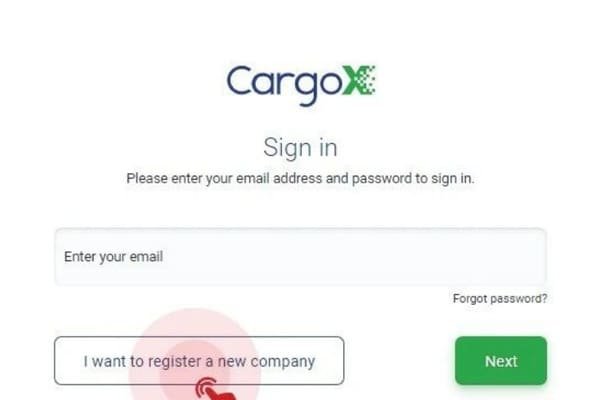
The registration process is straightforward if you follow the steps carefully. First, go to the official CargoX website and sign up. It is very important to use your official company email address, as this will be linked to your business identity. After creating your user profile, the system will guide you to set up your blockchain key. This key is the foundation of your account's security. You will be prompted to purchase one. Once you have the key file, you must immediately back it up. Store a copy on an external drive or a secure cloud location. If you lose this file, you cannot access your account to sign and send documents. The final step is to verify your company's identity. You will need to upload an official business document, like a certificate of incorporation or a business license. The CargoX team reviews these manually, so it can take a day or two. Be patient, as this one-time verification is essential for using the platform.
What's the Process for Document Upload and ACI Filing?
The moment of truth: uploading documents. A single wrong file or missed field can get your submission rejected. This pressure can be stressful, but it does not have to be if you understand the workflow.
First, the Egyptian importer initiates the process on the Nafeza platform7 to get an ACID number. Once you receive the ACID, you create an 'ACI Envelope' in CargoX, upload all required shipping documents (PDF format), and send it using your blockchain key.
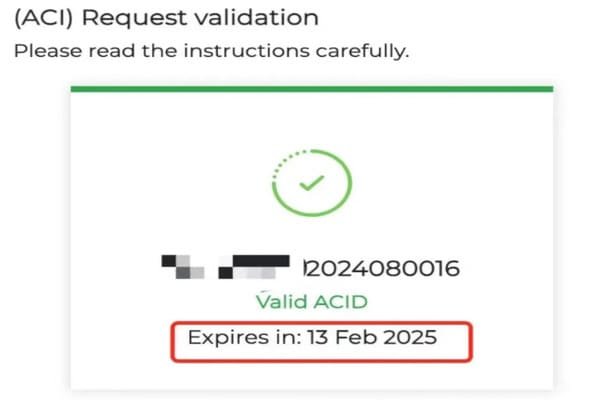
A common point of confusion is who starts the process. As the forwarder, you cannot begin the ACI filing. The importer in Egypt must log into their Nafeza portal first to register the incoming shipment. Nafeza will then issue the unique ACID number to them. Your job begins once the importer provides you with this 19-digit number. Once you have it, log into your CargoX account. You will then "Compose" a new envelope and select the "ACI Filing" option. The system will ask for the ACID number; enter it carefully. After that, you upload all your prepared documents—the commercial invoice, bill of lading, and others—into this digital envelope. Make sure they are all in PDF format and that the ACID number is clearly visible on them. The final step is to hit "Seal and Send," which will prompt you to use your blockchain key to digitally sign the transaction. This action requires CargoX credits, so ensure your account is funded.
What is the Freight Forwarder’s Guide to Avoiding Common Errors?
Mistakes on CargoX are costly and delay shipments. Knowing the common pitfalls is half the battle. Let's make sure your shipments do not get stuck because of a preventable error.
To avoid errors, always double-check the ACID number with the importer. Ensure the ACID is printed on all documents, not handwritten. Upload high-quality PDFs, and make sure the information across all documents (like HS codes and values) is perfectly consistent. Do not wait until the last minute.
From my experience, most rejections come from small, avoidable mistakes. The most common one is mismatched information. The consignee name, HS codes8, quantities, and values must be identical on the commercial invoice, packing list, and bill of lading. Even a small typo can cause the system to flag your submission. I once saw a shipment delayed for a week over a single wrong digit in an HS code. Another major issue is incorrect handling of the ACID number. It needs to be typed or printed clearly on the documents themselves, not just added to the file name. I always recommend confirming the ACID number in an email with the importer, so you have a written record to refer to. Finally, the quality of your documents matters. Use a proper scanner to create your PDFs. A blurry or illegible document will be rejected immediately, forcing you to correct and re-submit everything, wasting valuable time.
What Are Some Pro Tips for Freight Forwarders Using CargoX2?
Just getting by is not enough. You want to be efficient and impress your clients. A few professional tips can turn a complicated process into a smooth, reliable operation that sets you apart.
Proactively communicate with your importer to get the ACID number early. Create document templates with a dedicated space for the ACID. Keep your CargoX account funded with credits to avoid payment delays. Finally, train your team so everyone understands the process and its importance.
To truly excel, you need to go beyond the basic requirements. First, establish a proactive communication workflow. As soon as you confirm a booking for Egypt, send your client and their importer a standardized email that explains the ACI process and requests the ACID number. This shows you are on top of things. Second, optimize your paperwork. I have modified our standard invoice and B/L templates to include a large, unmissable field at the top labeled "ACID Number." This simple change ensures it is never forgotten. Third, manage your account credits wisely. Sending documents on CargoX costs credits. Running out of credits at a critical moment can delay a shipment. I treat it like a prepaid phone—we always keep a minimum balance and top it up regularly. Lastly, educate your customers. A quick explanation of their role helps them provide you with accurate information on time, making your job easier.
Conclusion
Mastering CargoX is key for reliable Egypt exports. By following these steps, preparing documents carefully, and avoiding common errors, you can ensure smooth customs clearance and happy customers.
The ACID number is essential for compliance; learn how to obtain and use it effectively. ↩
Understanding CargoX is crucial for efficient customs clearance and avoiding costly delays. ↩
Understanding the ACI system is vital for navigating Egypt's customs regulations successfully. ↩
Familiarize yourself with necessary shipping documents to prevent delays and ensure compliance. ↩
Learn about the certificate of origin and its significance in international trade. ↩
Understanding the blockchain key is essential for securing your CargoX account and documents. ↩
Explore the Nafeza platform's role in Egypt's customs process and its integration with CargoX. ↩
HS codes are vital for customs classification; learn how to use them correctly. ↩