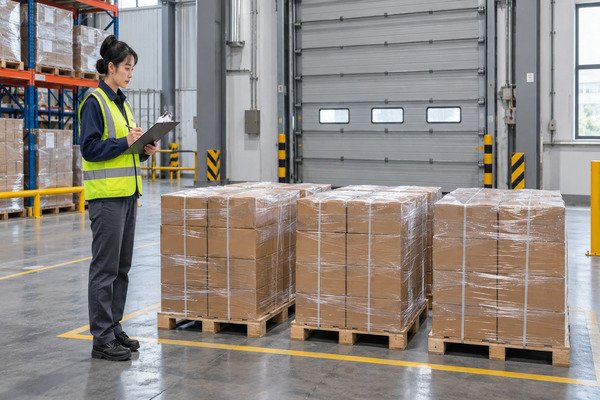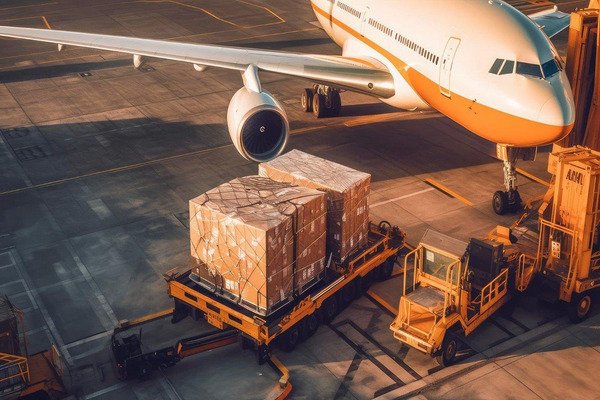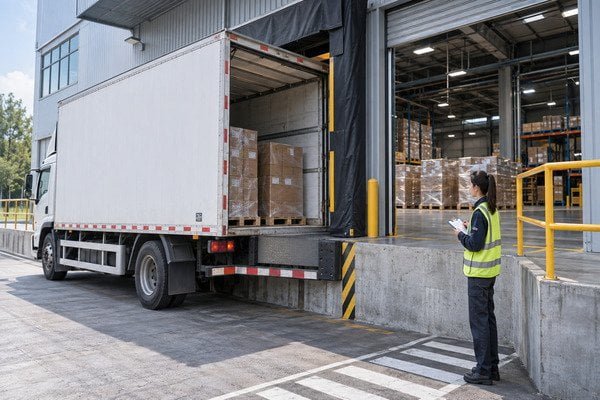

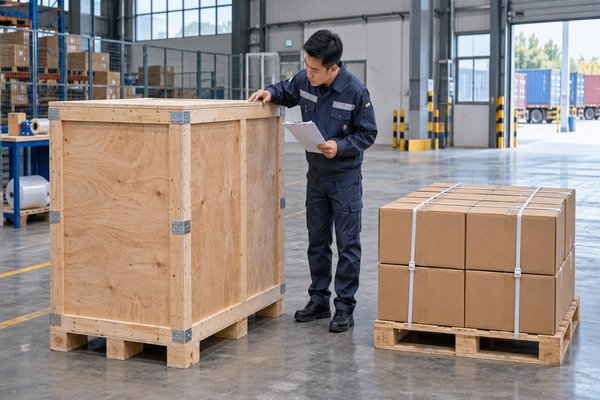
Two shipments have the same dimensions and weight. One can safely support other freight above it; the other cannot.
That difference matters when requesting a shipping quotation.
If you are importing from China, confirm stackability with your supplier before booking. It helps your forwarder assess the space, handling and service arrangements your shipment needs.
1. What Does “Stackable” Mean?
For a freight enquiry, the practical question is whether other cargo can safely be placed on top of the packed unit under specified conditions.
A flat top alone does not establish this. The packaging and goods inside must be suitable for the intended load. Stretch wrap helps keep items together, but it does not establish their load-bearing capacity.
DHL’s packaging guidance treats stackability as part of preparing cargo for transport and provides different protection arrangements for cartons, drums and other goods. [1]
Ask the supplier or packaging specialist to confirm any permitted top load and restrictions. If they cannot confirm them, describe stackability as unverified and ask the forwarder how to proceed.
2. Why Can It Affect the Quotation?
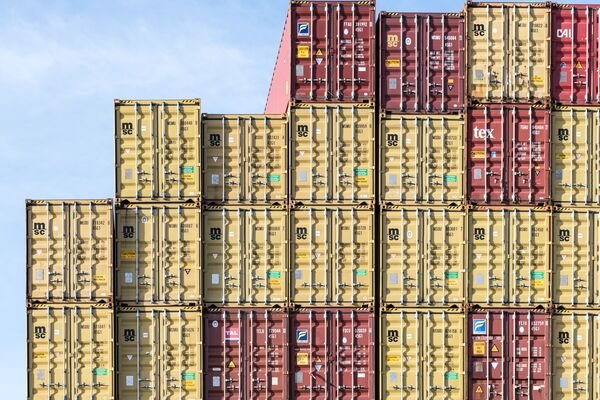
Cargo that cannot have freight placed above it can limit how shared transport space is used.
Some quotations therefore assume stackable cargo. For example, DHL Global Forwarding’s published Austrian terms include stackability conditions for standard air freight and LCL quotations unless otherwise agreed. This is a provider-specific example, rather than a universal rule. [2]
If your shipment does not meet the quoted assumptions, ask for the price and handling arrangements to be reviewed before booking.
There is no single non-stackable surcharge that applies to every shipment. The outcome depends on the provider, service, route and actual cargo. Request written confirmation of how your shipment will be treated.
3. What Should You Send with the Enquiry?
Give the forwarder a clear description of the finished shipping units:
- Package details: Number of pallets, crates or cartons.
- Packed dimensions: External length, width and height, including the pallet.
- Gross weight: For each unit or clearly identified package type.
- Stackability: Confirmed stackable, non-stackable or awaiting verification.
- Restrictions: Any confirmed top-load limit, orientation requirement or prohibition on loading above.
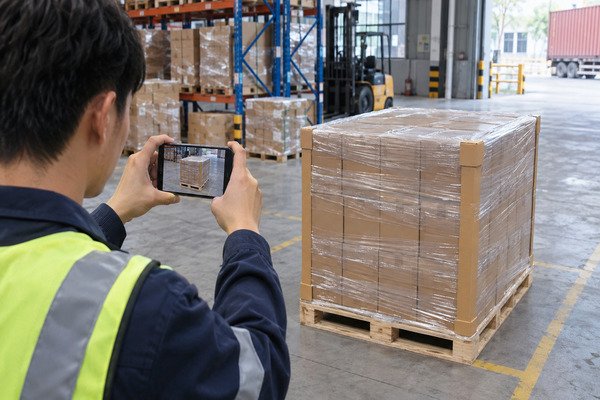
- Photos: Views of the complete unit, top surface and pallet base.
DHL Freight’s quotation interface includes package dimensions, weight and a non-stackable field, illustrating why this information belongs in the initial enquiry. [3]
For mixed shipments, identify the restrictions for each unit. Avoid describing every pallet as stackable because only some of them are.
Photos help communicate the arrangement, but they cannot prove a packaging load rating.
4. Confirm Changes Before Collection
Consider this illustrative situation: a supplier initially quotes dimensions for boxed equipment. The final shipment includes a projecting component that prevents anything being placed above it.
The importer sends the original details to the forwarder, assuming that unchanged weight means an unchanged shipping requirement.
The better approach is to report the final configuration as soon as it is known. Ask the forwarder to reconfirm acceptance, handling and price before collection.
If revised packaging is proposed, have its suitability checked by the supplier or packaging specialist. Do not authorize stacking simply to preserve an earlier quotation.
Conclusion
Stackability is a shipment detail to confirm early.
Tell your forwarder what can safely be placed above the cargo, disclose any restrictions and update the enquiry when packaging changes. Clear information helps ensure the quotation reflects the goods that will actually travel.
Shipping palletized or crated goods from China? Send Deeplinker your cargo photos, packed dimensions, weights and confirmed stacking restrictions to discuss suitable transport options.