
Shipping what you think is a normal product, only to have it stopped by customs? This can cause frustrating delays and unexpected fines, disrupting your entire supply chain.
Hidden dangerous goods are items that appear harmless but contain regulated hazardous materials.1 Think of the lithium battery inside a laptop or the flammable propellant in a can of hairspray. They require special handling, packaging, and documentation to be shipped safely and legally.
I've been in this business for over 20 years, and I've seen it all. The biggest headaches for shippers often come from the smallest, most unexpected items. You might be a successful e-commerce seller or a procurement manager for a large brand, but if you don't understand this topic, your shipments are at risk. It’s not about trying to deceive anyone; it's usually just a lack of awareness. Let's break down what you need to know to keep your cargo moving smoothly and safely, so you can avoid the costly surprises that catch so many people out.
Your "safe" cargo is suddenly flagged as hazardous. Now you're confused, your shipment is stopped, and your customer is waiting. Let's define what makes a product "hidden dangerous."
Hidden dangerous goods are regulated hazardous materials that are not obvious to the shipper. They can be a component inside a larger device, an item in a gift set, or a liquid you wouldn't think is flammable. The danger is that they are often shipped without the required special handling.

When we talk about dangerous goods, most people picture barrels of chemicals or explosives.2 But in my experience, the real challenge comes from products that look completely innocent. I remember a new client who was trying to ship what they called "smart home kits." The shipment was rejected by the airline because buried inside each kit was a small bottle of cleaning solution that was classified as a corrosive material. The client had no idea. They thought they were just shipping electronics. This is what we mean by "hidden"—the hazard isn't immediately visible, and the shipper is often unaware of the regulations they are breaking.
Why They Are "Hidden"
The term "hidden" doesn't usually imply that a shipper is trying to be deceptive. It simply means the dangerous component is not the primary product and is easily overlooked. It's hidden within an otherwise non-hazardous item.
| Obvious Dangerous Goods | Hidden Dangerous Goods |
|---|---|
| Industrial Gas Cylinders | Aerosol Hairspray in a Cosmetic Kit |
| Barrels of Chemicals | Perfume or Nail Polish in a Gift Set |
| Bulk Fireworks | A Laptop or Smartphone with a Battery |
| Acids and Corrosives | A First-Aid Kit with Alcohol Wipes |
This is why it's so important to know exactly what is inside every box you ship. A simple oversight can have major consequences.
Are you planning to ship everyday items like electronics, cosmetics, or even outdoor gear? These common products might get rejected by carriers without any warning, causing major disruptions.
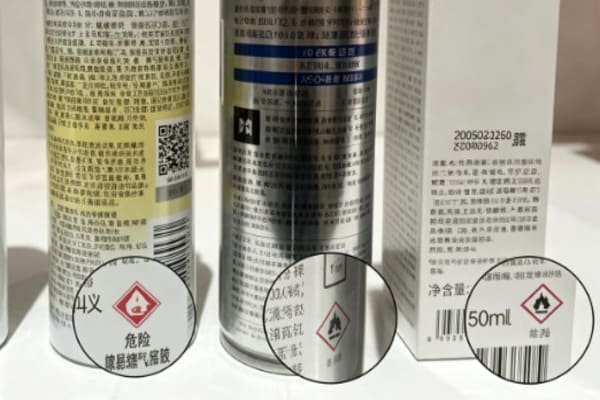
Many common retail products are considered hidden dangerous goods. This includes anything with lithium batteries (phones, laptops), aerosols (deodorant, hairspray), flammable liquids (perfume, nail polish), and certain cleaning supplies3. Always check every component of your product before shipping.

As a freight forwarder, a huge part of my job is helping clients identify these items before they become a problem. We once worked with a major sports brand shipping a "starter kit" for camping. The shipment included a small, portable camping stove. The manufacturer had forgotten to declare the small, pressurized gas canisters that came with the stove. The entire container was held at the port for weeks. It had to be unpacked, the dangerous goods segregated, and all the documentation redone. This simple mistake cost them a significant amount of money and damaged their relationship with the retailer waiting for the stock. This story is very common.
A Closer Look at Everyday Items
The key is to think about the components, not just the main product. Does it have a power source? Is it a liquid, gas, or powder? Asking these questions is the first step toward compliance.
| Product Category | Example Product | Hazardous Component | Common DG Class |
|---|---|---|---|
| Electronics | Laptops, Power Banks, Drones | Lithium-ion or Metal Batteries | Class 9 |
| Cosmetics | Perfume, Hairspray, Nail Polish | Flammable Alcohol/Aerosol | Class 3 / Class 2 |
| Household Goods | Drain Cleaners, Bleach | Corrosive or Oxidizing Chemicals | Class 8 / Class 5 |
| Outdoor & Sports | Camping Stoves, Life Vests | Flammable Gas, CO2 Cartridges | Class 2 |
| Medical Supplies | Hand Sanitizer, First-Aid Kits | Flammable Alcohol, Chemicals | Class 3 |
Understanding this list is essential for anyone in e-commerce or retail. These products are your bread and butter, but they are also the ones that can get you into the most trouble.
What risks can misdeclared cargo cause?
Thinking about skipping the dangerous goods declaration to save a little time or money? This shortcut can lead to huge fines, cargo seizure, and safety incidents that are far more costly.
Misdeclaring cargo creates serious risks. You face massive fines, shipment delays, and rejection by carriers. Most importantly, it endangers the lives of people handling the cargo. An undeclared item could cause a fire or chemical leak in a warehouse or on a plane.4
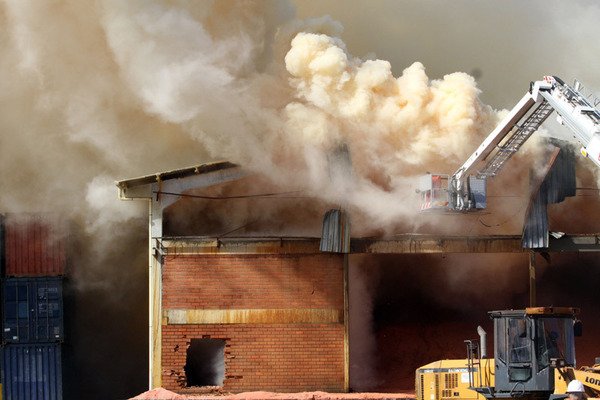
This is the part of the job I take most seriously. It’s not just about rules and paperwork; it’s about people’s safety. A few years ago, an undeclared shipment of lithium batteries caught fire in a container yard, destroying millions of dollars worth of goods.5 The shipper faced not only huge financial losses and fines but also legal action. They were blacklisted by the shipping line and their business reputation was ruined. When I talk to my clients, I always emphasize that declaring dangerous goods isn't a choice, it's a responsibility. It protects your business, your customers, and every person who handles your shipment along its journey.
Breaking Down the Consequences
The fallout from one misdeclared shipment can be devastating. The risks fall into four main categories, each with severe consequences.
| Risk Type | Description | Example |
|---|---|---|
| Safety | Risk of fire, explosion, or toxic leak during transit, endangering lives and property. | An undeclared power bank catches fire in a plane's cargo hold, forcing an emergency landing. |
| Financial | Heavy fines from airlines and maritime authorities, re-packing fees, storage costs, and loss of goods. | A $25,000 fine from an airline, plus costs to have the hazardous shipment professionally destroyed. |
| Legal | Potential for criminal charges against the company and its managers for endangering transportation. | The company owner facing prosecution and even jail time in severe cases. |
| Reputational | Being blacklisted by carriers, losing your seller account on platforms like Amazon, and damaging customer trust. | Your brand gets known for cutting corners, and major retailers refuse to work with you. |
These aren't just theoretical risks. They happen every single day. Proper declaration is your best insurance policy against them.
You're a business owner, not a chemical expert. How can you possibly be expected to identify and ship these complex items correctly without making a mistake? The answer is to follow a clear process.
First, get the Material Safety Data Sheet (MSDS) from your product's manufacturer6. This document is key. It will tell you if any component is hazardous. Then, partner with a freight forwarder who specializes in dangerous goods. They will handle the rest.
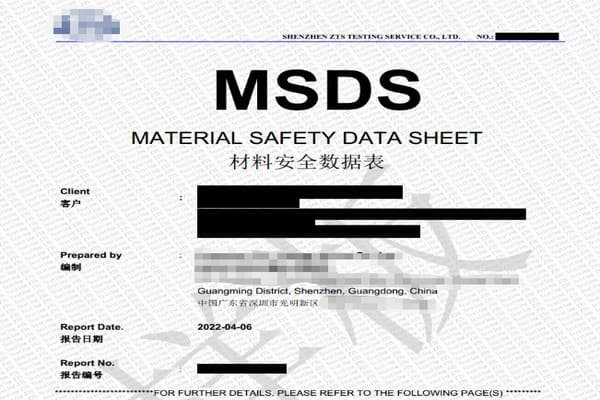
I always tell my clients, "You don't have to be the expert, but you do have to ask the right questions." The most important question you can ask your supplier is, "Can you provide the MSDS for this product?" This single document removes all the guesswork. If your supplier can't or won't provide it, that's a major red flag. Once you have the MSDS, you can send it to a logistics partner like us. We can analyze it and tell you exactly what is required—whether it's special packaging, labeling, or documentation. It turns a complicated, risky process into a simple, manageable one.
Your 4-Step Checklist for Compliance
Following these steps will ensure your shipments are safe and compliant, protecting you from delays and fines.
-
Investigate Your Product: Always request the Material Safety Data Sheet (SDS/MSDS) from your supplier before you even place an order. This is the most critical step. Also, visually inspect the product's retail packaging for any warning symbols, like a flame or skull and crossbones7.
-
Declare Everything: Be 100% transparent with your freight forwarder. Inform them about every single item in your shipment. Don't assume something is safe. Tell them about anything containing batteries, liquids, gels, powders, or compressed gas. Over-communication is better than a misdeclaration.
-
Use Correct Packaging: Dangerous goods require special UN-certified packaging and labeling.8 This isn't something you can do with standard boxes. Your specialized forwarder will manage this process to ensure your cargo meets strict international regulations for air (IATA9) and sea (IMDG10) transport.
-
Complete Proper Documentation: Your forwarder will use the information from the MSDS to prepare the Shipper's Declaration for Dangerous Goods (DGD). This official document tells the airline or shipping line exactly what they are handling, the risks, and the emergency procedures. It's the passport for your hazardous cargo.
By following this checklist, you shift the burden from yourself to a clear, professional process.
Conclusion
Hidden dangerous goods are common, and items like electronics and cosmetics need special care. Proper identification and handling are essential for safe, compliant shipping and avoiding very costly problems.
Dangerous Goods Limitations (Hidden DG presentation) — official aviation briefing on hidden dangerous goods and shipping limitations — *International Civil Aviation Organization (ICAO)*: https://www.icao.int/sites/default/files/APAC/Meetings/2025/2025%20COSCAPSEA%20%20EASA%20DGI/5-Presentations/02-Limitations.pdf ↩
Dangerous goods — overview of hazardous materials classification, including the nine UN hazard classes — *Wikipedia*: https://en.wikipedia.org/wiki/Dangerous_goods ↩
PackSafe — official guidance on hazardous materials in passenger and cargo shipments (batteries, aerosols, flammables) — *U.S. Federal Aviation Administration (FAA)*: https://www.faa.gov/hazmat/packsafe ↩
Undeclared Hazardous Materials — FAA guidance on the dangers and consequences of undeclared hazmat in transit — *U.S. Federal Aviation Administration (FAA)*: https://www.faa.gov/hazmat/what_is_hazmat/undeclared_hazmat ↩
Lithium battery — background on lithium battery chemistry and its fire/thermal-runaway transport risks — *Wikipedia*: https://en.wikipedia.org/wiki/Lithium_battery ↩
Hazard Communication Standard: Safety Data Sheets (SDS/MSDS) — official guide on obtaining and reading safety data sheets — *U.S. Occupational Safety and Health Administration (OSHA)*: https://www.osha.gov/Publications/OSHA3514.html ↩
Hazard Communication Standard Pictogram QuickCard — official reference for GHS hazard warning symbols (flame, skull and crossbones, etc.) — *U.S. Occupational Safety and Health Administration (OSHA)*: https://www.osha.gov/sites/default/files/publications/OSHA3491QUICKCARDPICTOGRAM.pdf ↩
How to Ship — Mailing & Labeling — FAA guidance on UN-certified packaging and labeling for dangerous goods — *U.S. Federal Aviation Administration (FAA)*: https://www.faa.gov/hazmat/safecargo/how_to_ship/mailing_labeling ↩
IATA Dangerous Goods Regulations (DGR) — the international standard governing the air transport of dangerous goods — *Wikipedia*: https://en.wikipedia.org/wiki/IATA_Dangerous_Goods_Regulations ↩
IMDG Code (International Maritime Dangerous Goods Code) — the international standard for the safe sea transport of dangerous goods — *Wikipedia*: https://en.wikipedia.org/wiki/IMDG_Code ↩