
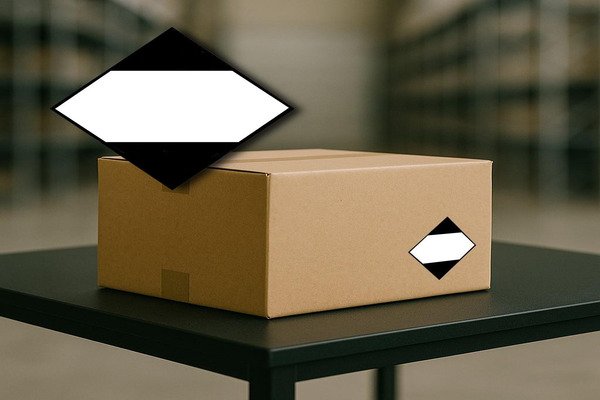
Shipping small amounts of hazardous products doesn't always require the same procedures as shipping large volumes of dangerous goods. For eligible products, Limited Quantity (LQ) shipping offers a simpler approach to transport compliance.
Limited Quantity (LQ) shipping allows certain dangerous goods to be transported under simplified regulatory requirements when specific quantity and packaging conditions are met. It can reduce packaging and compliance costs, but not all hazardous products qualify. Requirements for labeling, documentation, and quantity limits also differ between sea, air, and road transport.
For importers shipping perfumes, cosmetics, paints, or chemical products from China, understanding these differences can help prevent unnecessary costs and shipment delays.
1. What Is Limited Quantity (LQ) in Dangerous Goods Shipping?
Limited Quantity is a regulatory provision that allows eligible dangerous goods to be transported in small quantities under reduced requirements.
The main principle is straightforward: certain hazardous materials present a lower transport risk when packed in small, properly protected containers.
However, LQ is not a general exemption from dangerous goods regulations.
Eligibility depends on the product's classification, UN number, packaging quantity, and transport mode.
For example, some alcohol-based perfumes, paints, and cleaning products may qualify for LQ shipping, depending on their chemical composition and dangerous goods classification.
The applicable regulations include:
- Sea freight: The International Maritime Dangerous Goods (IMDG) Code.
- Air freight: The IATA Dangerous Goods Regulations (DGR).
- Road freight: ADR in countries where it applies, or the relevant national dangerous goods transport regulations.
For international ocean shipments, the IMDG Code Amendment 42-24 became mandatory on January 1, 2026.
Understanding which regulations apply to each leg of the journey is the first step toward using LQ shipping correctly.
2. What Are the Key Requirements for LQ Dangerous Goods?
To qualify for LQ shipping, a dangerous good must be eligible under the applicable regulations and meet the prescribed quantity limits. Both the quantity per inner packaging and the gross weight of the completed package must be checked.
Check the UN Number and Quantity Limit
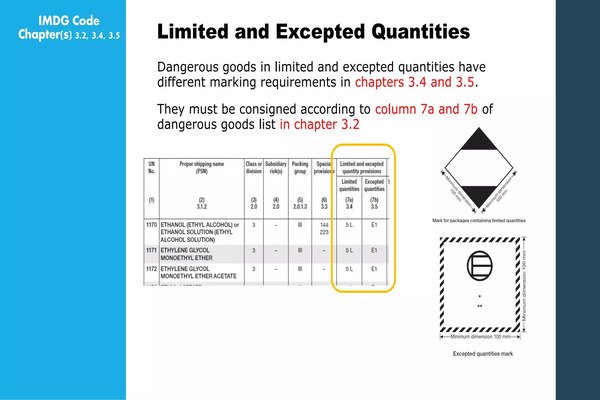
Under the IMDG Code, each dangerous good has an entry in the Dangerous Goods List.
Column 7a specifies its Limited Quantity allowance.
- 0: The product is not eligible for LQ shipping under that entry.
- 1 L: Up to 1 liter per inner packaging.
- 5 kg: Up to 5 kilograms per inner packaging.
These are examples of possible limits, not universal allowances.
Check the Completed Package Weight
For ocean transport under IMDG Chapter 3.4:
| Packaging Type | Maximum Gross Mass |
|---|---|
| Standard combination packaging | 30 kg |
| Qualifying shrink-wrapped or stretch-wrapped trays | 20 kg |
Similar general limits apply under ADR road transport, although other national regulations and special provisions may differ. 在道路运输的 ADR 制度下,也适用类似的通用限制规定,不过其他国家的法规以及特殊规定可能会有所不同。
Practical Example: Shipping Small Bottles
Suppose a dangerous liquid is classified under a UN entry allowing 1 L per inner packaging for ocean LQ transport.
A shipment contains:
- 12 bottles, each holding 500 mL.
- Total liquid volume: 6 L.
- Bottles secured inside a suitable outer carton.
- Completed carton gross weight: 12 kg.
The quantity per bottle and the completed package weight would be within those limits.
However, the shipment must also meet the applicable packaging, marking, documentation, and any other relevant conditions.
The important distinction: The LQ limit applies to each inner container, while the gross mass limit applies to the completed package. Neither check alone establishes compliance.
3. What Are the Packaging Requirements for Limited Quantity Shipping?
One of the main advantages of LQ shipping is that eligible shipments generally do not require UN specification-certified packaging.
However, this does not mean any ordinary cardboard box is acceptable.
Limited Quantity packaging must still be strong, compatible with its contents, and capable of protecting the dangerous goods during normal transportation.
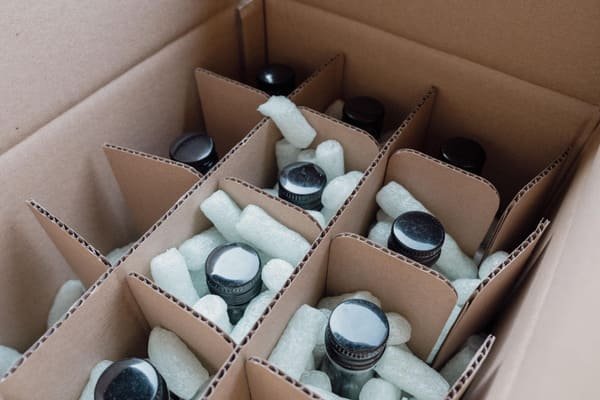
For typical combination packaging, the arrangement consists of:
- Inner packaging: Bottles, cans, or other containers holding the dangerous goods.
- Protective materials: Suitable cushioning or intermediate packaging to prevent movement, breakage, or leakage.
- Outer packaging: A strong box or other permitted outer packaging that meets the applicable requirements.
Certain articles, such as aerosols, may have different packaging arrangements under the relevant provisions.
Does LQ Packaging Need Drop and Stacking Tests?
Packaging performance requirements vary by transport mode.
For air freight, IATA explains that LQ combination packaging must be capable of withstanding specified tests, including a 1.2-meter drop test and a 24-hour stacking test.
These requirements should not automatically be applied as identical testing obligations for every ocean or road LQ shipment.
Importers should confirm the required packaging standard with their qualified dangerous goods packing provider before dispatch.
4. How Do You Mark, Label, and Document LQ Shipments?
Incorrect markings and incomplete documentation are common reasons for dangerous goods shipments to be delayed or rejected.
Although LQ provisions simplify certain requirements, the applicable markings and documentation still depend on the transport mode.
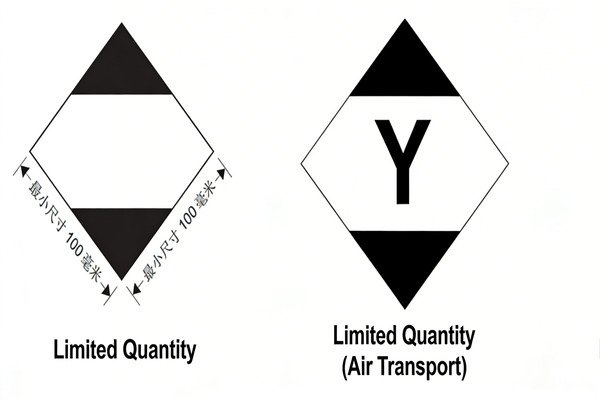
Limited Quantity Marking
For eligible sea and road shipments, packages generally use the standard LQ mark: a diamond-shaped symbol with black upper and lower portions and a white or contrasting central area.
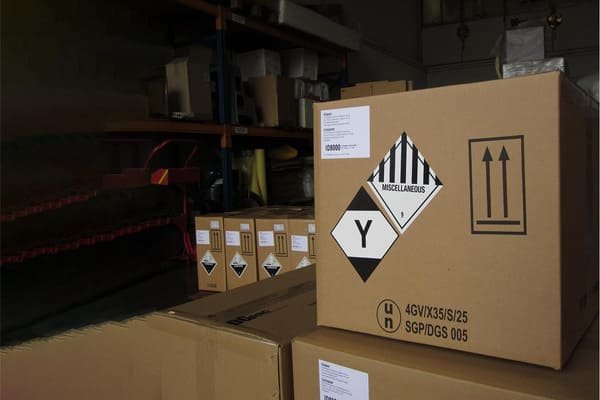
For air transport, a different LQ mark containing the letter Y is used, along with any additional applicable markings and hazard labels.
The required mark dimensions and placement must also comply with the relevant regulations.
Is a Dangerous Goods Declaration Required?
This is where sea, air, and road transport differ significantly.
| Transport Mode | LQ Documentation Requirements |
|---|---|
| Ocean freight | Dangerous goods transport documentation remains required under the IMDG Code, including an LQ indication |
| Air freight | Applicable IATA/ICAO dangerous goods documentation requirements remain in force, including the Shipper's Declaration where required |
| Road freight | Certain documentation exemptions may apply, depending on the jurisdiction and applicable rules |
For ocean freight, the original article's suggestion that an LQ shipment generally does not require a formal dangerous goods declaration was incorrect.
Under IMDG Code Section 5.4.1.5.2, the dangerous goods transport document must include "limited quantity" or "LTD QTY" when the LQ provisions apply.
Maersk also outlines this requirement in its sea transport documentation guidance.
Simply writing "LTD QTY" on an ordinary bill of lading is not a substitute for completing the required dangerous goods documentation.
Shippers should also verify carrier-specific requirements, including booking declarations and container or vehicle packing certificates where applicable.
5. Does Limited Quantity Shipping Reduce Transportation Costs?
LQ shipping can lower certain packaging and compliance-related costs, but it does not automatically eliminate dangerous goods surcharges or guarantee cheaper freight rates.
The potential benefits include:
- Lower packaging expenses: Eligible shipments may avoid the cost of UN specification-certified packaging.
- Simplified compliance: Certain marking, packaging, and handling requirements may be reduced.
- Greater shipping flexibility: Some smaller commercial shipments may become easier to arrange with appropriately qualified carriers.
However, cost savings depend on the product, route, carrier, and transportation mode.
For example, a perfume manufacturer exporting small retail bottles may benefit from LQ packaging allowances. But the shipping line or airline may still classify the shipment as dangerous goods for booking, acceptance, or charging purposes.
What Are the Risks?
The most common problems arise when businesses assume that small quantities automatically qualify for LQ treatment.
Potential mistakes include:
- Incorrect UN classification or LQ eligibility.
- Exceeding the permitted quantity per inner packaging.
- Using unsuitable packaging materials.
- Applying the wrong LQ marking.
- Failing to provide required transport documents.
Such mistakes can result in rejected bookings, cargo delays, additional expenses, and potential regulatory penalties.
The practical goal should be compliant cost optimization, not simply avoiding dangerous goods procedures.
6. LQ Shipping Checklist Before Booking
Before arranging an LQ shipment, importers and freight forwarders should confirm the following:
- [ ] Obtain the product's current Safety Data Sheet (SDS) and verify its transport classification.
- [ ] Confirm the UN number, proper shipping name, hazard class, and packing group, where assigned.
- [ ] Check whether the relevant regulations permit LQ shipping for that entry.
- [ ] Verify the maximum quantity per inner packaging.
- [ ] Confirm the completed package gross mass and packaging construction.
- [ ] Apply the correct markings and labels for the transport mode.
- [ ] Prepare the required dangerous goods documentation.
- [ ] Confirm carrier acceptance and any additional country-specific requirements.
An SDS can provide useful classification information, but it should not be treated as conclusive if the transport information is incomplete or inconsistent.
For multimodal shipments, the ocean, air, rail, and road portions should each be reviewed against their applicable requirements.
Frequently Asked Questions
1. Can perfumes and cosmetics be shipped as Limited Quantity?
Some perfumes, cosmetics, and other consumer products may qualify for LQ shipping, particularly when they contain regulated flammable liquids.
However, eligibility depends on their actual classification, UN number, quantity per container, and transportation mode. Not every cosmetic product is classified as dangerous goods.
2. Does Limited Quantity shipping require UN-certified packaging?
Eligible LQ shipments generally benefit from exemptions from UN specification packaging certification. However, the packaging must still satisfy the applicable construction, strength, compatibility, and performance requirements.
Air freight has specific LQ packaging requirements that should be checked separately.
3. Can Limited Quantity dangerous goods be shipped by air?
Yes, certain dangerous goods may be transported by air under LQ provisions.
However, air transport has its own eligibility limits, "Y" packing instructions, packaging performance requirements, markings, labeling, and documentation rules.
A product eligible for ocean LQ shipping is not automatically eligible for air LQ shipping.
Conclusion
Limited Quantity shipping can help businesses move smaller amounts of eligible dangerous goods more efficiently without compromising regulatory compliance.
But the decision should never be based on package size alone.
Before booking, verify three essential factors: product classification, packaging quantity limits, and transport-specific requirements. Getting these right can reduce avoidable costs, delays, and rejected shipments.
For businesses importing or exporting dangerous goods from China, working with an experienced freight forwarder can help identify suitable transportation options and prepare shipments in accordance with the applicable rules.
Planning a dangerous goods shipment from China? Explore Deeplinker's Dangerous Goods Shipping services to discuss cargo requirements, shipping routes, and available freight solutions.
References
International Maritime Organization (IMO). IMDG Code – 2024 Edition, Amendment 42-24. Official maritime dangerous goods regulations, mandatory from January 1, 2026.
International Air Transport Association (IATA). Dangerous Goods Regulations and Guidance. Official guidance on air transport, Limited Quantity packaging, testing, and safety requirements.
UK Government. Moving Dangerous Goods: Transporting Limited Quantities. Guidance on road transport quantity limits, packaging, and marking requirements.
Maersk. Reminder of Documentation Requirement for Sea Transportation. Published May 31, 2024. Guidance on dangerous goods transport documentation, including Limited Quantity declarations.