
Shipping special cargo is risky. A small mistake in customs can cause huge delays and fines.1 We help you navigate this complex process for smooth delivery.
The complete clearance process for special cargo involves correctly identifying your goods, preparing all mandatory documents like the MSDS and DG declaration, submitting them for customs review, undergoing potential physical inspection, and finally, paying duties and taxes. It requires precision and expertise to avoid costly errors.

Understanding this process is one thing, but mastering it is another. I remember a client shipping a batch of industrial chemicals who almost had his entire shipment seized due to a mislabeled document. Let's break down each step so you can avoid similar headaches and ensure your cargo gets through without a hitch.
What goods are defined as special cargo in international shipping?
Not all cargo is the same. Misclassifying your goods as standard can lead to rejection at the port. We ensure your cargo is correctly identified from the start.
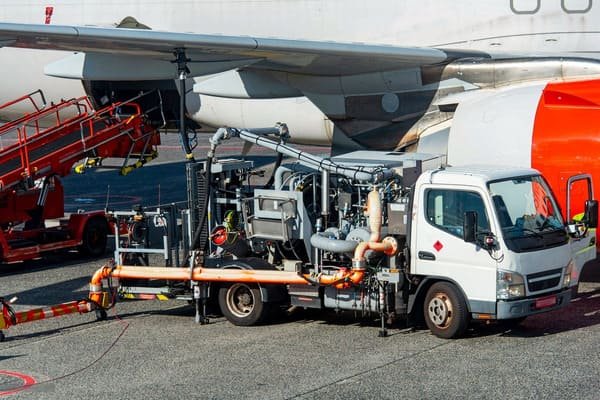
Special cargo includes items that need special handling due to their nature, size, or risk.2 This covers dangerous goods (chemicals, batteries), oversized project cargo, temperature-sensitive items like refrigerated (RF) cargo, and high-value goods. Each type has unique shipping and customs requirements.
Over my 20 years in logistics, I've seen everything from giant wind turbine blades to sensitive chemical reagents. The first step is always to know exactly what you're dealing with, because customs officials make no exceptions for mistakes. We categorize special cargo to manage its specific risks and requirements properly.
Key Categories of Special Cargo
- Dangerous Goods (DG): These are items that can pose a risk to health, safety, or property.3 They are sorted into nine classes, and the rules for each are very different. For instance, flammable liquids (Class 3) and corrosives (Class 8) have completely separate packing and handling protocols.
- Out-of-Gauge (OOG) Cargo: This is anything that doesn't fit into a standard shipping container. Think of large machinery, factory components, or vehicles. These shipments often need special equipment like flat rack (FR) or open-top (OT) containers4.
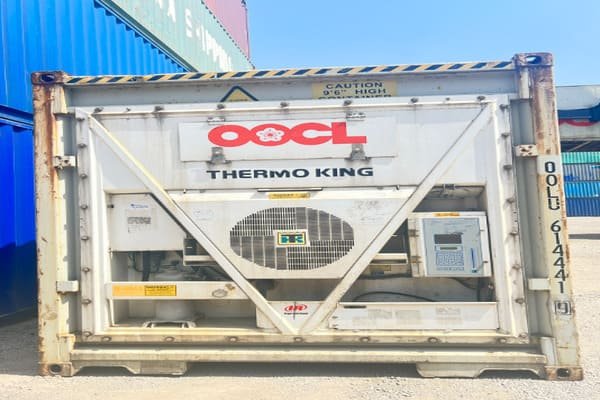
- Temperature-Controlled Cargo: This includes goods like pharmaceuticals, fresh produce, or certain chemicals that must stay within a precise temperature range inside a reefer (RF) container.5
Here is a simple table to help you understand:
| Cargo Type | Examples | Key Challenge |
|---|---|---|
| Dangerous Goods | Chemicals, Lithium Batteries, Aerosols | Strict regulations, specific packaging |
| Oversized/OOG | Machinery, Vehicles, Factory Parts | Special equipment, route planning |
| Reefer (RF) Cargo | Food, Pharmaceuticals, Flowers | Maintaining constant temperature |
What mandatory documents are required for special cargo clearance?
Missing one document can halt your entire shipment. The paperwork for special cargo is complex and unforgiving. We help you get every single document right the first time.
For special cargo clearance, you need standard documents like the Bill of Lading and Commercial Invoice6, plus specific ones. These often include the Material Safety Data Sheet (MSDS) for chemicals, a Dangerous Goods (DG) Declaration, and special permits or licenses depending on the cargo and country.
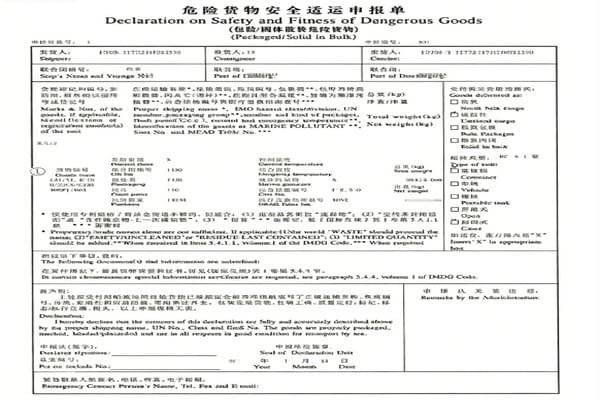
I once helped a client in Germany who was shipping industrial solvents. His previous agent forgot the DG Declaration, and the container sat at the port for two weeks, costing him thousands in fees and lost sales. This shows how critical flawless paperwork is. It’s the foundation of a smooth clearance process.
Core Documents for All Shipments
First, you always need the basics. This includes the Commercial Invoice (what the goods are and their value), Packing List (details of the contents), and Bill of Lading (the contract of carriage).78 These documents establish the what, how much, and who of the shipment.
Special Cargo-Specific Paperwork
This is where it gets more complicated and where most errors occur.
- Material Safety Data Sheet (MSDS): For any chemical or potentially hazardous item, the MSDS is non-negotiable.9 It provides detailed information on the product's properties, health risks, and safe handling procedures. Customs uses this to verify the nature of your goods.
- Dangerous Goods (DG) Declaration: This is a formal document, completed by the shipper, declaring that the cargo has been packed, labeled, and marked according to international DG regulations. It's a promise of compliance.
- Permits and Certificates: Some goods require extra approval. For example, oversized cargo might need a road transport permit, while certain chemicals might need an import license from the destination country's government. Getting these can take weeks, so planning ahead is absolutely essential.
What is the full step-by-step clearance procedure?
The customs process can feel like a black box. Delays happen, and you often don't know why. We bring clarity to each step, so you are always in control.
The clearance procedure begins with submitting a declaration and all required documents to customs before the cargo arrives. Customs then assesses the documents, calculates duties and taxes, and may select the shipment for a physical inspection. Once cleared, you can arrange for final delivery.

Let's walk through the exact journey your special cargo takes at the customs checkpoint. It’s a very structured process, and knowing the steps helps you manage your timelines and expectations. It's not magic; it's a sequence of logical checks.
The 4 Key Stages of Clearance
- Pre-Arrival Declaration: Long before the vessel docks, our team submits all your documents electronically to the customs authority in the destination country.10 For special cargo, we do this extra early to give officials ample time to review the complex paperwork and ask any questions.
- Customs Review & Risk Assessment: Customs officials and their computer systems review the declaration. The system flags shipments for inspection based on risk factors like cargo type, origin country, and the shipper's history.11 Special cargo almost always gets a higher risk score, meaning it is more likely to be checked.
- Inspection (If Required): If your cargo is selected, it will undergo inspection. This could be a simple document check, an X-ray scan, or a full physical examination where they open the container. For DG cargo, this is always done in a designated safe area by trained personnel.
- Duty Payment & Release: Once customs is satisfied that everything is compliant, they issue a bill for any applicable duties and taxes.12 After we arrange for this payment, they grant final release. The cargo is then officially cleared and free to be picked up from the port for its final journey.
How can forwarders help avoid common clearance risks?
Facing customs alone is a huge gamble. One wrong move can lead to seized goods and massive fines. An expert forwarder is your best insurance against these risks.
A good forwarder helps by ensuring 100% accurate paperwork, correctly classifying your cargo, and communicating proactively with customs. Their experience and relationships allow them to anticipate potential issues, manage inspections efficiently, and resolve problems quickly, saving you time and money.

Think of us not just as a service provider, but as an extension of your own team. Our main job is to take the risk and complexity of logistics off your shoulders so you can focus on growing your business. We act as your shield and your guide.
Proactive Document Auditing
Before we even think about submitting anything to customs, our compliance team performs a thorough audit of every document. We cross-check the details on the MSDS against the DG Declaration and the Commercial Invoice to ensure they are perfectly consistent. This simple quality check prevents over 90% of customs queries before they even happen.
Expert Classification and Communication
Is your product a Class 4.1 Flammable Solid or a Class 4.2 Spontaneously Combustible substance? A small difference in classification means entirely different packing, labeling, and handling rules. Our specialists live and breathe these regulations to ensure your cargo is always compliant. We then communicate this clearly to customs to build trust and facilitate a faster review.
On-the-Ground Support
When an inspection is called, having a local representative who speaks the language and understands the process is invaluable. We manage the inspection directly with customs officials, making sure it's handled professionally and without unnecessary delays. This is how we often turn a potential two-week hold-up into a 48-hour process.
Conclusion
Special cargo clearance is complex, but with proper preparation and expert support, it becomes a manageable process. We handle the details so you can focus on your business.
Informed Compliance Publication — official guidance on customs entry procedures and avoiding penalties — *U.S. Customs and Border Protection (CBP)*: https://www.cbp.gov/sites/default/files/documents/icp069_3.pdf ↩
SafeCargo — official resource on the safe transport of hazardous and special cargo — *U.S. Federal Aviation Administration (FAA)*: https://www.faa.gov/hazmat/safecargo ↩
Dangerous goods — solids, liquids, or gases that can harm people, property, or the environment during transport — *Wikipedia*: https://en.wikipedia.org/wiki/Dangerous_goods ↩
Out of Gauge Container — guide to flat rack and open-top equipment for oversized cargo — *Container xChange*: https://www.container-xchange.com/blog/out-of-gauge-container ↩
Refrigerated container (reefer) — an intermodal container used to transport temperature-sensitive cargo — *Wikipedia*: https://en.wikipedia.org/wiki/Refrigerated_container ↩
Common Export Documents — official list of standard documents required for international shipments — *International Trade Administration (ITA), U.S. Department of Commerce*: https://www.trade.gov/common-export-documents ↩
Commercial invoice — a document stating the goods sold and their value, used for customs valuation — *Wikipedia*: https://en.wikipedia.org/wiki/Commercial_invoice ↩
Bill of lading — a legal document issued by a carrier acknowledging receipt of cargo for shipment — *Wikipedia*: https://en.wikipedia.org/wiki/Bill_of_lading ↩
Safety data sheet (SDS/MSDS) — a document listing a chemical's properties, hazards, and safe handling procedures — *Wikipedia*: https://en.wikipedia.org/wiki/Safety_data_sheet ↩
Customs — the authority responsible for controlling the flow of goods and collecting duties at borders — *Wikipedia*: https://en.wikipedia.org/wiki/Customs ↩
Customs Risk Management and Inspection Selection — analysis of risk-based cargo inspection systems — *International Monetary Fund (IMF) eLibrary*: https://www.elibrary.imf.org/display/book/9798400200120/CH005.xml ↩
Tariff — a tax imposed by a government on imported or exported goods — *Wikipedia*: https://en.wikipedia.org/wiki/Tariff ↩