
Our Blog
Expert perspectives on international freight, supply chain solutions, and global trade trends.
How to Ship Your Car from China to Africa & the Middle East?
Shipping a car overseas feels complicated and risky. A single mistake could lead to costly delays or damage. This guide breaks down the process into simple, manageable steps for you. To ship your car from China to Africa or the Middle East, you must first choose between RORO and container shipping. Next, prepare all necessary […]
Read Full Article

Common Shipping Scams and How to Avoid Them
Worried about losing money to shipping scams? These cons are getting smarter and can disrupt your entire supply chain. Learn their tricks and how to protect your business. To avoid shipping scams, always verify a forwarder's credentials, be skeptical of unusually low prices, and keep detailed communication records. Using secure payment methods and choosing an […]
Read Full Article
DDP, DDU, FOB, CIF – Which One? Let Your Logistics Partner Help You Avoid the Pitfalls.
Confused by shipping terms like DDP, DDU, FOB, and CIF? Choosing the wrong one can lead to surprise costs and major delays.1 Let's break them down simply for you. The best term depends on your control needs and risk tolerance. FOB gives buyers control, while CIF and DDP put sellers in charge. Your logistics partner […]
Read Full Article
Why Are More Shipments Getting 9H Holds by U.S. Customs in 2026?
Your shipment is stuck, and every day costs you money. You need to understand why this is happening and how to stop it before your next container leaves the port. A 9H hold from U.S. Customs is not about your cargo; it’s about you, the importer. It is triggered when Customs has doubts about the […]
Read Full Article
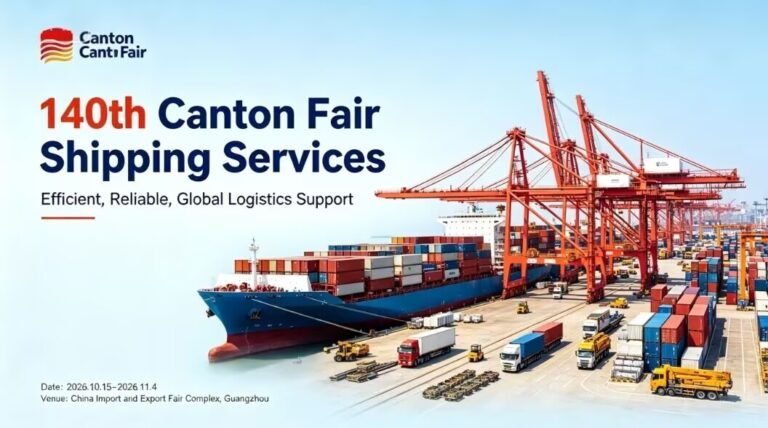
The 140th Canton Fair (Autumn 2026): Your Ultimate Logistics Guide for the 70th Anniversary
Attending the huge 70th anniversary Canton Fair1 is exciting. But logistics can be a nightmare, risking your samples and sales. A solid logistics plan is your key to success. For the 140th Canton Fair2, your best logistics strategy is to partner with an experienced provider. They can handle sample shipping, booth setup delivery, and post-fair […]
Read Full Article
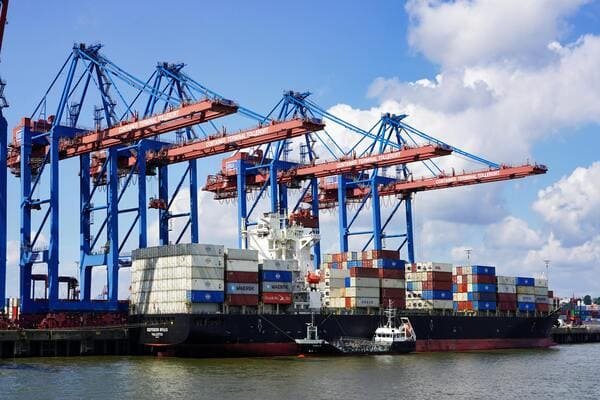
What Are Hidden Dangerous Goods in International Transportation?
Shipping what you think is a normal product, only to have it stopped by customs? This can cause frustrating delays and unexpected fines, disrupting your entire supply chain. Hidden dangerous goods are items that appear harmless but contain regulated hazardous materials.1 Think of the lithium battery inside a laptop or the flammable propellant in a […]
Read Full Article
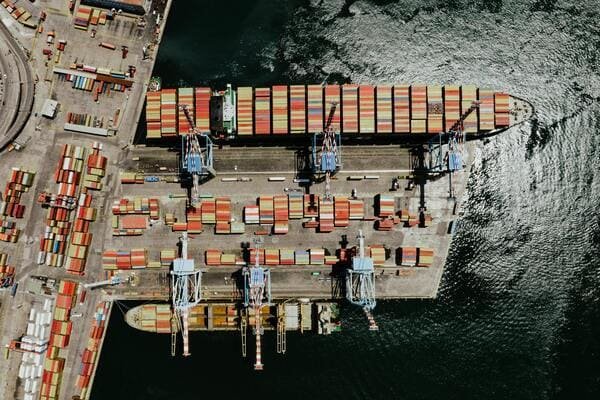
Who Bears the Abandoned Cargo Risk for FOB Exporters Under the New Maritime Code?
Abandoned cargo is a costly nightmare. You thought FOB terms1 protected you, but a new legal shift now puts your business directly at risk for huge, unexpected bills. Yes, under the new Maritime Code, FOB exporters now primarily bear the risk for abandoned cargo. The responsibility has shifted from the consignee to the shipper. If […]
Read Full Article
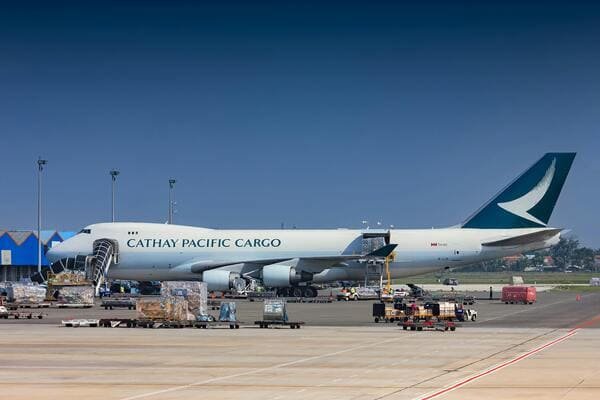
Five New Air DG Chemicals – Are You Still Compliant?
New air transport regulations are coming, and non-compliance can ground your shipments. Are you prepared for the changes affecting hazardous chemicals? We make sure you are always compliant. Effective May 2026, five chemicals—3-Chloropropyne, 2-Iodoxybenzoic acid, 2-Diazoacetoacetate p-nitrobenzyl ester, Methanesulfonyl azide, and 2-Nitro-3-methylbenzoic acid—face strict new air transport rules. Proper handling by a specialist is now […]
Read Full Article
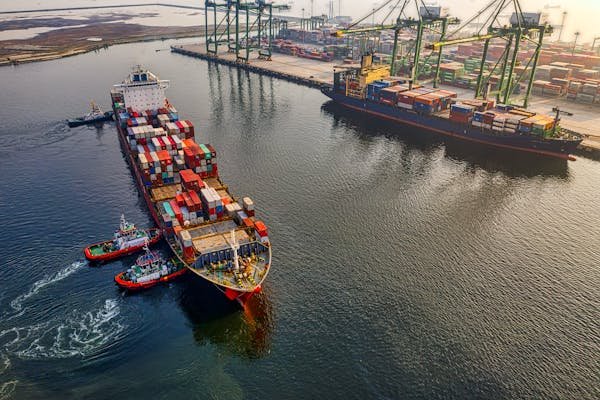
How to Ship Class 6.1 Toxic Chemicals Safely? Packaging & Stowage Guide
Shipping toxic substances is a high-stakes game. A small oversight can lead to health hazards, environmental damage, and massive fines. Are you truly prepared for what could go wrong? To ship Class 6.1 DG cargo safely, you must meticulously verify your packaging against the Safety Data Sheet (SDS), follow strict IMDG stowage rules, and have […]
Read Full Article