
Our Blog
Expert perspectives on international freight, supply chain solutions, and global trade trends.
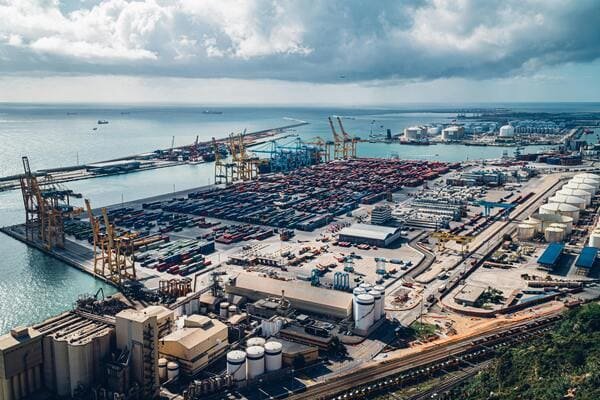
How Will the New US 301 Tiered Tariff in 2026 Affect Your Exports?
New tariffs are creating confusion and high costs for your business. This uncertainty can eat into your profits and disrupt your entire supply chain. Understanding the changes is the first step. The new US Section 301 tiered tariff, set to begin in July 2026, will apply duties of 10% or 12.5% to goods from a […]
Read Full Article
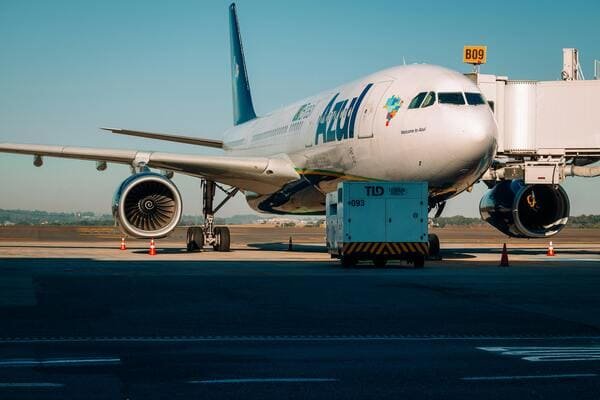
What Can Air Freight Really Handle? A Complete Guide for Large-Scale Shippers?
Shipping large or complex items by air feels risky. You worry about rejection, damage, or hidden costs. This guide clarifies what air freight can handle, ensuring your cargo flies safely. Air freight can handle a surprisingly wide range of cargo, including oversized machinery, dangerous goods, and high-value items, not just standard boxes. The key is […]
Read Full Article
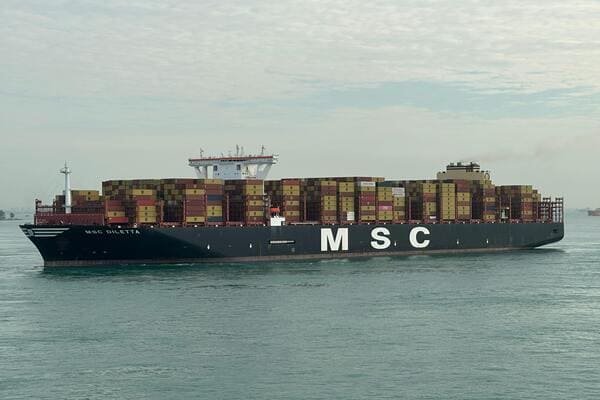
Activated Carbon & Charcoal New DG Rule 2026: No More N.4 Test Exemption?
Shipping carbon products is getting more complex. The rules are changing, and if you are not prepared, your cargo could face delays, fines, or even rejection by carriers. Yes, the N.4 test exemption for certain carbon products is being removed. The upcoming 2026 IMDG Code update (Amd 42-24) will require most activated carbon to undergo […]
Read Full Article
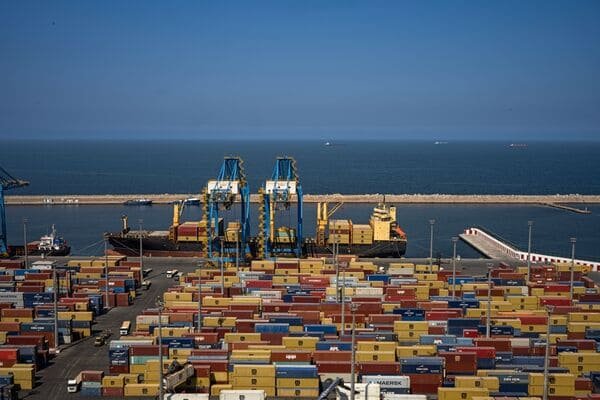
How Will the 2026 LQ Rules for UN3077 & UN3082 Affect Your Shipments?
Shipping marine pollutants is often complex and costly. New rules are coming in 2026. Understanding them now can unlock huge savings and simplify your entire logistics process. The 2026 IMDG Code update introduces new Limited Quantity (LQ) exemptions for UN3077 and UN3082.1 This means smaller shipments meeting specific packaging standards can be shipped as general […]
Read Full Article
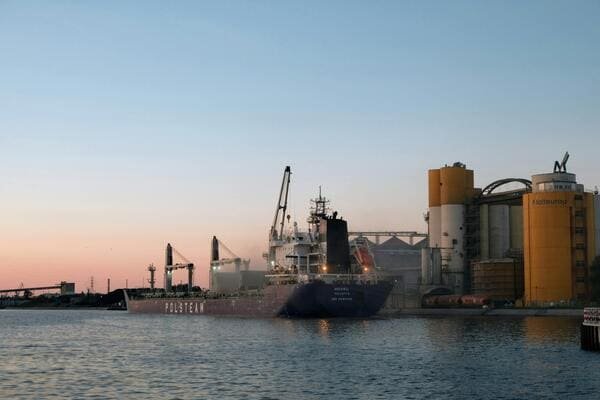
Are You Ready for Poland’s New Customs Rules in 2026?
Shipping to Poland is getting tricky. New customs rules are causing confusion. Understanding these changes is the only way to avoid costly delays and fines for your cargo. The EU's NCTS6 system has been delayed, so Poland now requires a dual declaration using both NCTS5 and the new ICS2 system1. This applies to all goods […]
Read Full Article
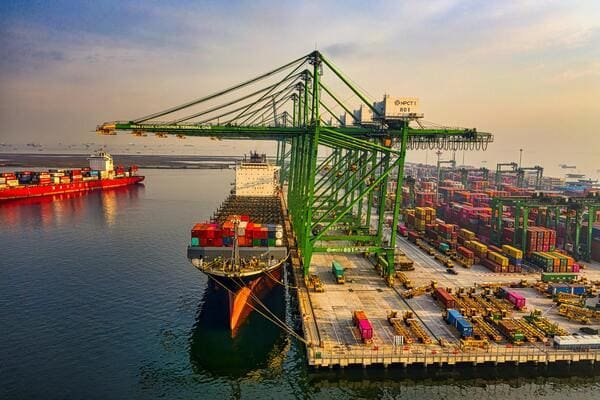
How to Seize Export Benefits amid US Tariff Adjustment on Chinese Goods?
US tariff changes are confusing. You could miss savings or face new costs. Let's break down how you can actually benefit from these new export opportunities. To benefit, first confirm if your products are among the 1200+ HS codes with tariff cuts, mostly light industry and household goods1. Then, partner with a reliable logistics provider […]
Read Full Article

How can you export batteries to the EU and comply with the new battery rules?
New EU battery rules are complex. Worried your battery shipments will be seized? Understanding compliance is your key to avoiding costly delays and securing your market access. To export batteries to the EU, you must comply with Regulation (EU) 2023/1542. This involves creating a digital battery passport, declaring carbon footprints, and meeting recycled content targets1. […]
Read Full Article
How Do You Ensure Tank Container Safety for Dangerous Goods?
Shipping dangerous goods feels like walking a tightrope. One wrong step can lead to disaster, costing you money and your reputation. But with the right procedures, you can ship safely. To ensure tank container safety for dangerous goods, you must follow strict procedures at every step1. This includes thorough pre-loading inspections, precise control over filling […]
Read Full Article
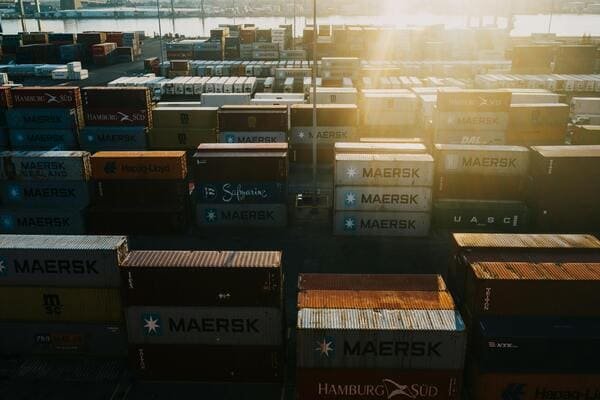
What Is the Complete Clearance Process for Special Cargo?
Shipping special cargo is risky. A small mistake in customs can cause huge delays and fines.1 We help you navigate this complex process for smooth delivery. The complete clearance process for special cargo involves correctly identifying your goods, preparing all mandatory documents like the MSDS and DG declaration, submitting them for customs review, undergoing potential […]
Read Full Article