
Our Blog
Expert perspectives on international freight, supply chain solutions, and global trade trends.
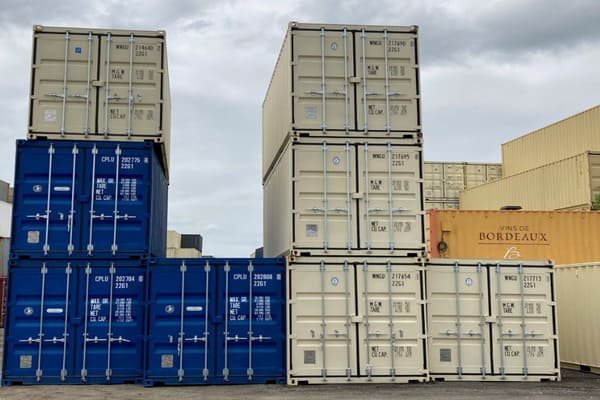
How to Prevent Container Condensation & Mold on Long Sea Routes (Red Sea Diversions Guide)?
Are your goods arriving damaged from moisture? Longer sea voyages, like the current Red Sea diversions, increase this risk, turning your profits into losses. You can stop this. The best way to prevent container condensation and mold is by using industrial-strength desiccants, ensuring your cargo and packaging are completely dry before loading, and selecting a […]
Read Full Article
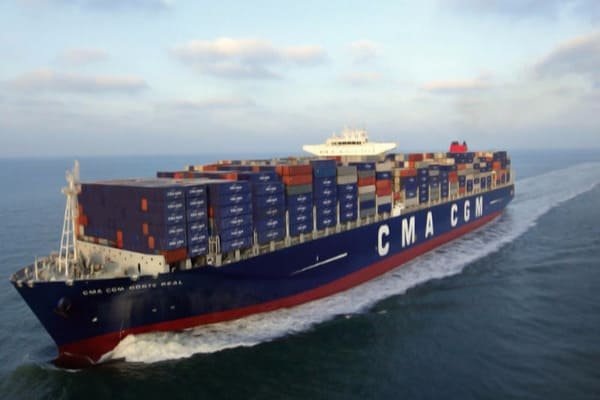
LFP vs NCM Energy Storage Cabinets: Which is Safer and Easier to Ship?
Shipping energy storage cabinets is risky. One small mistake in declaring the battery type can lead to huge fines, delays, and even dangerous accidents. Understanding the difference is crucial. LFP (Lithium Iron Phosphate) batteries are significantly safer and face fewer shipping restrictions than NCM (Nickel Cobalt Manganese) batteries.1 NCM's higher fire risk means it is […]
Read Full Article

Multimodal Transport Single Document 2026: Are Customs Procedures Really Removed?
Shipping goods across borders is complex. The new 2026 single document rule promises to simplify it, but it also creates new challenges you must understand. Yes, the 2026 Multimodal Transport Single Document system removes many customs and transit procedures.1 It eliminates repeated declarations at intermediate transit points, creating a single, streamlined customs process from origin […]
Read Full Article
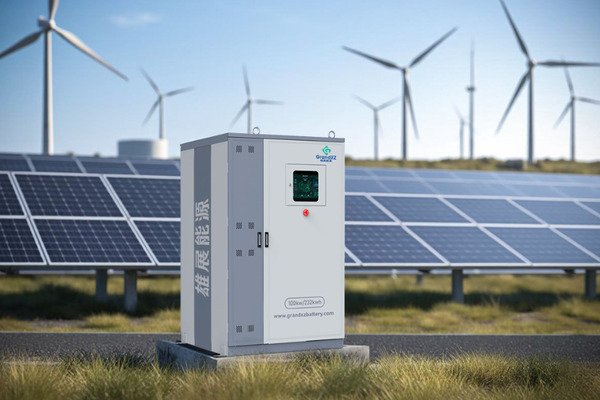
What Are the Standard Dimensions and Weights for Shipping Energy Storage Cabinets?
Shipping energy storage systems without knowing their exact size is a huge risk. This can lead to rejected shipments, customs fines, and costly delays for your entire project. The size and weight of an energy storage system directly determine its shipping method. Small residential units can often ship via economical LCL, while larger 1MWh and […]
Read Full Article

Green Packaging Rules 2026 (China+EU): 5 Must-Do Changes for Cross-Border Shipments
Are you ready for the 2026 packaging earthquake? New rules from China and the EU are coming, and non-compliance will get your shipments blocked and your business fined. To comply with the 2026 green packaging rules in China and the EU, you must make five key changes. These include right-sizing boxes, banning toxic materials like […]
Read Full Article
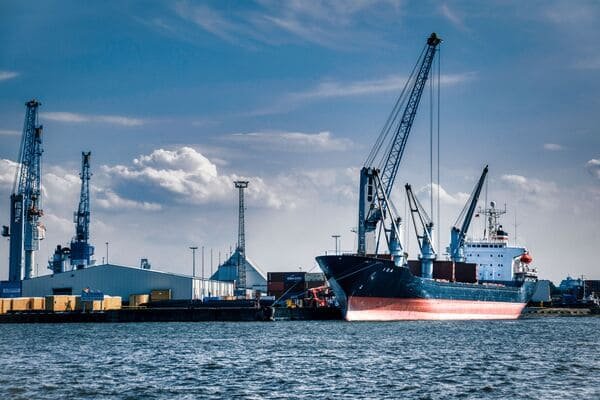
How Is EU ETS Shipping Cost Calculated? FCL vs LCL Allocation Explained?
Are your shipping invoices suddenly higher? A new charge, the EU ETS, is likely the cause, making your logistics budget feel unpredictable. Understanding it is key to managing costs. The EU Emissions Trading System (ETS) is a carbon tax for shipping.1 For FCL, it's a clearer per-container fee; for LCL, costs can be more complex […]
Read Full Article
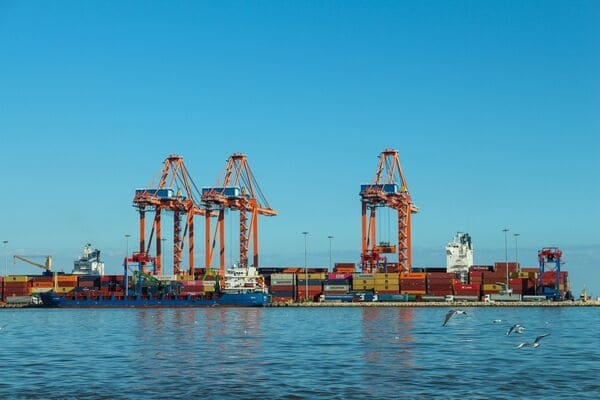
Indonesia Export Reporting 2026: How to Avoid Shipping Delays for Coal and Palm Oil Cargo?
The new 2026 export rules in Indonesia are coming.1 These changes could cause major shipping delays, especially for coal and palm oil, disrupting your supply chain and costing you money. The best way to avoid delays under Indonesia's 2026 rules is to complete the new mandatory reporting before your shipment. This means getting a Surveyor […]
Read Full Article
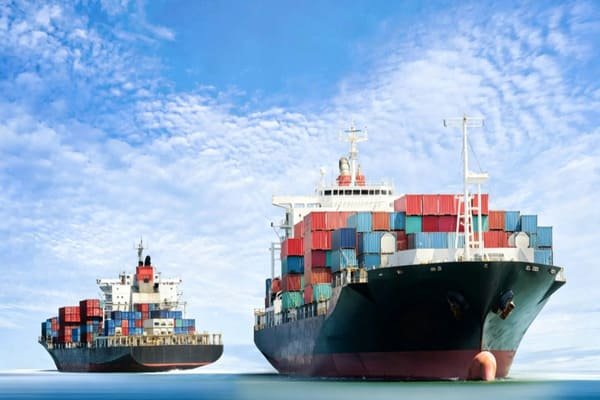
US F865 Auto Screening (2026): 3 Filing Mistakes That Cause Immediate Rejection
Is Your Cargo Ready for US F865 Auto Screening in 2026? Worried about the new US F865 auto screening? A tiny filing error can halt your shipment, costing you time and money. Here's how to avoid immediate rejection. The top three filing mistakes causing immediate F865 rejection are mismatched data, wrong HTS codes, and late […]
Read Full Article
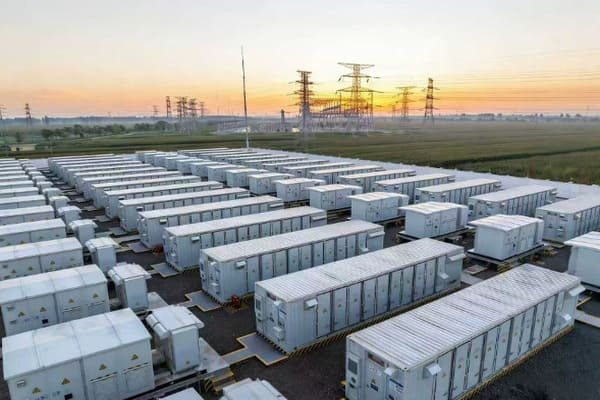
What Is an Energy Storage Cabinet? Complete Breakdown of Residential, Commercial & Container-Scale BESS?
Confused about different energy storage cabinets? Choosing the wrong type can be a costly mistake in both purchase and shipping. This guide breaks them all down for you. An energy storage cabinet, often called a Battery Energy Storage System (BESS), is a self-contained unit that stores electricity for later use1. It includes batteries, a management […]
Read Full Article