
Our Blog
Expert perspectives on international freight, supply chain solutions, and global trade trends.
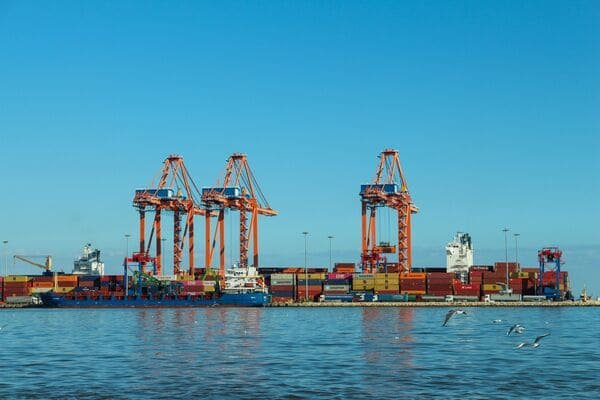
How to Ship Electronics from China to Malaysia Safely and Fast?
Shipping valuable electronics can be stressful. Delays and damage can destroy your profits. The whole process feels risky, but it doesn't have to be if you have a solid plan. To ship electronics from China to Malaysia safely and fast, you must choose the right port in South China, use specific protective packaging, and work […]
Read Full Article
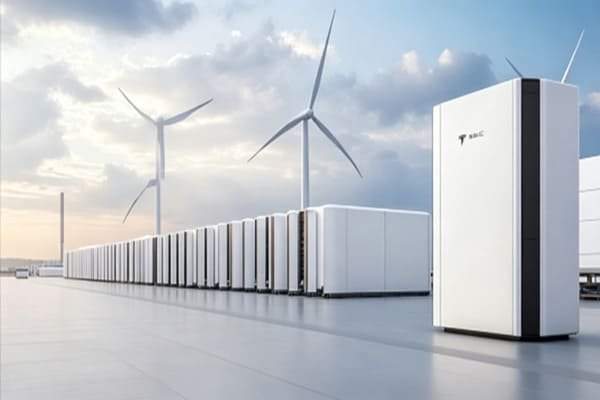
How Do You Classify General Cargo vs Class 9 DG Energy Storage Cabinets
Struggling to classify your energy storage cabinets for shipping? Misclassification leads to customs rejection and huge fines, disrupting your entire supply chain. Let's clarify the official rules now. The classification of an energy storage cabinet depends entirely on whether lithium battery modules are installed inside. If it contains batteries, it is a Class 9 Dangerous […]
Read Full Article

Can Solar Panels with Lithium Batteries Ship via LCL? Simplified Declaration Rules Explained?
Worried about shipping solar panels with batteries via LCL? A small mistake in declaration can cause major delays. But with the right rules, your shipment can sail through smoothly. Yes, you can ship solar panels with lithium batteries via LCL1. They must meet simplified declaration rules under UN34812. This includes watt-hour limits3, correct packaging, and […]
Read Full Article
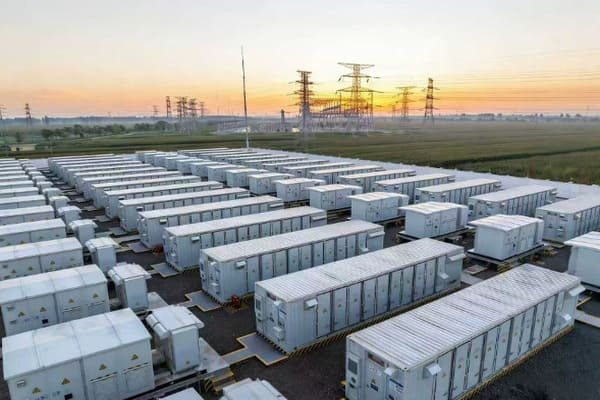
Why Do Energy Storage Cabinets Count As Special DG Cargo?
Shipping energy storage products is complex. A simple mistake in declaring your cargo can lead to port hold-ups, fines, and angry buyers. It's time to get clarity. Energy storage cabinets (BESS) are special dangerous goods due to their massive energy capacity and specific UN3536 classification1. Unlike loose batteries, they are considered a complete system, demanding […]
Read Full Article

Is It Safe to Ship Electronics to Vietnam by Road Freight?
Worried about your valuable electronics getting damaged or lost on the way to Vietnam? Road freight can feel risky, but it offers a surprisingly secure and flexible shipping solution. Yes, shipping electronics to Vietnam by road is safe, provided you work with an experienced logistics partner. Success depends on understanding the specific risks, using professional […]
Read Full Article

How Do Tariff Changes Affect DDP Shipping Costs in the USA?
Are you worried that sudden tariff changes will blow up your shipping budget? These unexpected government policies can cause chaos for your profits, making it hard to price your products. Delivered Duty Paid (DDP) shipping costs are directly affected by tariff changes because the seller is responsible for paying all import duties.1 If the U.S. […]
Read Full Article
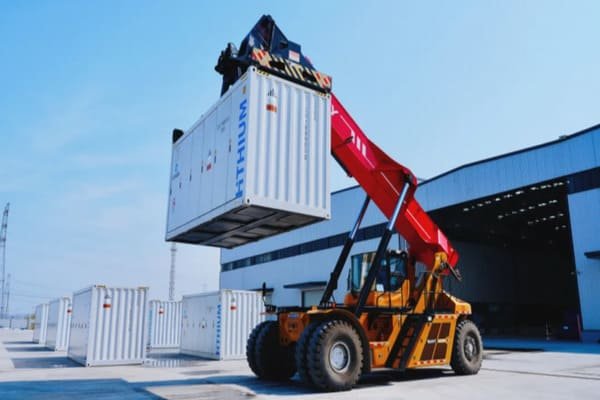
Can Built-In Fire Systems Replace Transit Protection for Energy Storage Cabinets?
Shipping energy storage cabinets feels complex. Relying on their built-in fire systems seems logical, but this common mistake leads to rejected shipments and huge safety risks during transit. No, they cannot. A cabinet's built-in fire system is a reactive measure for thermal runaway1. Proper transit protection, including packaging, lashing, and SOC control, is a proactive […]
Read Full Article

How to Reduce Shipping Costs to Vietnam in 2026: 3 Proven Ways That Actually Work?
Shipping costs to Vietnam are eating into your profits. This makes your business less competitive. But you can cut these expenses by understanding a few key strategies. To reduce shipping costs to Vietnam, you must optimize your packaging to lower dimensional weight, choose the right shipping mode like FCL or LCL, and partner with an […]
Read Full Article
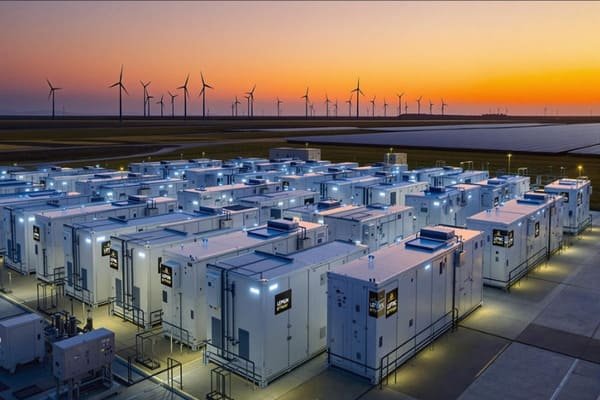
What Triggers ESS Thermal Runaway? Shipping Dangers of Vibration, Heat And Physical Squeeze?
Shipping high-value Energy Storage Systems (ESS) is full of risk. A simple mistake in packaging or loading can lead to a fire, destroying your cargo and causing massive losses. Thermal runaway in Energy Storage Systems during shipping is mainly caused by physical squeezing, constant vibration, and excessive heat.1 These factors, often from improper loading, poor […]
Read Full Article