
Our Blog
Expert perspectives on international freight, supply chain solutions, and global trade trends.

What Are Class 6.1 Toxic Substances? Classification, LD50 & Export Documents
Shipping Class 6.1 toxic substances feels complicated. A small paperwork mistake can cause customs delays, huge fees, or returned shipments, creating a massive headache for your business. To ship Class 6.1 toxic substances, you must first classify them by their specific hazard level and packing group. The most critical document is a complete and accurate […]
Read Full Article
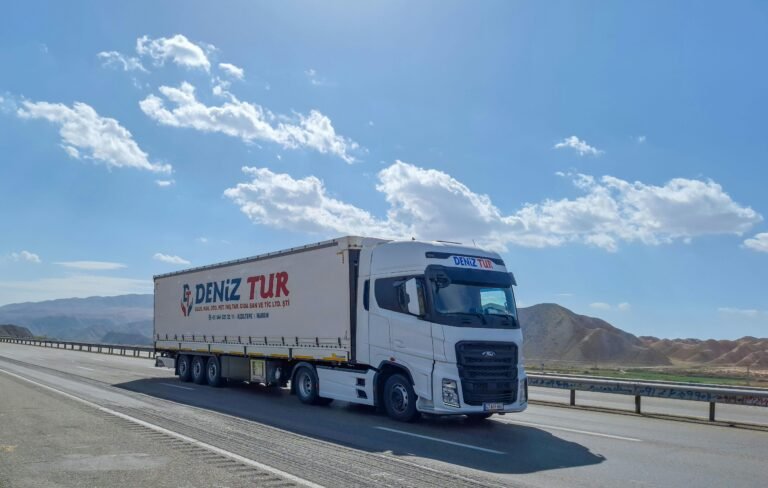
What Is the Difference Between TIR and Regular Truck for Dangerous Goods?
Shipping dangerous goods is stressful. Delays at the border can kill your profits. You need a solution that is fast, safe, and reliable every single time. TIR trucks offer a huge advantage for dangerous goods (DG). They use a sealed system and a single customs document (TIR Carnet)1, speeding through borders with fewer inspections. Ordinary […]
Read Full Article

DDP vs DDU: Who Pays Duty, Tax and Customs Fee?
Are you confused by international shipping terms? This confusion can lead to unexpected costs and delays, hurting your bottom line and stalling your inventory. Understanding the difference is your first step. DDP (Delivered Duty Paid) means the seller handles all costs and risks, including import duties, until the goods reach your door.1 DDU (Delivered Duty […]
Read Full Article
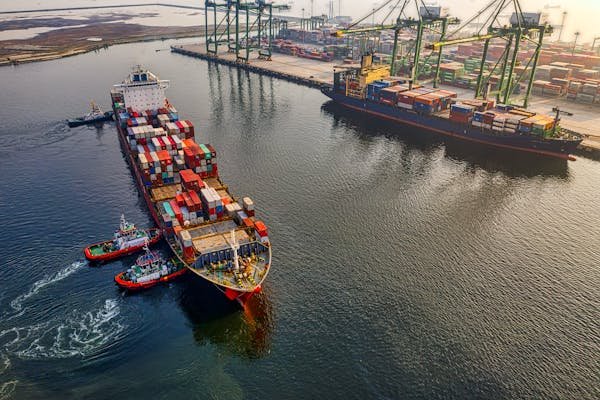
How to Ship Construction Machinery Overseas: A Step-by-Step Guide
Shipping massive construction machinery across oceans feels like a huge challenge. One mistake can cause costly delays or damage, turning a smooth project into a logistical nightmare. This guide simplifies it. To ship construction machinery overseas, you must prepare the equipment thoroughly by cleaning and measuring it, choose the right shipping method like Ro-Ro or […]
Read Full Article

How to Prevent Battery Truck Explosion—Static Electricity Risk in DG Road Transport
A tiny spark can ignite your entire battery shipment. This hidden danger threatens lives, your business, and your reputation. But you can easily prevent these catastrophic accidents. Yes, static electricity is a major explosion risk for battery trucks1. It builds up from friction during transit and can ignite flammable vapors. Proper grounding, anti-static equipment, and […]
Read Full Article
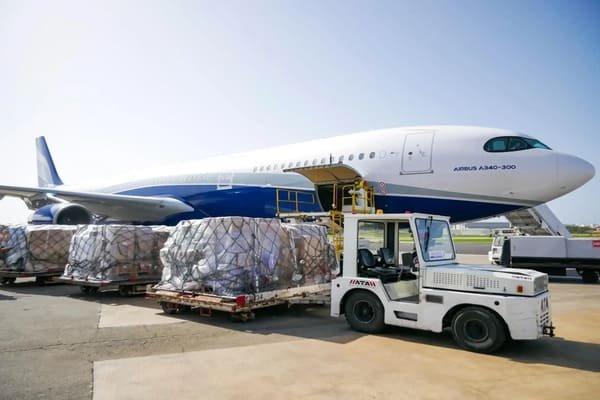
How to Arrange Class 3 Flammable Liquids Air Freight: Flash Point, LQ Packaging & Airport Security Rules
Shipping flammable liquids like paints or perfumes by air is complex and risky. A small mistake can lead to massive fines or delays, but understanding the core rules makes it manageable. To ship Class 3 flammable liquids1 by air, you must correctly identify the flash point to determine the Packing Group (I, II, or III)2. […]
Read Full Article
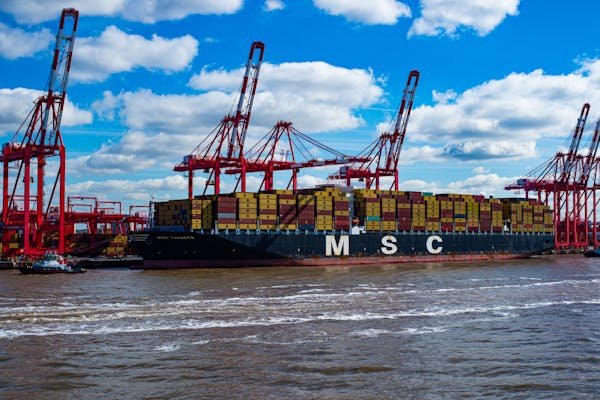
MSC New Line Maiden Voyage on May 10: Bypassing Hormuz via Red Sea + Land Bridge to Gulf
Your shipments to the Gulf are stuck in a high-risk zone. Unpredictable delays and soaring costs are hurting your business. MSC's new route offers a safer, more stable alternative. This new service, which launched May 10, uses a sea-land-sea model. Cargo travels by sea to Saudi Arabia's King Abdullah Port, crosses the country by land, […]
Read Full Article
Is Your IBC Still Legal for EU Marine Transport?
Are you shipping to Europe using IBCs? You might face costly delays and rejections at the port. New regulations are now in effect, and your containers might not be compliant. To ship to the EU by sea, your Intermediate Bulk Containers (IBCs) must meet the latest standards set by the IMDG Code.1 This involves updated […]
Read Full Article
Class 5 Dangerous Goods: Classification, Characteristics, and Transport Guidelines
Shipping reactive chemicals is a high-stakes game. A small mistake can cause a fire or explosion, and you need to get it right. Understanding Class 5 is your first defense. Class 5 dangerous goods are substances that can yield oxygen, which increases the fire risk of other materials. This class is split into Division 5.1 […]
Read Full Article